


Polybutylene Pipes in Arizona: How to Spot Them and What To Do Next
If your home was built in the late 1970s through the mid 1990s, there’s a chance you have polybutylene plumbing. Most homeowners do not know until a leak shows up, or a home inspection flags it, and suddenly the sale feels shaky.
And if you have heard “polybutylene is bad,” you are probably wondering what that really means for you.
- Is it guaranteed to fail?
- Should you replace it now, or wait?
- What are your options if you want a long-term fix?
This guide walks you through how to identify polybutylene pipes, why they have a reputation for failure, the warning signs to watch for, and what a smart next step looks like in an Arizona home.
What are Polybutylene Pipes?
Polybutylene, often shortened to PB, is a type of plastic piping used for residential water supply lines. It became popular because it was cheaper than copper and faster to install.
The problem is not that plastic pipe is automatically bad. Modern PEX, for example, performs very well when installed correctly. The problem is that polybutylene, especially with certain fitting types, has a known history of premature failures.
In simple terms, PB systems can look fine for years, then start leaking without much warning. That unpredictability is why many buyers, insurers, and inspectors treat polybutylene as a red flag.
How to Tell if You Have Polybutylene Pipes
You do not need to tear open walls to get a first answer. In many homes, you can confirm PB by checking exposed plumbing in a few common spots.
Check these locations first
Look at exposed supply lines in places like:
- Near the water heater
- Under bathroom sinks
- Under the kitchen sink
- At the main shutoff valve
- In the garage where lines enter the house
- In accessible ceiling voids or utility areas
If you are not sure what you are looking at, take a clear photo of the pipe and the fittings, and compare it to a trusted guide, or have a professional confirm it during an inspection.
What polybutylene typically looks like
Polybutylene is most often:
- Grey, sometimes black or blue
- Flexible, but not as “rubbery” as some modern plastics
- Marked with “PB” or “Polybutylene” along the pipe (not always visible)
The fittings matter as much as the pipe. Many PB systems used plastic fittings, and those connection points are a common failure area.
Polybutylene vs PEX, quick reality check
Homeowners often confuse PB with PEX because both can be flexible plastic piping. The differences are usually in:
- Colour and markings on the pipe
- Fitting type and connection method
- The era the house was built
If your home is older and you see grey plastic supply lines, it is worth confirming, because PB decisions tend to be time-sensitive.
Why Polybutylene Pipes Fail
This is the part homeowners want explained clearly, without scare tactics.
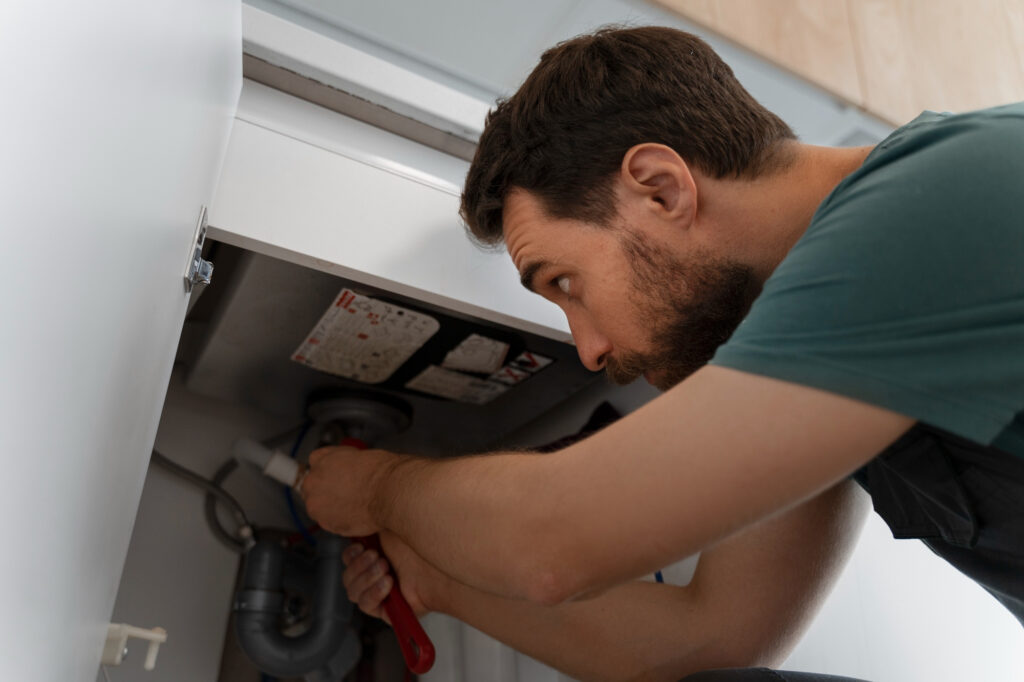
Polybutylene failures are often linked to a combination of:
- Material behaviour over time
- Chemical interactions with disinfectants used in municipal water supplies
- Weak connection points, especially with older fitting systems
You can have PB that lasts a long time, and you can have PB that starts leaking earlier than you would expect. That uncertainty is the issue.
The weak points are often the fittings
Many PB systems rely on fittings that can degrade, crack, or loosen over time. Even if the pipe itself looks okay, connection points can be the first to go.
This is why “we can just repair that one leak” often turns into “we are chasing leaks around the house” over the next year or two.
Arizona water conditions can add stress
Hard water does not “eat” polybutylene the way corrosion attacks metal, but water chemistry still matters. Mineral content, temperature swings, and pressure can all contribute to stress on older systems and fittings.
If you have ongoing issues with scale, pressure fluctuations, or ageing valves, it can make a marginal plumbing system feel worse faster.
Warning Signs Your Polybutylene System May Be at Risk
Some PB failures come out of nowhere, but many homes show hints that the system is under strain.
Frequent small leaks or “mystery drips”
If you fix a leak and another shows up elsewhere, pay attention. PB issues tend to spread.

You are not dealing with one isolated weak point.
Water stains, bubbling paint, or musty smells
These often show up before a homeowner realises there is a leak. Slow leaks behind walls can quietly cause damage long before the pipe gives you a dramatic sign.
Pressure problems that feel inconsistent
If one shower drops pressure when another tap turns on, or you get odd pressure surges, it may be a sign your plumbing system needs a broader look.
Your home is in the PB “hot zone” build era
If your home was built in that common PB window and you have never repiped, it is reasonable to treat it as a proactive planning issue, not a wait-and-see surprise.
Should You Replace Polybutylene Pipes Now, or Wait?
This depends on your goals, your risk tolerance, and what is happening in the house today.
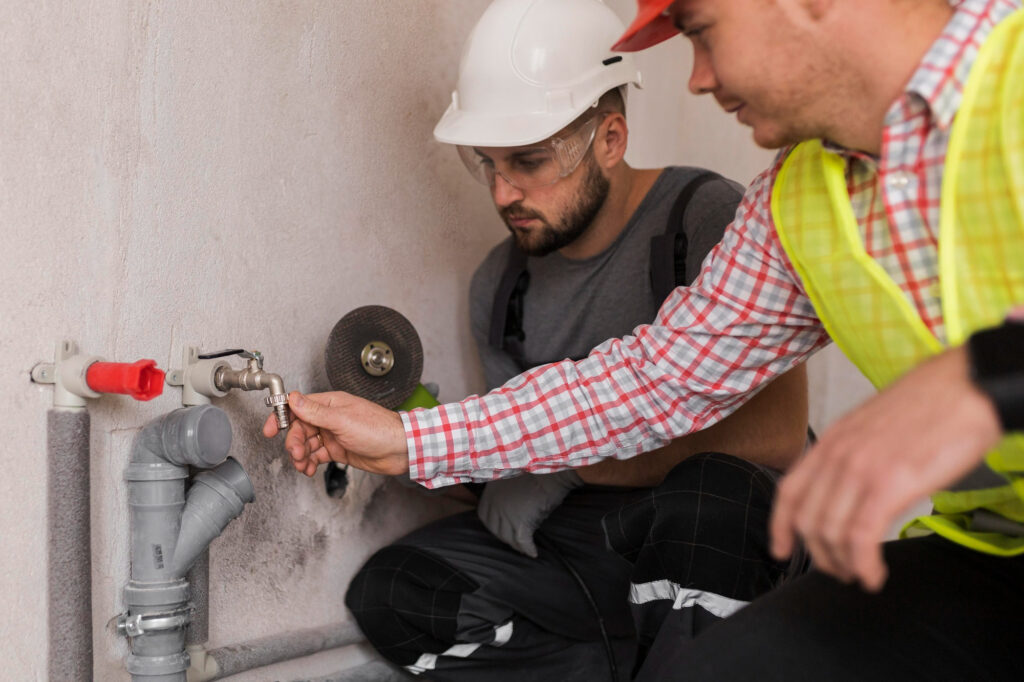
If your home has PB and you are seeing leaks, it is usually not the time to debate. A reactive approach can get expensive, fast.
If you are not seeing leaks, the decision is more about risk management:
- Do you want to reduce the chance of water damage?
- Do you plan to sell in the next few years?
- Do you want to avoid repeated repairs?
- Do you want a long-term plumbing upgrade you do not have to think about?
A proactive repipe can feel like a big upfront step, but it often prevents the cost and stress of unpredictable failures.
The “selling your home” reality
Polybutylene often complicates real estate transactions. Some buyers walk away. Some lenders and insurers have stricter requirements. Some inspections raise it as a negotiating point.

If you are planning to sell, replacing PB can reduce objections and keep the sale smoother.
Replacement Options for Polybutylene Pipes
Let’s keep this practical. There are usually three paths homeowners consider.
Option 1: Spot repairs
Spot repairs can work when a home has one isolated problem and the rest of the system is in good shape.
With polybutylene, the risk is that spot repairs do not reset the clock. You still have an ageing PB system. You may be buying time, not solving the underlying issue.
This option makes the most sense when:
- The home is temporary for you
- The leak is truly isolated
- You understand you may face future leaks
Option 2: Partial repipe
Partial repiping means replacing the highest-risk areas while leaving some PB in place.
It can be a middle ground, but it needs good planning. If the remaining PB is in hard-to-access areas, you can end up paying twice.
Option 3: Whole-home repipe with PEX
For many Arizona homeowners, a whole-home repipe is the cleanest long-term solution. It replaces the system rather than patching it.
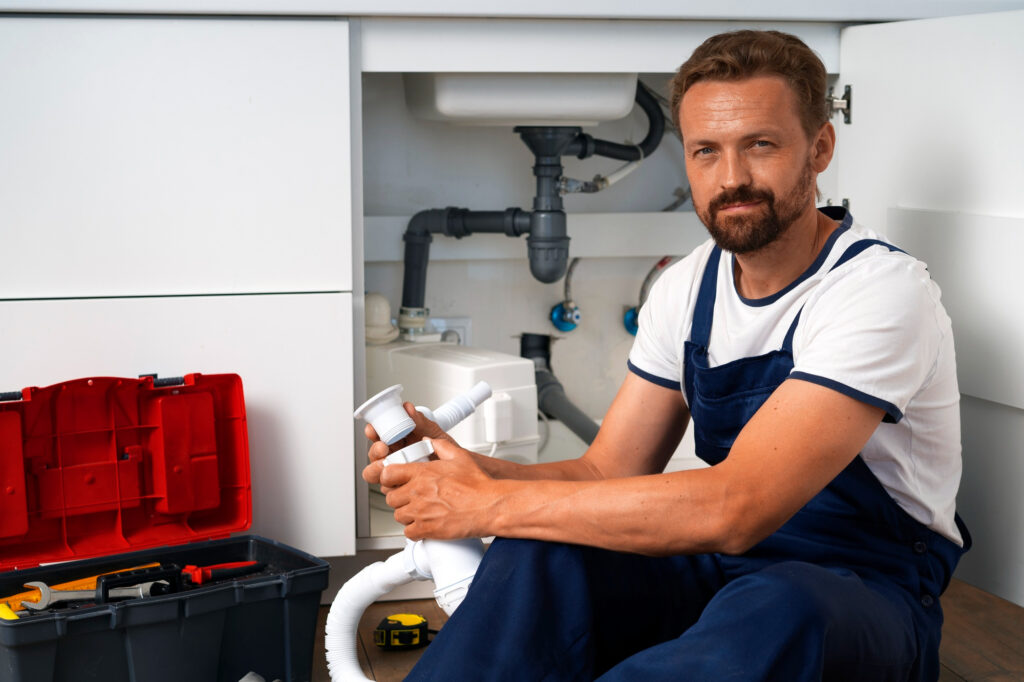
PEX is a common replacement choice because it:
- Resists corrosion
- Is flexible, which can reduce wall and ceiling cuts
- Handles normal household pressure and temperature well when installed correctly
If your priority is long-term reliability, this is often the option that delivers the most peace of mind.
What a Polybutylene Repipe Typically Involves
Homeowners worry about disruption. That is normal. The goal of a professional repipe is to make the process structured and predictable.
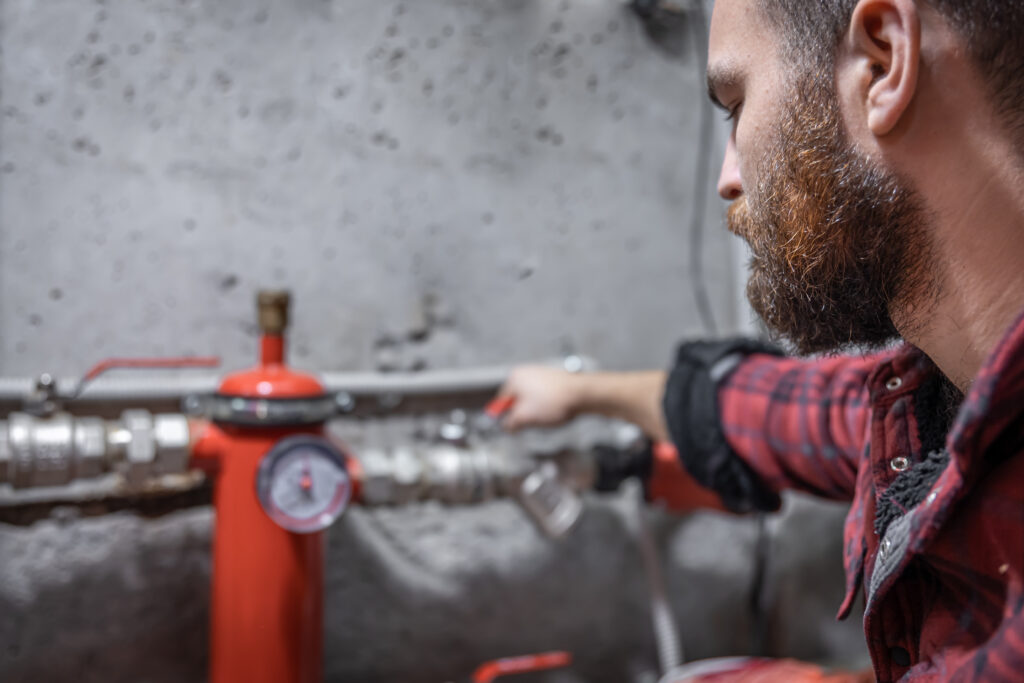
- Confirming pipe material and mapping the system
- Planning routes for new supply lines
- Protecting work areas and minimising openings where possible
- Reconnecting fixtures and appliances
- Testing for pressure and leaks
- Clean-up and walk-through
You should also expect a conversation about any related upgrades that make sense while access is available, such as updated shutoff valves or addressing unusually high water pressure.
How to Choose the Right Solution for Your Home
If you want an easy decision framework, ask yourself these questions.
How much risk are you willing to carry?
If you would struggle to deal with water damage or repeated repairs, you will usually prefer a full solution.
How long do you plan to stay in the home?
If you are staying long-term, investing in a whole-home repipe often makes more financial sense than repeated leak repairs.
What is the condition of the rest of your plumbing?
If your valves, fixtures, or pressure regulation are also ageing, a repipe can be the right moment to stabilise the whole system.
Are you already seeing leaks?
If yes, you are no longer planning. You are reacting. That usually means choosing the option that prevents the next leak, not just the current one.
Book a no-obligation repiping assessment with The Repipe Expert™ to confirm whether you have polybutylene piping and get a clear plan for replacement options that fit your home and budget.


 Hi! How can i help you?
Leave a Reply