


Phoenix Slab Leaks: Repair or Repipe—Which Fix Is Right for You?
A slab leak isn’t just a nuisance; it’s a warning that water is moving where it absolutely shouldn’t. Under a concrete slab, that water can undermine soil, damage flooring, and create long-term foundation issues if it’s left to spread.
When you find one, you really have two choices:
- Open the slab, repair the single failure, and hope the rest of the line holds.
- Step back, look at the age and condition of the whole system, and consider rerouting and repiping.
A repipe specialist helps you make that call with data, not guesswork.
What Is a Slab Leak in a Phoenix Home?
In slab-on-grade construction, many older homes were built with water supply lines running directly under the concrete slab.
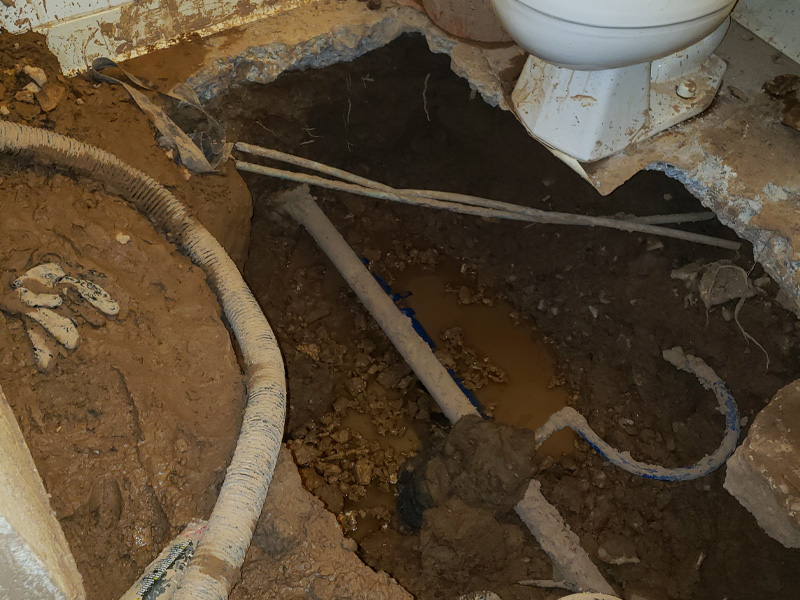
Over time, those lines can corrode, shift, or crack. When that happens, pressurized water starts escaping into the soil.
Why Slab Leaks Hit Phoenix Harder
Phoenix soil and climate don’t give slab leaks much mercy. High water pressure, hard water, and shifting soils all increase the stress on older lines. As water washes away fine particles under the slab, some areas may settle more than others. That movement can show up as cracked tile, sticky doors, or hairline fractures along walls.
Common Signs You Might Have a Slab Leak
Homeowners rarely see the actual leak. Instead, they live with the symptoms.
Subtle Clues That Point to Trouble
You may notice one or more of the following:
- A noticeable increase in your water bill without extra usage.
- The sound of water running when all fixtures are turned off.
- Warm spots on tile or concrete floors where a hot line has failed.
- Damp carpet or mystery “wet spots” that don’t trace back to a fixture.
- Cracks that start to appear or widen in flooring or walls.
Each of these clues on its own could have multiple causes, but together they strongly suggest a hidden leak somewhere under the slab.
When a Localized Slab Repair Makes Sense
There are cases where a targeted repair is a reasonable option.
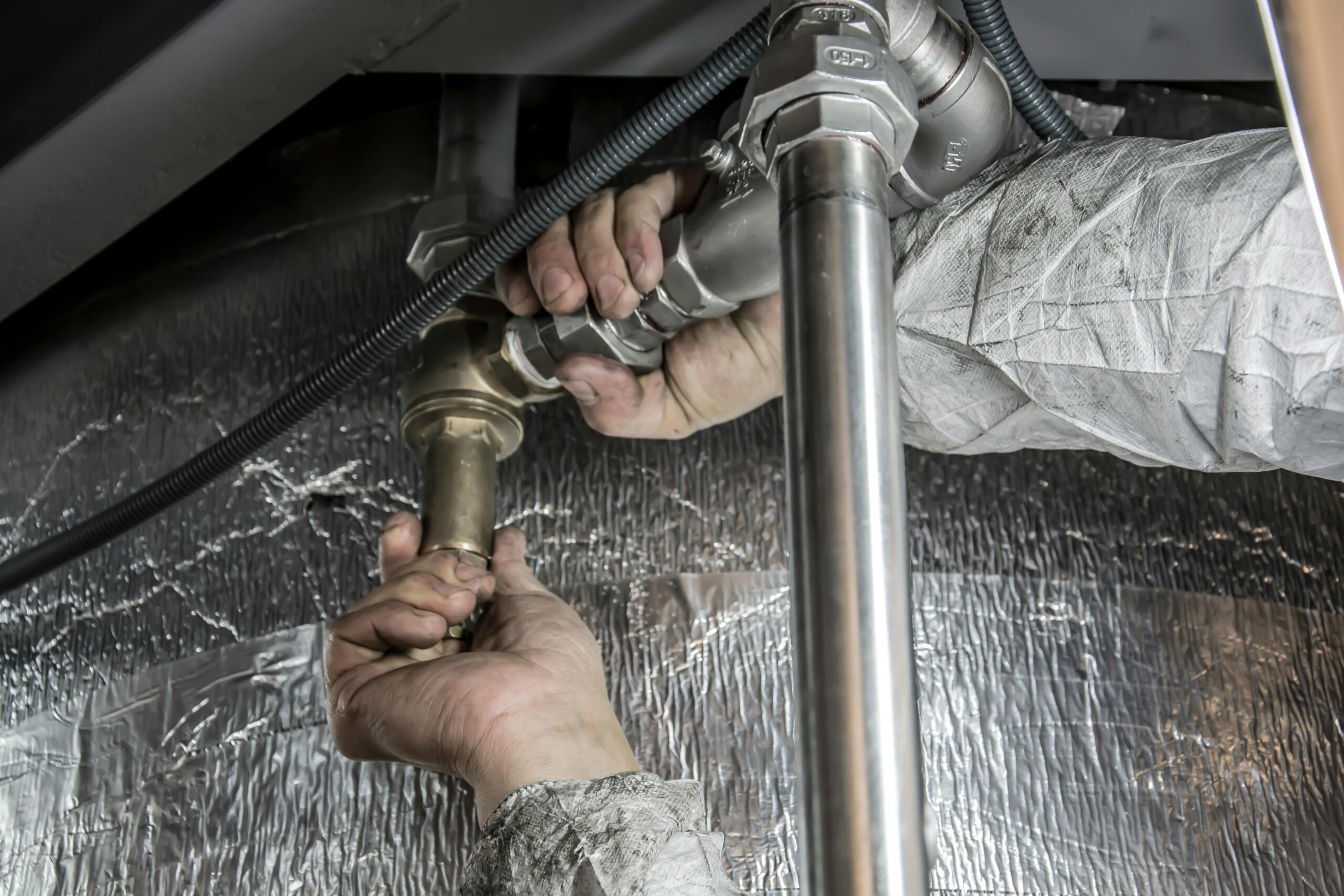
If your home is newer, your pipes are modern, and there’s no history of previous slab leaks, fixing a single breach may be the most efficient route.
What a Targeted Repair Looks Like
A repipe specialist will:
- Use leak detection tools to confirm the exact location.
- Carefully open the slab in that specific area.
- Replace the compromised section of pipe and make the repair accessible if possible.
- Backfill and restore the concrete and flooring.
This approach is most appropriate when the broader piping network is in good condition and there are no signs it’s failing in multiple places.
When a Slab Leak Is a Symptom of a Bigger Problem
In many older Phoenix homes, the first slab leak is more like the first warning light on your dashboard. It tells you something systemic is going on.
Patterns That Indicate Systemic Failure
A repipe becomes the smarter long-term solution when:
- Your home still has original, decades-old piping under the slab.
- You’ve already had one or more leaks repaired in different areas.
- Other symptoms—low pressure, discolored water, or frequent small leaks—are showing up elsewhere.
At this point, cutting the slab repeatedly to chase leaks starts to become more expensive and disruptive than installing a new, properly routed system.
How Repipe Specialists Reroute Lines Out of the Slab
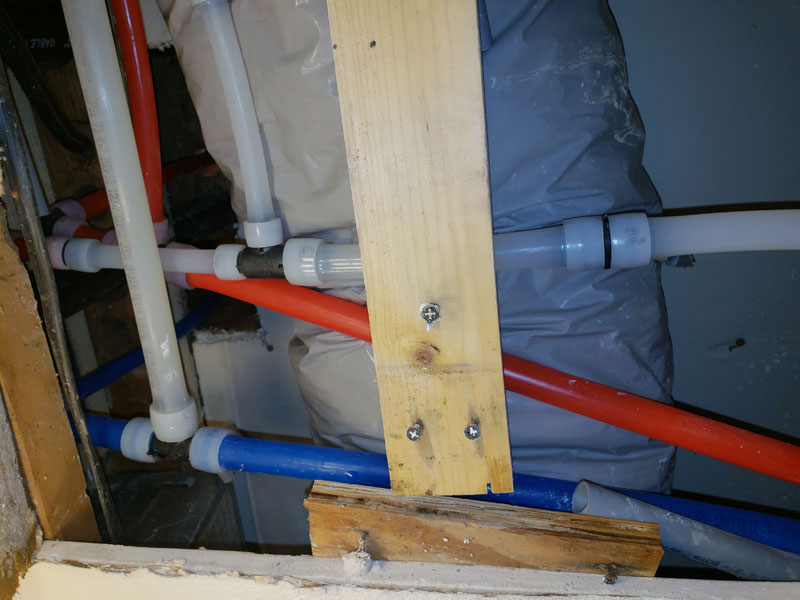
Instead of continuing to use compromised under-slab lines, a repipe specialist designs a new distribution system that lives in more accessible areas.
Designing an Above-Slab Supply Network
The new layout typically includes:
- Hot and cold lines routed through walls, ceilings, and mechanical spaces.
- Strategic access points in closets, behind fixtures, or in ceilings.
- Updated shutoff valves so individual areas or fixtures can be serviced without shutting down the entire home.
Once the system is installed and tested, the old lines under the slab are isolated so they no longer carry pressurized water.
Protecting Your Slab, Flooring, and Finishes
Rerouting doesn’t just protect your pipes; it protects everything that sits on and around the slab.
Long-Term Structural and Cosmetic Benefits
With water lines out of the slab:
- The risk of long-term soil erosion under key areas is reduced.
- Flooring and baseboards are less likely to be exposed to hidden moisture.
- You avoid the cycle of tearing up finished flooring every time a new leak appears.
The result is less structural stress and fewer repair projects down the road.
Cost Considerations: Repair Now vs. Repipe Once
On paper, a single repair almost always looks cheaper than a full repipe. The challenge is that plumbing systems don’t fail in a vacuum.
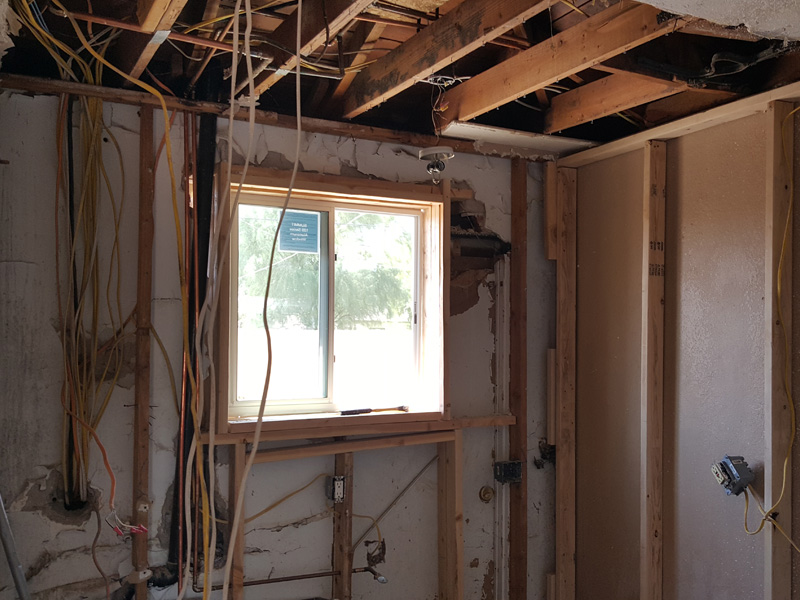
In aging systems, one leak often means others are forming nearby or in similar conditions.
Looking Beyond the First Invoice
A repipe specialist will help you compare:
- The cost of today’s repair plus the realistic risk of future leaks and slab work.
- The cost of a repipe that removes under-slab lines from the equation altogether.
When you factor in potential damage to flooring, baseboards, cabinetry, and even the slab itself, the numbers can shift quickly in favor of a one-time repipe.
How Arizona Integrity Plumbing Helps You Decide
When you call Arizona Integrity Plumbing about a possible slab leak, the first step is always diagnosis. The team confirms the leak, locates it, and then walks you through your options with clear pros and cons.
A Plan That Matches Your Home and Your Horizon
If you plan to stay in the home long-term, the recommendation may lean toward repipe and reroute. If you’re close to selling and the rest of the system is modern and healthy, a targeted repair may be the smarter play.

Either way, you get a recommendation grounded in the realities of your property, not a one-size-fits-all script.
Worried You Might Have a Slab Leak in Phoenix?
If you’re hearing water, seeing cracks, or watching bills climb with no obvious reason, it’s time to get answers before the damage spreads. Call 480-274-9662 or contact Arizona Integrity Plumbing online to schedule a slab leak evaluation. A repipe specialist will help you decide whether repair, reroute, or full repipe is the best strategy to protect your home.


 Hi! How can i help you?