


How Long Does PEX Repiping Last in Phoenix?
If you are considering repiping your home, you are probably asking one simple question: Will this actually last, or am I going to be dealing with plumbing problems again in ten years?
That’s fair. A whole home repipe is a big decision. You want a long-term fix, not a temporary patch that just leads to another round of leaks, water pressure issues, and surprise repairs.
The good news is that PEX repiping can last for decades when it is installed properly and protected from the things that shorten its lifespan. The not so good news is that Phoenix has a few local factors, like heat exposure and water chemistry, that can make the “it depends” part matter more than you would like.
In this guide, you’ll learn what a realistic PEX lifespan looks like in Phoenix, what can shorten it, and how to make sure your repipe is the last big plumbing project you need for a long time.
The Short Answer: How Long Does PEX Last?
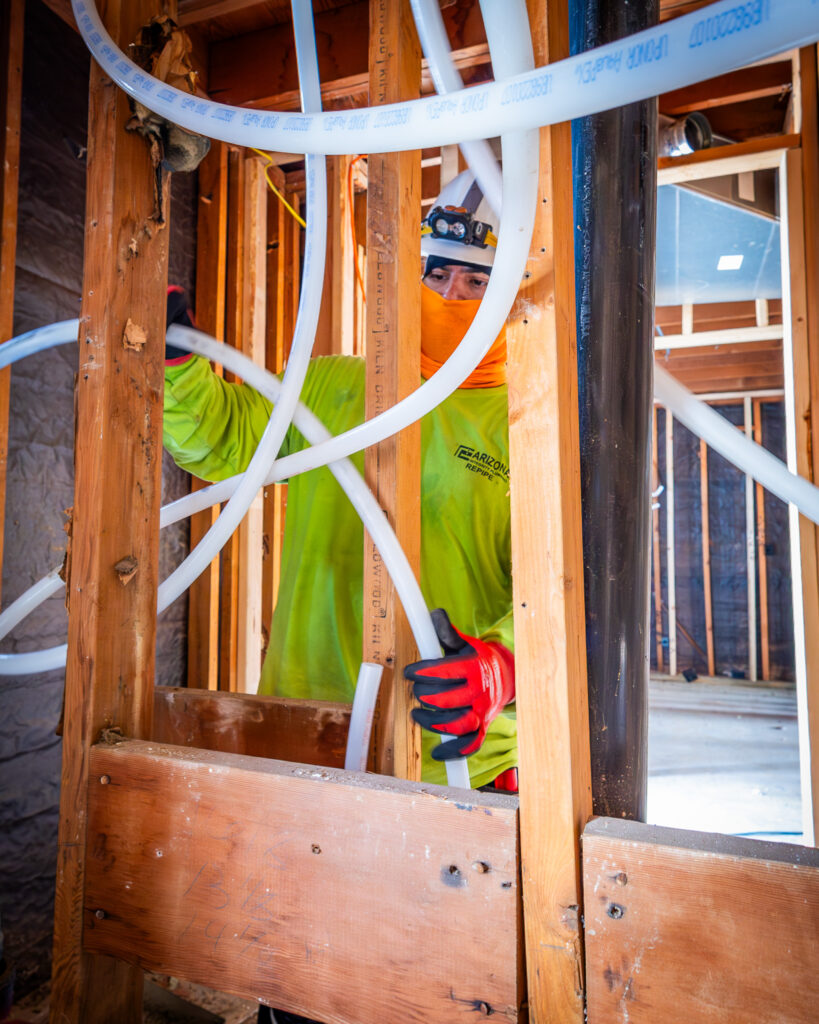
In most homes, PEX piping is expected to last 40 to 50 years, and often longer, depending on the type of PEX, water conditions, and quality of installation.
That range is not marketing fluff. It is a practical expectation based on how PEX is designed to handle pressure, temperature changes, and corrosion. Unlike galvanised steel or ageing copper, PEX does not rust, pit, or corrode from the inside out.
But here is the key point for Phoenix homeowners:
PEX longevity is heavily influenced by how it is installed and how it is protected from heat and sunlight.
If those are handled properly, PEX is one of the best long-term plumbing upgrades you can make.
What Affects PEX Lifespan in Phoenix?
Phoenix is not a typical environment. You have high ambient temperatures, hot attic spaces, and water that can be hard and mineral-heavy. None of that means PEX is a bad choice. It just means your installation needs to account for it.
1. UV exposure (sunlight) is a big deal
PEX does not like prolonged exposure to ultraviolet light. If PEX is stored outside in the sun before installation, or left exposed in areas where sunlight hits it, its lifespan can be reduced.
This is one of the most avoidable problems, and it is also one of the most common mistakes with rushed or careless work.
What to look for: PEX should be stored correctly, installed indoors, and never left exposed to sunlight where it shouldn’t be.
2. Heat exposure in attics and hot spaces
Phoenix attics can get extremely hot in summer. PEX is rated for hot water and normal indoor temperatures, but extreme environmental heat can still stress materials over time, especially if the pipe is not routed and insulated thoughtfully.
A quality repipe plan takes hot spaces seriously. That can include better routing choices, proper insulation where needed, and avoiding lazy pipe runs that sit in the harshest areas unnecessarily.
3. Water chemistry and mineral content
Phoenix water quality can be hard on plumbing systems. Hard water does not corrode PEX the way it corrodes metal pipes, but it can still contribute to scale buildup on fixtures, valves, and appliances. That matters because homeowners often blame “the pipes” when the real issue is flow restriction in other components.
A good repipe considers not just the pipe material, but also the condition of shutoff valves, hose bibs, and key connection points.
4. Water pressure that’s too high
High water pressure is one of the fastest ways to shorten the life of any plumbing system, including PEX. Many homeowners do not realise their pressure is high until they start replacing fixtures more often than they should, or they hear banging pipes.
If your pressure is consistently above safe levels, a repipe is the perfect time to address it properly with pressure regulation.
5. Installation quality and fitting choices
This is the biggest factor, and it is where PEX repiping can either become a brilliant investment or a regret.
PEX systems rely on fittings and connections. The pipe itself is durable, but poor workmanship can create weak points through:
- Incorrect bend radius that kinks the pipe
- Poorly secured pipe that rubs against framing
- Low-quality fittings
- Sloppy transitions at the water heater or manifold
- Bad planning that makes future service harder
A “cheap repipe” often becomes expensive later, not because PEX is unreliable, but because the installation was.
PEX VS Copper in Phoenix for Long-Term Durability
You will see a lot of opinions on PEX vs copper. Here is the simple, homeowner-friendly view:
- Copper can last a long time, but it is vulnerable to corrosion, pinhole leaks, and water chemistry issues over time. It is also more labour-intensive to install and can be more disruptive.
- PEX is corrosion-resistant, flexible, and less prone to the kind of internal degradation that ruins metal pipes.

In Phoenix, many homeowners choose PEX repiping specifically because it avoids the corrosion and leak patterns that show up in older metal systems.
Signs Your Current Pipes Are Not Going to Last Much Longer
If you are reading this because you are already seeing plumbing issues, these are the warning signs that often lead to a whole home repipe:
Frequent leaks or recurring repairs
One leak is bad luck. Multiple leaks are a pattern. If repairs keep popping up in different areas, your plumbing system is telling you it is at the end of its useful life.
Low or inconsistent water pressure
Pressure issues can come from valves and fixtures, but in older homes, degrading pipes can be a root cause. If your showers are weak and your taps fluctuate, it is worth a proper evaluation.
Rusty or discoloured water
This is common with galvanised pipes and sometimes older metal lines. PEX eliminates this cause because it does not rust.
Slab leak risk and unexplained water bills
Phoenix slab leaks are a common path to repiping decisions because repair can be invasive, and the “fix one section” approach can turn into a long series of problems.
How to Make Your PEX Repipe Last as Long as Possible
If you want your repipe to be a true long-term solution, focus on these factors.
Choose a repipe plan, not just a pipe swap
A high-quality repipe is not simply replacing pipe material. It is a system upgrade. That includes:
- Proper routing for efficient flow and future access
- Clean transitions at fixtures and appliances
- Updated shutoffs where it makes sense
- Thoughtful work around heat exposure areas
This is where a repipe specialist earns their keep. The plan matters.
Make sure water pressure is correct
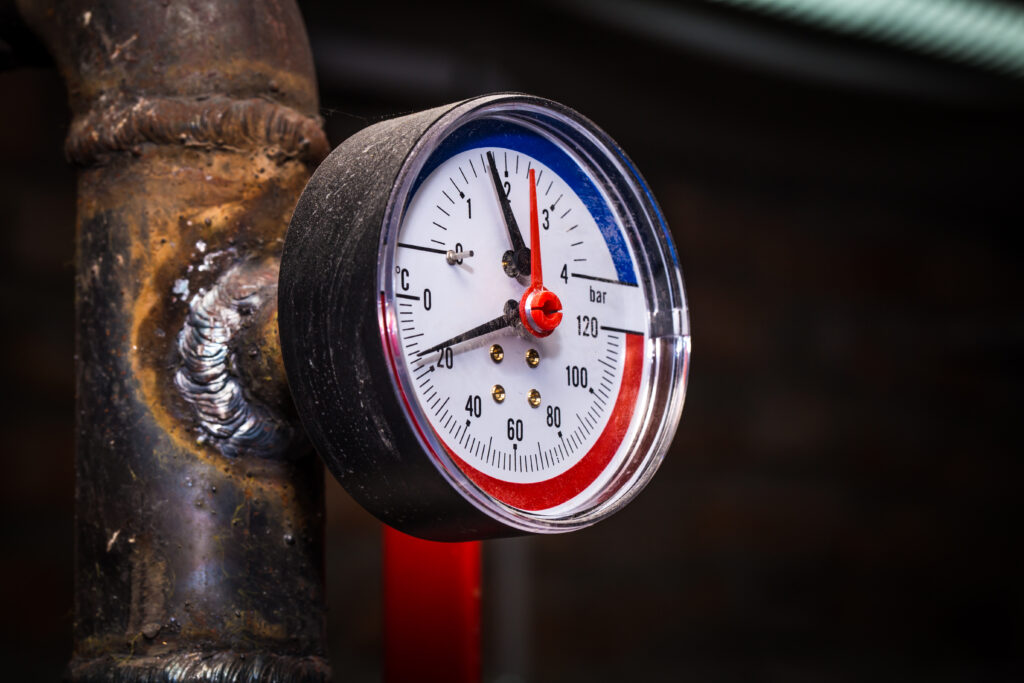
Ask for pressure testing and a clear plan if pressure is too high. Pressure regulation protects your plumbing, fixtures, and appliances.
Avoid UV and protect exposed areas
PEX should not be left exposed to sunlight. If you have areas where light exposure is possible, ask how it will be handled.
Use quality fittings and workmanship standards
This is not the glamorous part, but it is the part that prevents future problems. The cost difference between “good enough” and “done properly” is rarely as big as the long-term difference in results.
Consider water treatment if hard water is causing constant fixture issues
PEX does not corrode like metal, but hard water can still create headaches at fixtures and appliances. If you are constantly replacing shower heads or dealing with scale, talk about options such as a water softener or conditioning system.
What “lasting 40 to 50 years” Looks Like in Real Life
When homeowners hear “40 to 50 years,” they often imagine zero issues for half a century. Realistically, long life means:
- The pipe material remains reliable
- You do not have systemic corrosion or widespread leaking
- Normal wear items (fixtures, valves, appliance hoses) may still need maintenance over time
PEX repiping is not a magic spell that makes every plumbing component immortal. It is a long-term foundation that removes one of the biggest risks: ageing, failure-prone pipe networks.
Is PEX Repiping Worth it if You Plan to Sell?
Often, yes.
A documented whole home repipe can be a strong selling point, especially if your home is in the age range where buyers worry about plumbing. It can also reduce inspection objections and give buyers confidence that they are not inheriting a leak problem.
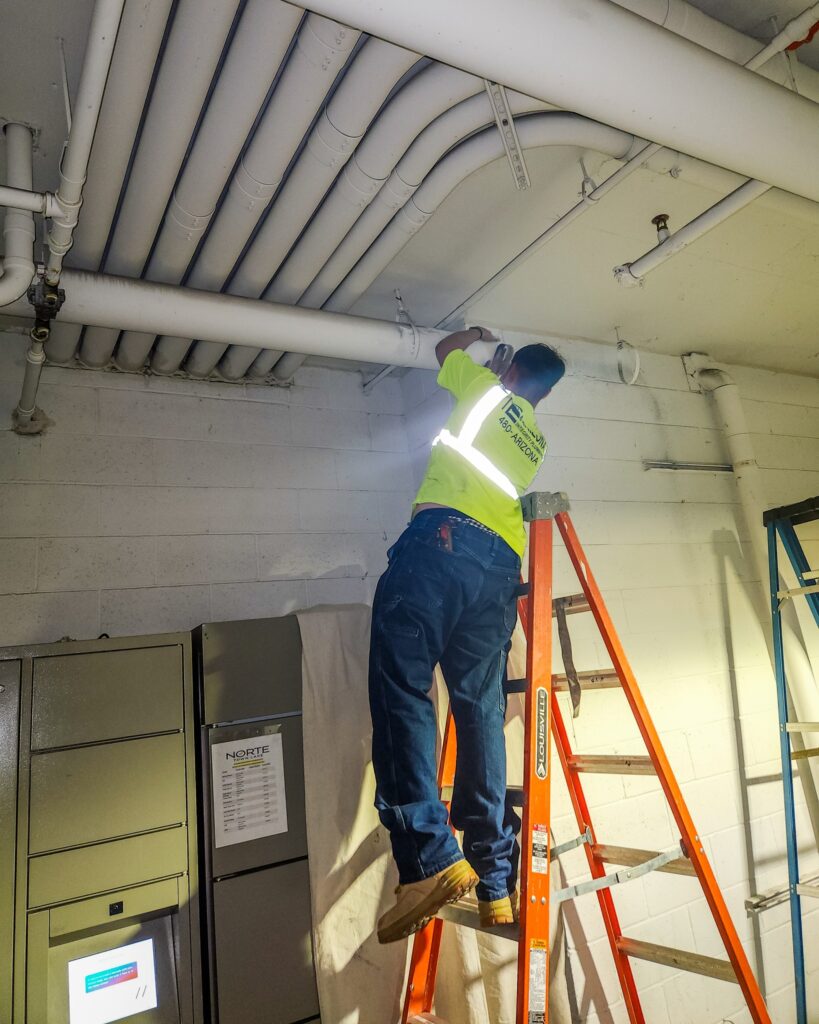
Even if you are not selling soon, a repipe can protect the value of your home by reducing the risk of water damage, repairs, and insurance headaches.
Next step: How to Know if PEX Repiping is Right For Your Home
If you are still on the fence, here is the simplest way to decide.
If your home has:
- recurring leaks
- ageing galvanised or problematic pipe materials
- water pressure issues that keep coming back
- a history of slab leaks or corrosion
Then a whole home PEX repipe is often the most cost-effective long-term solution, even if repairs feel cheaper today.
If you want clarity, the best next step is an inspection that answers these questions:
- What pipe material do you have right now?
- Where are the weak points?
- Is your water pressure safe?
- Is a partial fix sensible, or will it just delay the inevitable?
If you want a clear, no-pressure assessment of your home’s plumbing and whether PEX repiping makes sense, request a quote and inspection. You will get a practical recommendation based on your pipe material, water pressure, and the condition of your system, not a generic sales pitch.


 Hi! How can i help you?