Local Number

480-274-9662

Cost vs. Value: How a Repipe Specialist Saves You Money in the Long Run

Your home’s plumbing is out of sight—until it isn’t. A hidden slab leak or corroded branch line can drain thousands into foundation repairs, mold remediation, and emergency service calls before you even notice wet carpet. In Phoenix’s punishing environment—hard water, extreme temperatures, and shifting soils—aging piping systems accelerate these costs and magnify every failure. But the real question isn’t “How much will a full repipe cost?” It’s “How much will you save by doing it right the first time with a repipe specialist?”

Below, we break down the true cost versus the long-term value of specialist repiping, illustrating how an upfront investment delivers outsized savings on utilities, repairs, and home value—plus the priceless benefit of total peace of mind.

The True Cost of Aging Plumbing

Most homeowners only notice their plumbing when a leak becomes visible—dripping faucets, a damp patch on the ceiling, or a stubborn clog. Yet that’s the tip of the iceberg.

Beneath your floors and behind your walls lies an intricate network of supply and drain lines, each one vulnerable to wear, corrosion, and failure. Ignoring the warning signs of aging piping systems in Phoenix can lead to cascading expenses far beyond what you’d imagine:

Hidden Water Waste

Water silently escaping from pinhole leaks or deteriorated joints isn’t just an environmental concern—it’s a significant financial drain. Research indicates that 10–20% of residential water use in the U.S. leaks away each year through unseen drips and micro-fissures. In Phoenix, where municipal water averages $6 per 1,000 gallons, even a modest slab leak leaking five gallons per hour translates to over 43,000 gallons annually—more than $250 added to your utility bills for a leak you never saw. Multiply that by several undetected leaks, and you’re hemorrhaging water and money. By contrast, a specialist-led repipe eradicates these stealth losses at their source, instantly reducing your monthly bills and recouping a portion of the installation cost within the first few billing cycles.

Structural & Foundation Damage

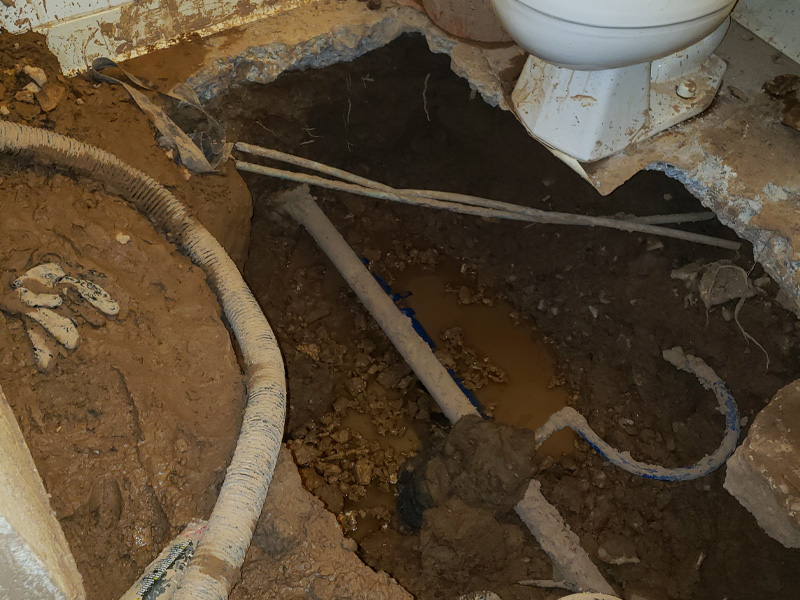
The hidden threat of slab leaks extends beyond your wallet; it undermines your home’s very foundation. Continuous water flow beneath a concrete slab erodes supporting soils, leading to differential settlement—one area of your home sinks more than another—resulting in hairline to major foundation cracks.

The cost to repair these cracks alone can range from $8,000 to $12,000 in Phoenix, not including the domino effect of warped tile, buckled hardwood, or compromised drywall that water migrates into. An expert repipe proactively removes all plumbing runs embedded in the slab, replacing them with above-ground or sub-slab PEX lines routed through accessible conduits. That preventative measure can save tens of thousands in structural remediation and preserve your home’s resale value.

Mold & Health Hazards

Persistent moisture is the perfect incubator for mold spores and mildew, which feed on organic building materials behind walls and under flooring. Once mold takes hold, remediation isn’t cheap: localized infestations cost $2,500–$4,000 to eradicate, while widespread growth can push cleanup bills past $10,000.

Beyond the structural damage, mold spores pose serious health risks—triggering allergies, respiratory issues, and exacerbating conditions like asthma. Repiping specialists leverage advanced leak-detection technologies—infrared scans to reveal hidden moisture and acoustic locators to “hear” water behind finishes—catching leaks before mold colonies form. By securing every joint and replacing all compromised lines, they break the moisture cycle that fuels mold growth, protecting both your home and your family’s well-being.

Recurring Repair Calls

Each time a general plumber patches a leak, you pay $200–$350 for labor and parts—only to find another drip a few weeks later. Homeowners averaging three of these emergency visits annually can easily spend $900 or more each year, dwarfing the yearly cost of a comprehensive repipe.

Worse, patch repairs leave the broader network weakened and prone to future failures. In contrast, a specialist repipe removes every corroded, brittle, or undersized segment in a single project, backed by 10–25 year labor and materials warranties. No more repeat service calls. One strategic investment eliminates the cycle of costly band-aid fixes and delivers plumbing reliability you can count on.

Why a Repipe Specialist Beats a Quick Fix Every Time

When a leak makes itself known, most homeowners pick up the phone for a general plumber. Yet these professionals, trained for a broad range of plumbing tasks, often lack the specialized tools and holistic approach required to solve system-wide failures. A repipe specialist, however, brings a future-proof methodology that transforms your entire water infrastructure:

System-Wide Diagnostics

General leak calls typically rely on visible signs or simple pressure checks. Repipe specialists deploy an arsenal of cutting-edge diagnostics to map your entire network before a single pipe is cut:

  • Infrared Moisture Scans: High-resolution thermal imaging exposes discrepancies as small as two degrees, identifying moisture pockets behind drywall, beneath tile, or within ceiling cavities—often days before visible staining appears.
  • Acoustic Leak Locators: By placing sensitive contact microphones on accessible pipes and ground probes across slabs, specialists “listen” for the characteristic hiss of pressurized water escaping—even through several inches of concrete—pinpointing leaks within a few inches of accuracy.
  • Video Pipeline Inspection: Flexible CCTV cameras traverse your drain and sewer lines, logging footage of corrosion, root intrusion, or collapsed segments that, if left unaddressed, can lead to backups and sanitary hazards.

By combining these methods, a repipe specialist uncovers every compromise—ensuring no hidden threat remains to haunt your home.

Purpose-Built Material Selection

Not all pipes are created equal. Phoenix’s combination of hard water, high UV exposure, and temperature swings demands materials chosen to survive specific conditions:

  • PEX Grades: Specialists select high-performance PEX blends with scale inhibitors engineered for mineral-heavy water. PEX’s innate flexibility also absorbs thermal expansion, preventing the cracking that rigid pipes experience under Phoenix’s brutal heat.
  • Type L Copper: Where hot-water loops or exposed runs require metal, specialists specify corrosion-resistant copper tubing rated for 50+ years, leveraging its natural antimicrobial properties to inhibit bacterial growth in warm lines.
  • Precision Fittings: Proper dielectric unions and stainless-steel transition couplings eliminate galvanic corrosion at metal junctions—another nuance that general plumbers may overlook but that ensures every joint stands the test of time.

Strategic Distribution Design

A specialist’s design transcends the “fix and leave” mindset, creating an integrated system optimized for performance and maintenance:

  • Manifold “Home-Run” Layouts: Instead of the traditional branching network, each fixture receives a dedicated supply line from a central manifold, eliminating cumulative pressure loss at every tee and reducing the risk of leaks at multiple junctions.
  • Pressure Zoning: Multi-story or sprawling homes benefit from zone-specific regulators or booster pumps, delivering balanced pressure across every level without over-pressurizing lower floors.
  • Integrated Recirculation Loops: Point-of-use recirculation systems ensure instant hot water at distant fixtures, cutting water waste and thermal stress on your main heater—an energy-saving feature absent from standard installations.

Embedded Monitoring & Warranty

A repipe specialist doesn’t simply walk away after installation—they future-proof your system with built-in intelligence and rock-solid guarantees:

  • Flow Sensors & Alerts: Installed at manifolds or high-risk zones, these detectors identify abnormal flow patterns—often the first indicator of a developing leak—and send real-time notifications.
  • Continuous Pressure Transducers: By logging pressure trends, these sensors detect creeping regulator failures or micro-leaks before they become failures.
  • Automated Shutoff Valves: In case of catastrophic breaks, these electrically or hydraulically actuated valves isolate affected zones within seconds, minimizing water loss and property damage.
  • Extended Warranties: Labor and materials warranties spanning 10–25 years underscore the specialist’s commitment to quality, providing financial protection that outlives the typical one-year guarantee of general plumbing services.

While a quick patch might stop a visible drip, it does nothing to shore up the entire network or prevent the next failure from occurring mere weeks later.

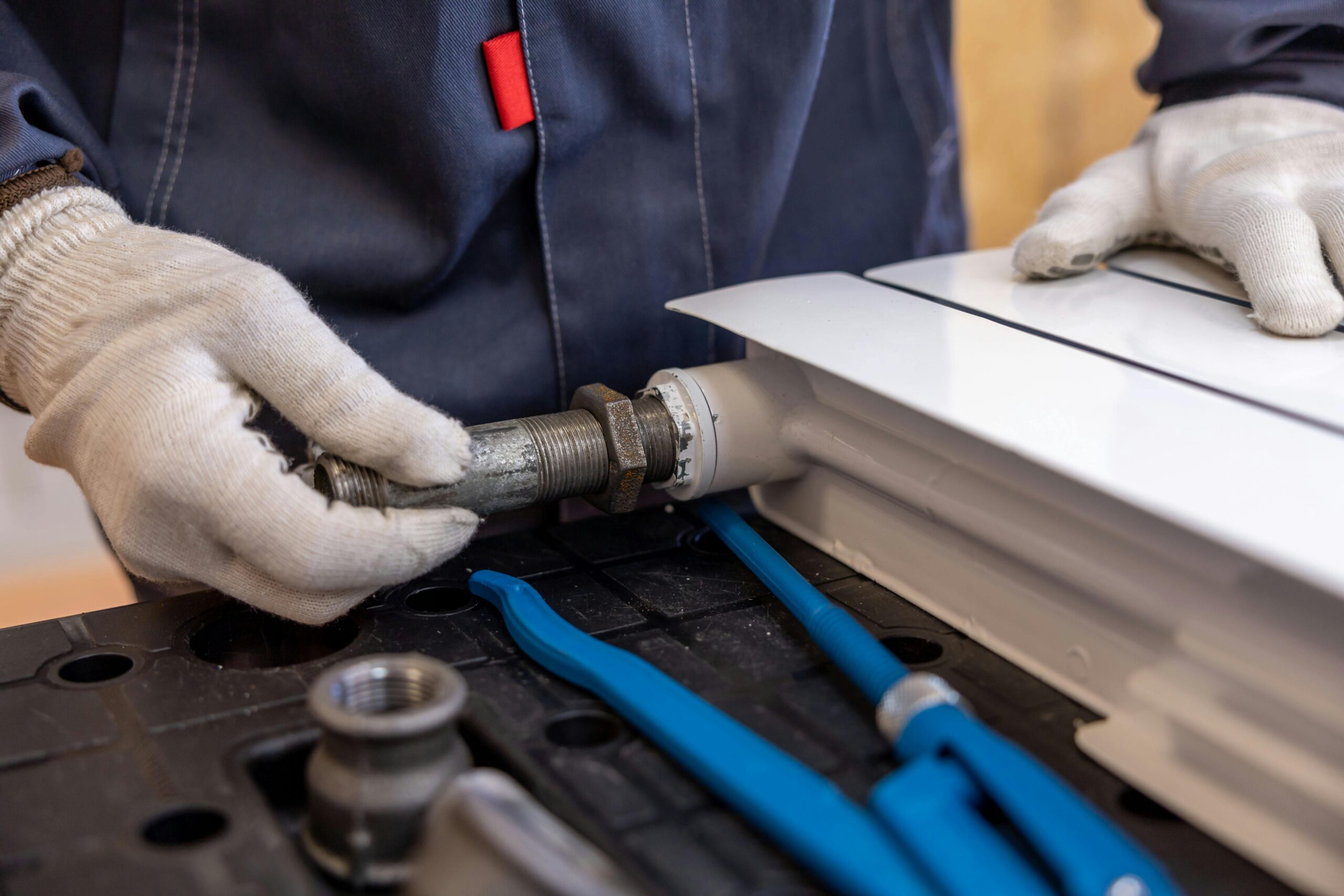
Plumber using a power tool to install PEX piping during a repiping project in a home under construction in Phoenix, AZ.

A repipe specialist’s holistic methodology—from advanced diagnostics and tailored material selection to strategic design and embedded monitoring—yields a plumbing system that operates flawlessly under Phoenix’s toughest conditions for decades, slashing your long-term costs on utilities, repairs, and health-related expenses.

Upfront Investment: Breaking Down Repiping Costs

Understanding the financial commitment for a full-home repipe helps you budget confidently—and see why this specialist-led approach outperforms repeated band-aid fixes. While every property has unique factors (square footage, number of bathrooms, slab vs. crawlspace foundation), here’s a deeper look at each cost component in the Phoenix metro area:

  1. Materials (PEX or Copper): $2,000 – $5,000
    • PEX Options: Cross-linked polyethylene tubing in ½″, ¾″, and 1″ diameters. PEX-A variants with added scale inhibitors are priced at the higher end of this range.
    • Copper Options: Type L copper for interior runs; Type K for underground sections. Includes the cost of dielectric fittings to prevent galvanic corrosion where copper meets other metals.
    • Supporting Hardware: Manifolds, shut-off valves at each fixture, pressure regulators, and expansion loops for PEX.
  2. Advanced Leak Detection: $500 – $1,200
    • Infrared Thermal Imaging: Scans entire walls and slabs, pinpointing hidden moisture up to several feet deep.
    • Acoustic Leak Location: Contact microphones and ground probes isolate subsurface drips to within 2–4 inches.
    • Video Pipeline Inspection (Optional): Push-rod cameras traverse sewer lines to identify root intrusion or collapsed sections, informing concurrent drain repairs.
  3. Labor & Surgical Access: $3,000 – $7,000
    • Selective Access Cuts: Targeted drywall, ceiling, or subfloor openings—minimizing demolition and preserving finishes.
    • Pipeline Removal & New Line Installation: Skilled technicians remove old pipes and install new lines with precision crimping or soldering.
    • Onsite Project Management: Daily coordination, quality inspections, and adherence to safety protocols.
  4. Environmental Controls: $300 – $800
    • Dust & Debris Containment: Negative-pressure tents, HEPA-filtered air scrubbers, and zip-wall partitions protect your living spaces.
    • Surface Protection: Multi-layer drop cloths, floor runners, and furniture covers safeguard floors and belongings throughout the project.
  5. Drywall & Finish Restoration: $1,500 – $3,500
    • Drywall Patching & Texture Matching: Seamless repairs in orange peel, knockdown, or specialty plasters.
    • Precision Painting & Trim Work: Color-matched primers and topcoats; reinstallation of baseboards, casings, and crown mouldings with hair-fine joints.

Final Deep-Clean: Microfiber wiping and industrial-grade vacuuming eliminate every trace of construction dust.

Total Estimated Cost: $7,300 – $17,500

These figures reflect a turnkey, specialist-led repipe—complete with diagnostics, premium materials, meticulous installation, and flawless restoration.

Long-Term Savings That Outpace the Initial Outlay

An expert repipe transforms your plumbing from a maintenance burden into a money-saving asset. Here’s how those upfront dollars generate returns over decades:

  1. Slashed Utility Bills

    • Water Savings: Eradicating hidden leaks can save 10,000+ gallons annually—$60–$80 at Phoenix water rates.
    • Energy Savings: Consistent hot-water circulation and insulated lines reduce water-heater runtime by up to 20%, saving $100–$200 per year on gas or electricity.
  2. Fewer Reactive Repairs

    • Warranty-Backed Work: With labor and materials warranties spanning 10–25 years, you avoid recurring service calls ($200+ per visit) for the same issue.
    • No More Patchwork Fees: Eliminates dozens of $200-$300 band-aid repairs that plague aging pipe networks.
  3. Avoided Catastrophic Damage

    • Foundation Protection: Proactive slab-line replacement sidesteps $10,000–$20,000 in foundation and structural repairs.
    • Mold Remediation: Moisture control prevents mold outbreaks—sparing you $3,000+ per infestation and associated health-care costs.
  4. Extended Appliance Life

    • Scale-Free Water Flow: Modern piping prevents mineral buildup in dishwashers, washing machines, and tankless heaters—potentially adding 3–5 years to appliance lifespans ($500–$1,000 in deferred replacements).
    • Stable Pressure: Eliminates stress on water-powered fixtures and valves, reducing premature failures.
  5. Enhanced Property Value

    • Higher Sale Prices: Homes with documented specialist repipes can command 3–5% higher offers; on a $400,000 property, that’s $12,000–$20,000 in added value.
    • Faster Transactions: Certified repipe documentation removes inspection red flags, cutting days on market by 20–30%.

Cumulative 20-Year Impact:

When you factor in water and energy cost reductions, avoided repairs, foundation protection, extended appliance warranties, and increased home equity, the total long-term savings often double or triple the initial repipe investment—making a specialist-led overhaul the smartest financial decision for Phoenix homeowners.

Making the Smart Choice: Specialist Repiping

When you weigh the hidden—and mounting—costs of aging plumbing against the transformative benefits of a specialist-led repipe, the decision becomes crystal clear.

A repipe specialist isn’t just another plumber; they are highly trained experts who approach your home’s entire water distribution network as a unified system, designed to deliver lasting efficiency, reliability, and peace of mind.

  • Complete Leak Elimination vs. Repeated Patchwork: Patch repairs treat symptoms. A repipe specialist uncovers every hidden vulnerability—pinpointing micro-leaks beneath slabs, behind walls, and above ceilings using infrared thermal imaging, acoustic leak locators, and pressure-decay diagnostics. By replacing every corroded, brittle, or under-sized section with premium PEX or Type L copper, you eradicate recurring drips and emergency service calls. No more Band-Aid fixes; you get a comprehensive, guaranteed leak-free plumbing network.
  • Optimal Hydraulic Performance vs. Fluctuating Pressure: An expertly engineered manifold “home-run” layout ensures each fixture receives dedicated, full-flow supply lines. Combined with properly sized main feeds and zone regulators, this design eliminates the common pressure drops that plague aging, branched systems. The result? Powerful, consistent water pressure at every faucet, shower, and appliance—day in, day out—without resorting to expensive booster pumps or repeated regulator adjustments.
  • Long-Term Warranty & Monitoring vs. Reactive Emergency Calls: Most general plumbing warranties last 30 days. Repipe specialists back their work with labor and materials warranties spanning 10–25 years, reflecting their confidence in quality installations. They also integrate smart monitoring solutions—flow-interruption detectors, pressure transducers, and automated shutoff valves—that deliver real-time alerts at the first sign of a future leak. This proactive approach replaces surprise service calls with scheduled maintenance, transforming plumbing from a liability into an asset.
  • Enhanced Home Value & Marketability vs. Cosmetic Remodels Alone: Homebuyers recognize the value of modern, professionally repiped systems. Documented specialist repipes increase property value by 3–5% and accelerate sale timelines by removing inspection contingencies tied to outdated piping materials like galvanized steel or polybutylene. In a competitive Phoenix real-estate market, offering a home with a certified repipe is a powerful differentiator—boosting buyer confidence and commanding top dollar.

By adopting the repipe specialist mindset, you convert your plumbing from an ongoing expense center into a strategic investment. You save thousands on water and energy bills, avoid tens of thousands in structural and mold repair, extend appliance life, and elevate your home’s market appeal—all while securing decades of worry-free performance.

Ready to Lock In Lifetime Savings?

Partner with Arizona Integrity Plumbing, your trusted repipe specialist, and take control of your home’s plumbing future:

  1. Schedule a Comprehensive Leak Detection Assessment
    • Uncover every hidden threat with infrared, acoustic, and pressure-decay testing.
  2. Receive a Transparent, No-Obligation Repiping Estimate
    • See a detailed breakdown of materials, labor, and restoration—no surprises.
  3. Secure Flexible Financing Options
    • Low monthly payments make specialist repiping accessible and budget-friendly.
  4. Enjoy Decades of Worry-Free Plumbing Performance
    • Benefit from long-term warranties, embedded smart monitoring, and unparalleled expertise.

Don’t settle for stopgap solutions. Call 480-274-9662 or visit our Contact Page today. Discover how the right repipe specialist not only revamps your plumbing system but also maximizes your savings and protects your most valuable asset—your home—for generations to come.

Repipe Specialist Secrets: Leak Detection & Proactive Plumbing Design

Your plumbing system is the unseen backbone of your home—yet out of sight should never be out of mind. In Phoenix, where water chemistry is unforgiving, summer temperatures routinely top 110°F, and clay soils shift beneath concrete slabs, a single hidden drip can trigger a cascade of destructive events: mold colonizing wall cavities, joists softening beneath damp floors, or even subtle foundation heaving that permanently cracks tile and drywall. When a general plumber patches that visible leak, the relief is temporary; the true culprit—whether corroded pipe interiors, pinhole fractures in brittle plastic, or settling-induced joint stress—remains undetected, ready to strike again.

Repipe specialists operate on an entirely different level. They don’t merely react to today’s symptom; they hunt down every vulnerability in your water network, then rebuild and future-proof the entire system. Their secret weapons are advanced leak detection methods—tools and techniques that reveal concealed defects long before they manifest as leaks. Combined with a forward-looking, data-driven design approach, these diagnostics ensure your new piping network withstands decades of Phoenix’s harshest conditions.

Uncovering Every Hidden Leak

Most plumbers stop at the drip you can see or hear. A repipe specialist delves much deeper, employing multiple, complementary technologies to map the true health of your entire plumbing infrastructure:

Infrared Thermal Imaging

High-resolution thermal cameras scan every accessible wall, ceiling, and floor surface. Even a two-degree temperature difference betrays the presence of moisture wicking through drywall or seeping beneath tile. Early wet spots glow in stark contrast against dry substrates, allowing the specialist to pinpoint leaks days or weeks before mold colonies become established or structural materials degrade.

Acoustic Leak Detection

Sophisticated listening devices transform walls, floors, and ground into giant sonar arrays. Contact microphones clamp onto metal or plastic pipes, while probe heads rest against concrete slabs. Technicians “tune in” to the unique high-frequency hiss of pressurized water escaping narrow fractures. This technique locates hidden slab leaks or behind-wall drips to within inches—no jackhammers, no unnecessary demolition.

Pressure-Decay Testing

Your home’s plumbing network is intelligently sectioned into manageable zones—kitchens, bathrooms, laundry, outdoor spigots. Each zone is isolated with temporary test plugs, pressurized to standard municipal levels, and monitored over a set interval. A loss of as little as 1–2 psi over fifteen minutes signals a micro-leak, guiding the specialist to replace or reinforce the affected run before visible damage occurs.

Video Pipeline Inspection

Even drain and sewer lines can conceal critical defects. Flexible push-rods fitted with high-definition CCTV cameras traverse every bend and drop, capturing real-time footage of corrosion, mineral scale buildup, root intrusion, or partial collapses. These recordings become part of a comprehensive service report, informing the repipe strategy to include targeted drain remediation alongside supply line replacement.

By layering these diagnostic modalities, repipe specialists don’t just react to the leak you call about—they chart every weakness in your plumbing, replacing the entire compromised network rather than chasing one symptom at a time. The result is a water system reborn: leak‐proof, mold‐resistant, and engineered to perform flawlessly in the desert for decades to come.

Material Mastery: Selecting Pipes Engineered for Phoenix’s Extremes

In Phoenix, where municipal water regularly tests above 200 ppm hardness and summer temperatures routinely exceed 110 °F, your choice of piping material makes or breaks a repipe’s longevity and performance. A repipe specialist begins by mapping your home’s water profile—collecting samples at outdoor hose bibs, kitchen sinks, and laundry faucets to measure calcium, magnesium, pH, and chloride levels. This granular mineral analysis drives every material decision, ensuring your new system resists scale, corrosion, and thermal stress.

PEX (Cross-Linked Polyethylene)

  • Engineered Scale Resistance: High-grade PEX formulations undergo cross-linking processes that smooth polymer chains, preventing calcium and magnesium crystallization. In field tests, scale-resistant PEX retained over 95 % of its inner diameter after simulated hard-water flushing equivalent to 20 years of use.
  • Thermal Expansion Capacity: PEX expands up to 8 % under severe heat without developing microfractures—crucial when attic-mounted lines see rapid day-to-night swings from 140 °F to 70 °F. This elasticity virtually eliminates burst risks in freeze-thaw events or solar heat spikes.
  • Installation Efficiency: With bend radii as little as five times the pipe diameter, PEX runs reduce elbow and tee counts by up to 60 %. Fewer fittings translate directly into fewer potential leak paths and faster labor times, cutting overall project costs.

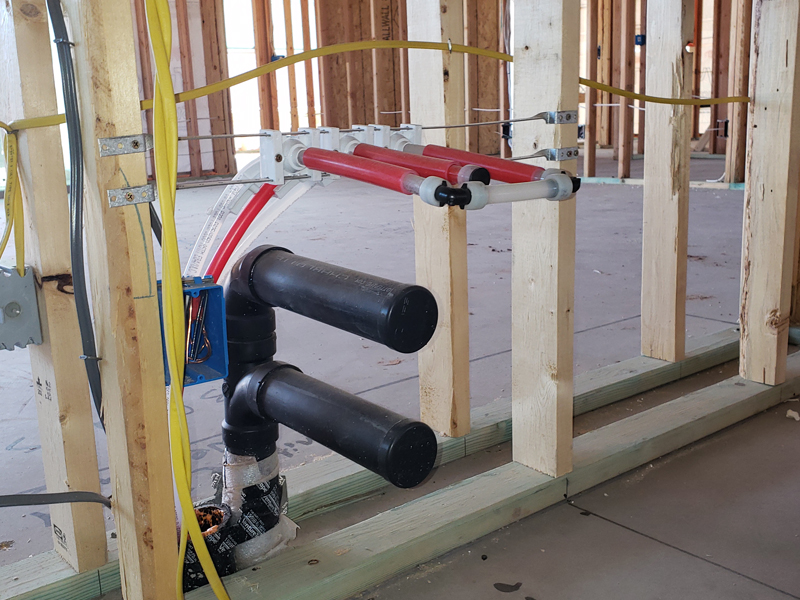
New kitchen PEX repipe

High-Purity Copper (Type L or K)

  • Natural Antimicrobial Action: Copper ions inhibit biofilm formation, protecting hot-water loops where bacterial growth thrives. Independent studies show copper piping reduces microbial counts by 85 % compared to plastic under identical conditions.
  • Half-Century Durability: Well-installed Type K copper can last 50 – 80 years even in soils with moderate chloride content. Its rigid structure resists rodent damage and external loads, ideal for semi-exposed garage or attic runs.
  • UV & Heat Tolerance: Unlike many plastics, copper sustains its mechanical integrity at surface temperatures above 150 °F—critical for pipes routed through unconditioned spaces under desert sun.

Stainless-Steel & Brass Transition Fittings

  • Galvanic Corrosion Prevention: When joining copper to galvanized steel remnants or steel shut-off valves, specialists employ stainless-steel dielectric unions and high-precision brass couplings. These fittings isolate dissimilar metals, preventing electrical current pathways that accelerate corrosion.
  • Precision Machining & Sealing: High-tolerance threading and O-ring seals ensure zero-leak connections, backed by the repipe specialist’s quality-control protocols, including torque-verification and thread-sealant inspections.

By marrying detailed water-chemistry data with material science, repipe specialists craft bespoke piping networks that shrug off Phoenix’s toughest water and climate stresses—ensuring decades of clear, powerful flow without scale, leaks, or microbial concerns.

Proactive Plumbing Design: Architecting a Resilient Network

A repipe specialist moves beyond simple repairs to engineer your plumbing as a high-performance infrastructure. Their design philosophy rests on three pillars—distribution efficiency, seamless maintenance access, and dynamic pressure-temperature control—transforming reactive patching into future-proof architecture.

Optimized Flow Distribution

  • Manifold “Home-Run” Layout: Each fixture (sinks, showers, toilets) gets its own dedicated line from a central manifold—eliminating the cumulative pressure drops inherent in traditional branching. With manifold systems, a simultaneous run of multiple fixtures doesn’t compromise pressure at any outlet, delivering consistent flows even during peak demand.
  • Loop vs. Branch-and-Loop Hybridization: For large estates or multi-unit dwellings, specialists combine continuous looped circuits—where water circulates back to the manifold for uniform temperature retention—with branch-and-loop “trunks” that minimize redundant piping. This hybrid approach balances material efficiency with performance reliability.

Built-In Accessibility & Maintenance

  • Strategic Valve Placement: Shut-off valves are installed at every sink, lavatory, shower, and appliance. This grid of local isolation points empowers homeowners and technicians to service any fixture without interrupting water to the rest of the house—reducing downtime and avoiding emergency water shut-offs.
  • Cleanouts & Access Panels: Every major change of direction in drain lines is paired with a cleanout port, while hidden junctions behind drywall receive flush-mounted access panels. These features transform formerly invasive future inspections or repairs into simple, non-destructive procedures.

Thermal & Pressure Management

  • Point-of-Use Recirculation Loops: Specialists integrate insulated recirculation lines with smart pumps and thermostats at distant fixtures. Homeowners enjoy near-instant hot water, slashing wasted gallons and reducing thermal stress on primary water heaters and piping.
  • Zoned Pressure Regulation: In two-story homes or sprawling properties, the system divides into discrete pressure zones, each governed by a dedicated regulator or booster pump. This zoned approach delivers balanced pressure—from basement laundry rooms to attic bathrooms—while minimizing noise, water hammer, and undue joint stress.

By applying these proactive design strategies, repipe specialists create plumbing networks that operate at peak efficiency from day one—delivering spotless, high-volume flows, simplified maintenance, and adaptability for future expansions or smart-home integrations. Your repipe becomes not merely a repair, but a strategic upgrade that raises the bar on performance and peace of mind.

Surgical Installation & Flawless Restoration

When decades of hidden leaks and corroded pipes are at stake, repipe specialists deploy precision techniques that preserve your home’s integrity. They execute every step with surgical accuracy, combining targeted access, environmental safeguards, and turnkey restoration to deliver a seamless experience.

1. Precision Access Without Chaos

  • Custom Panel Doors
    • Installed behind cabinetry and in closets, these magnetic or flush‐mounted doors grant instant entry to entire pipe runs.
    • Technicians map the network first, ensuring each panel aligns exactly with existing joists or studs, so there’s zero guesswork.
  • Core‐Drilled Subfloor Ports
    • Using diamond‐tipped bits, specialists drill 4–6″ holes through concrete slabs in non‐structural zones.
    • This method avoids expansive trenching and protects tile, grout lines, and foundation integrity.
  • Selective Ceiling & Wall Openings
    • Small, strategically placed access panels in attic spaces or behind wall-mounted fixtures allow full repipe coverage.
    • Panels are dimensioned to the minimum size needed, reducing demolition and preserving architectural details

Plumber using a power tool to install PEX piping during a repiping project in a home under construction in Phoenix, AZ.

2. Protecting Your Home Environment

  • Layered Surface Protection
    • Multi-layer drop cloths, floor runners, and adhesive film shield hardwood, tile, and carpet.
    • Furniture is wrapped or relocated to safe zones under clear communication protocols.
  • Continuous Air Quality Monitoring
    • Portable air scrubbers with HEPA filtration cycle the work area air every 5–10 minutes.
    • Real-time particle counters ensure airborne debris remains below breathing-level thresholds.

3. One‐Pass, Turnkey Restoration

  • Drywall & Texture Mastery
    • After piping is installed and pressure-tested, artisan drywall crews restore panels with exact texture matches—whether orange-peel, knockdown, or custom Venetian finishes.
    • Joints are feathered with joint compounds that shrink minimally, ensuring no telltale seams or bulges.
  • Precision Painting & Trim Reinstallation
    • Color-matched primer and paint are applied using sprayers and rollers to achieve uniform coverage.
    • Baseboards and crown molding are reinstalled with mitered corners so tight that even a 4× magnifier shows no gaps.
  • Final Deep Cleaning
    • Industrial-grade microfiber tools and backpack vacuums remove all settled dust.
    • Technicians perform a multi-point walkthrough, wiping surfaces and inspecting finishes under daylight-equivalent lighting to confirm zero residue.

Smart Monitoring & Ongoing Peace of Mind

A repipe specialist’s job extends beyond installation. By embedding intelligent sensors and establishing preventive maintenance routines, they transform your plumbing into a self-protecting system.


1. Embedded Leak Detection Technologies

  • Flow-Interruption Sensors
    • Mounted at central manifolds and high-risk branches, these sensors establish a baseline “normal flow” profile for each zone.
    • Real-time analysis flags deviations as small as 0.1 gallons per minute, triggering immediate alerts before water damage begins.
  • Pressure Transducer Arrays
    • Installed at service entry and each major zone, these transducers log pressure every second.
    • A proprietary analytics engine detects patterns—such as slow pressure decay or rapid spikes—indicating latent weaknesses or impending valve failures.
  • Integration with Home Networks
    • All sensor data streams into a secure cloud platform accessible via smartphone app or web dashboard.
    • Homeowners receive push notifications and can view live graphs of flow and pressure metrics, keeping them informed even while traveling.

2. Automated Emergency Safeguards

  • Motorized Shutoff Valves
    • When a major breach is detected, these valves instantly isolate the compromised zone, limiting water loss to under one gallon per event.
    • System logs record the exact time, duration, and location of the auto‐shutdown for technician diagnostics.
  • Fail-Safe Redundancies
    • Dual-valve configurations at each manifold ensure one valve’s mechanical failure cannot block a necessary zone.
    • Battery backup systems guarantee valve operation even during power outages.


3. Scheduled Preventive Maintenance

  • Annual Comprehensive Audits
    • Specialists revisit your home yearly to recalibrate sensors, recalibrate regulators, and re-verify pressure and flow against original “as-built” benchmarks.
    • Detailed condition reports highlight any component degradation—so you can budget proactively.
  • Biannual Flow Verification
    • Using calibrated flow meters, repipe specialists measure actual GPM at every fixture and compare it to municipal supply ratings, catching scale buildup or blockages early.
  • Component Lifecycle Management
    • Pressure regulators, sensor modules, and mechanical valves are maintained or replaced per manufacturer-recommended lifespans, ensuring zero unexpected breakdowns.

By combining surgical installation, precision environmental controls, and proactive intelligence, repipe specialists deliver not just a new plumbing network but a living, self-monitoring system. This paradigm shift from reactive repairs to proactive resilience gives Phoenix homeowners decades of worry-free water service—and unparalleled peace of mind.

The Long-Term Value of Specialist Repiping

Investing in a full-home repipe by a certified repipe specialist isn’t merely an expense—it’s a strategic decision that pays dividends for decades. Here’s how this comprehensive upgrade compounds value over time:

1. Significant Utility Savings

  • Elimination of Hidden Water Losses: Studies show average homes lose between 10–20% of water to undetected leaks. A repipe specialist locates and replaces every corroded or compromised segment, instantly stopping this waste.
  • Improved Hydraulic Efficiency: Smooth-bore PEX and clean copper lines maintain optimal flow, reducing pump and heater runtime by up to 15%. That translates to measurable cuts in both water and energy bills—often recouping a portion of the repipe cost within a few years.
  • Smart Flow Control Integration: When paired with recirculation loops and pressure regulators, specialist repipes minimize water heater idle times and eliminate rush-hour pressure spikes, further trimming utility consumption.

2. Extended Appliance Lifespan

  • Consistent, Corrosion-Free Water Supply: No more mineral scale fouling heat exchangers or clogging spray nozzles. By delivering pristine, scale-resistant water, modern piping preserves the efficiency and longevity of dishwashers, washing machines, and tankless water heaters.
  • Stable Pressure Protects Seals and Valves: Fluctuating pressure stresses appliance fittings and internal seals. The balanced distribution achieved by manifold systems prevents these pressure shocks, reducing service calls and premature component failures.

3. Maximized Home Value

  • Certified Whole-Home Repipes as a Selling Point: Realtor surveys indicate that homes with documented, under-warranty repipes command up to 5% higher sale prices—and sell 20% faster—than those with aging, patch-repaired systems.
  • Elimination of Inspection Red Flags: Buyers and inspectors no longer balk at obsolete galvanized, polybutylene, or Kitec lines. Your home boasts a modern infrastructure, easily passing municipal and lender requirements without costly last-minute fixes.

4. Decades of Reliability

  • Premium Materials Backed by Manufacturer Warranties: Top-tier PEX and copper systems feature warranties of 25–50 years on materials, plus labor guarantees from the repipe specialist.
  • Embedded Monitoring for Early Issue Detection: Flow detectors, pressure sensors, and automated shutoff valves mean that even the smallest future leak triggers an alert—preventing a minor fault from escalating into a major repair.
  • Predictable Maintenance vs. Reactive Emergencies: Scheduled preventive inspections replace surprise emergency service calls, allowing you to budget modest annual upkeep rather than unforeseen five-figure disasters.

Together, these benefits compound: lower bills, fewer repairs, higher resale value, and a plumbing system that remains robust and reliable long after the initial investment.

Ready to Transform Your Home’s Plumbing? Partner with a Repipe Specialist Today

Don’t let another day of leaks, scale, and pressure woes erode your comfort, safety, and wallet. Arizona Integrity Plumbing stands ready to apply our specialist expertise to your home:

  1. Schedule Your Comprehensive Leak Detection Survey

    • Infrared, acoustic, and pressure-decay diagnostics pinpoint every hidden vulnerability—no guesswork, no missed threats.
  2. Receive a Customized Repiping Blueprint

    • Transparent material recommendations, manifold-based distribution designs, and a phased, no-obligation installation timeline tailored to your needs and budget.
  3. Lock in Your Project Start Date

    • Precise coordination with your remodel or maintenance schedule ensures you never gut the same wall twice—saving time, money, and frustration.
  4. Experience Turnkey Plumbing Excellence

    • From surgical access and surgical restoration to embedded smart monitoring, our repipe specialists deliver a worry-free system built for Phoenix’s harshest demands.

Call 480-274-9662 or visit our Contact Page now to secure your home’s plumbing future. With Arizona Integrity Plumbing—your trusted repipe specialist—you’ll enjoy enduring water efficiency, rock-solid reliability, and the confidence that your system is engineered to last a lifetime.

5 Signs You Need a Repipe Specialist, Not Just a Local Plumber

When a drip becomes a flood, many homeowners dial their regular plumber—and wind up paying for temporary fixes that only delay the real problem. In Phoenix’s punishing climate—where hard water, high temperatures, and shifting soils accelerate pipe failure—a general plumber’s patchwork approach often falls short.

If you’re wrestling with recurring leaks or inconsistent water flow, you don’t just need a service call. You need a repipe specialist: a dedicated expert in whole-home repiping who brings advanced diagnostics, code-compliant materials, and precision installation to solve systemic plumbing failures once and for all.

Below are five unmistakable signs that it’s time to call in a repipe specialist, rather than relying on band-aid repairs from your standard plumber.

1. Multiple Leaks Across Unrelated Areas: A Warning of Systemic Failure

When leaks spring up in disparate locations—behind the kitchen sink, under the guest bathroom vanity, and near the laundry room—these aren’t random inconveniences but clear evidence that the underlying piping network is compromised at multiple points.

In Phoenix, where mineral-laden water relentlessly corrodes metal pipes and extreme temperature swings stress plastic lines, corrosion and fatigue rarely confine themselves to a single spot. Instead, they erode the entire system from within, creating a cascade of weak joints and microscopic fractures that manifest as leaks in seemingly unrelated areas.

Why a Single Leak Isn’t an Isolated Problem

  • Mineral Corrosion Spreads: Hard water deposits calcium and magnesium on pipe interiors. Over years, these scale layers flake off, abrading metal surfaces and accelerating corrosion downstream.
  • Thermal Cycling Stress: Daily temperature fluctuations in uninsulated walls and attics cause metal and plastic pipes to expand and contract. This repeated movement works fittings loose and opens hairline cracks.
  • Galvanic Reactions: In homes with mixed-metal plumbing, direct contact between copper and galvanized steel or brass fittings can create electrochemical currents that eat away at pipe walls.

How a Repipe Specialist Stops the Leak Torrent

  1. Systematic Diagnostic Survey:
    • Full-Building Thermal Scan: Infrared cameras sweep walls and ceilings, identifying hidden moisture pockets with precision.
    • Acoustic Leak Locators: Highly sensitive microphones pinpoint pressurized water escaping through the smallest breaches—even under concrete slabs.
    • Segmental Pressure Testing: The specialist divides the home’s plumbing into zones, pressurizes each independently, and measures pressure decay over time to isolate every failing run.
  2. Holistic Replacement Strategy:
    • Phased Repiping Plan: Rather than replace pipes only where leaks appear, the specialist designs a multi-phase repipe that addresses every corroded, undersized, or brittle section in a logical sequence—minimizing disruption and ensuring no weak links remain.
    • Premium Piping Selection: Based on water chemistry and line location, the specialist specifies the optimal material—whether high-grade PEX with scale inhibitors or durable, antimicrobial copper—to eliminate recurrence.
    • Lifetime Workmanship & Material Warranty: Unlike general warranties that expire after a decade or two, our repiping service comes with a lifetime workmanship guarantee. In addition, the Uponor PEX-a piping we install is backed by a 25-year manufacturer warranty, giving you lasting confidence in both the installation and the materials.

By treating multiple leaks not as isolated events but as symptoms of a deteriorated network, a repipe specialist delivers a permanent solution—transforming a patchwork of failures into a unified, reliable plumbing system.

2. Persistent Low Water Pressure: Beyond Faucet Aerators

When a crystal-clear aerator replacement or a new pressure regulator provides only a momentary boost—only to see pressure fall back to a dribble—you’re witnessing the limitations of spot repairs.

In aging Phoenix homes, narrow, corroded supply lines and fractured plastic runs choke water flow at its source. The result isn’t merely inconvenient showers; it’s a plumbing system that can’t meet modern household demands.

Root Causes of Chronic Low Pressure

  • Scale Accumulation: In older galvanized steel or copper, internal mineral buildup can reduce the effective diameter by up to 50%, halving your home’s potential flow rate.
  • Pipe Material Fatigue: Polybutylene and early PEX variants can develop internal delamination under high chlorine exposure, creating flow-resistant layers and turbulent eddies.
  • Improper Sizing: Many original installations were built for lower-usage fixtures. Today’s high-efficiency showers, multi-head systems, and dishwashers require larger-diameter lines to maintain volume.

Specialist Solutions for Restored Flow Dynamics

  1. Precision Hydraulic Analysis:
    • Fixture-Unit Calculations: Specialists quantify every plumbing fixture’s demand—showers, faucets, appliances—and model peak demand scenarios to determine optimal pipe diameters.
    • Computer-Aided Flow Simulations: Using CFD (computational fluid dynamics) software, they simulate water velocity and pressure drop across proposed piping layouts, ensuring real-world performance matches theoretical predictions.
  2. Advanced Piping Architecture:
    • Manifold “Home-Run” Systems: Instead of a single trunk with hundreds of feet of branching line—where each additional tee reduces downstream pressure—specialists install a centralized manifold that delivers a dedicated ¾″ or 1″ feed to each fixture, eliminating cumulative pressure loss.
    • Smooth-Bore Material Selection: High-density PEX-A or Type L copper with factory-polished interiors ensure near-frictionless flow, resisting scale adhesion and maintaining volume over time.
  3. Rigorous Flow Verification:
    • Calibrated Flow Meters at Every Outlet: Post-installation, technicians measure gallons-per-minute at each fixture under full municipal supply pressure, creating a performance certificate that demonstrates compliance with industry standards.
    • Pressure Zoning Adjustments: If certain areas of the home sit at higher or lower pressures, specialists can install zone-specific pressure regulators or booster pumps—tailoring the system to your home’s unique hydraulic profile.

By moving beyond quick tweaks to faucets and regulators, a repipe specialist rebuilds your supply network with the correct geometry, materials, and flow management—delivering consistently high pressure in every shower, sink, and appliance, exactly when you need it.

3. Chronically Discolored or Metallic-Tasting Water

When “Clean” Water Isn’t Really Clean

A cloudy glass of water isn’t merely unsightly—it’s a symptom of underlying pipe corrosion or chemical leaching. In Phoenix, where hard water accelerates scale formation and aged copper can develop pitting, discolored or off-tasting water indicates that your plumbing is actively degrading from the inside out. Temporary fixes like faucet filters or in-line cartridges may improve the flavor momentarily, but they do nothing to stop the continuous release of rust particles, mineral sediment, or trace metals into every tap in your home.

Health and Home Risks

  • Ingested Contaminants: Chronic exposure to elevated iron, manganese, or copper levels can impart metallic tastes and, in extreme cases, disrupt water treatment processes.
  • Fixture & Appliance Damage: Mineral sludge and rust accelerate wear on water-using appliances—dishwashers, ice makers, water heaters—leading to clogs, inefficiencies, and premature failures.
  • Staining & Cleaning Hassles: Brown streaks in sinks, bathtubs, and laundry loads are not only unsightly but require repeated scrubbing and specialized cleaners.
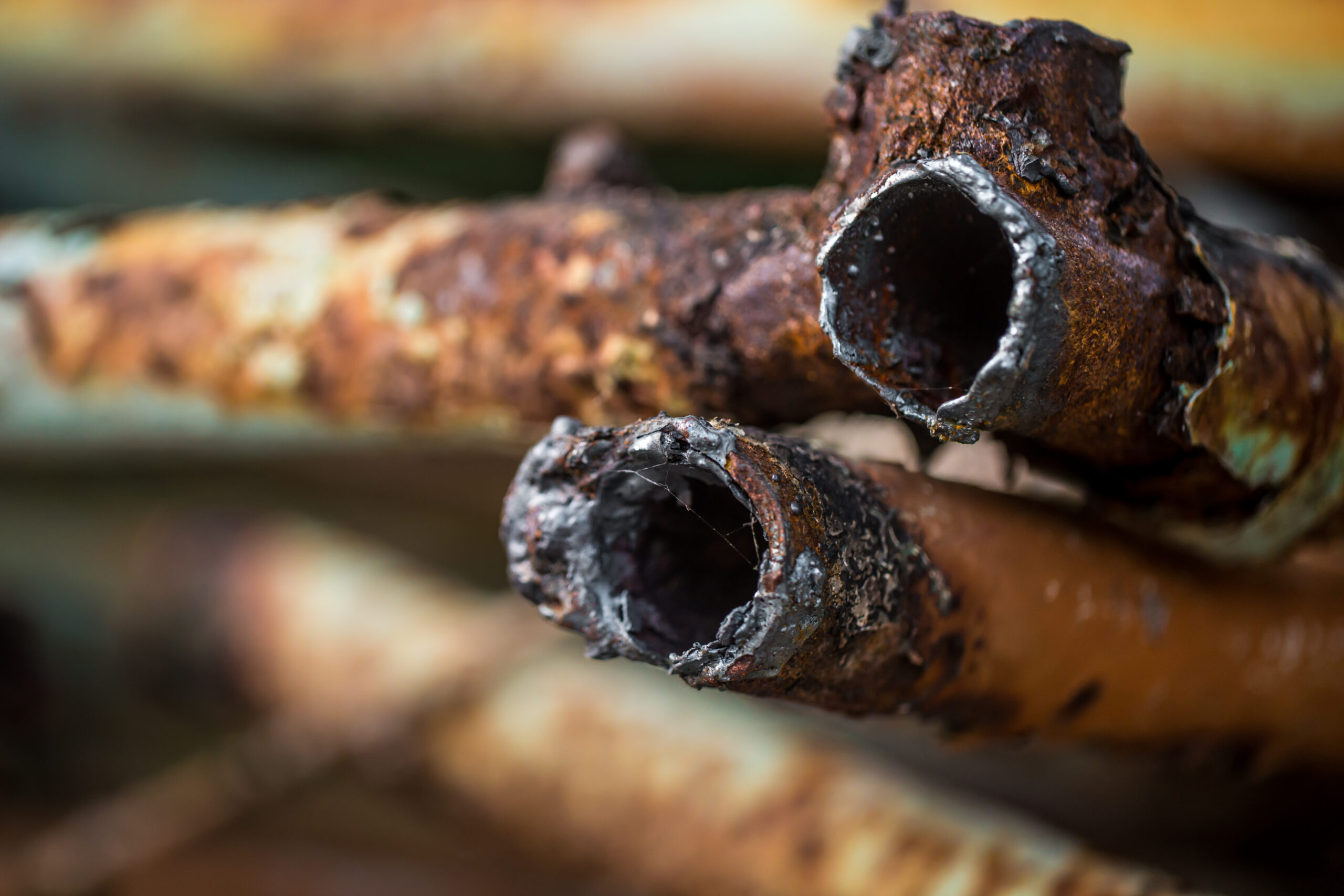
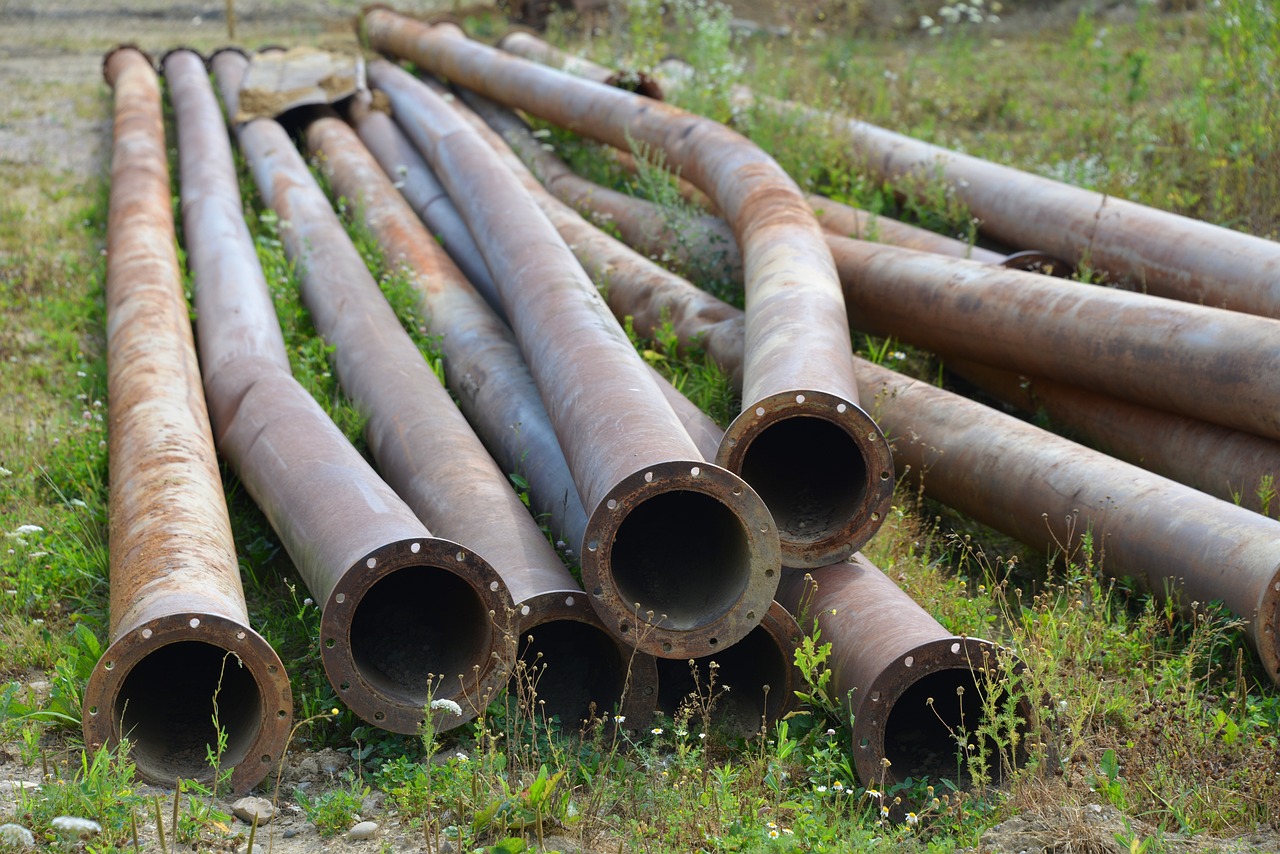
rusty pipes closeup of old rusty welding

The Repipe Specialist’s Total Water-Quality Overhaul

  1. Comprehensive Mineral Analysis
    • Multi-Point Sampling: Technicians collect samples at outdoors, kitchen, and bathroom taps to map variation in hardness, pH, and dissolved solids.
    • Lab-Grade Reports: Certified laboratories quantify scale-forming minerals and trace metal concentrations, informing an optimal piping material choice.
  2. Targeted Material Upgrade
    • Scale-Resistant PEX: Specific PEX formulations—backed by NSF/ANSI 61 standards—resist calcium and magnesium adhesion, maintaining smooth interiors for decades.
    • Premium Copper Lines: Where antimicrobial performance is essential, high-grade Type L copper delivers a natural barrier against bacterial colonization and mineral corrosion.
  3. System-Wide Purge & Sterilization
    • High-Velocity Flushing: Before installing new piping, specialists use pressurized water jets to scour away residual scale in branch lines and manifolds.
    • Sanitary Disinfection Protocols: A controlled chlorination cycle followed by a triple-rinse ensures no bacterial or chemical residues remain once your new system goes live.

4. Homes with Original, Outdated Piping Materials

The 20-Year Rule: When Legacy Materials Fail

Homes constructed before the mid-1990s often rely on plumbing technologies that have since proven unreliable under Arizona’s unique stressors. Galvanized steel lines corrode internally, polybutylene and Kitec plastic pipes degrade under chlorine exposure, and early MDPE becomes brittle in shallow burial conditions. Left in place, these legacy systems succumb to frequent leaks, pressure loss, and contamination—far outpacing the lifespan of modern materials.

Common Failure Modes

  • Internal Rust & Sediment: Galvanized steel builds up iron oxide that flakes off into water and constricts flow.
  • Chlorine-Induced Microfractures: Polybutylene and Kitec develop invisible cracks that lead to sudden bursts and flooding.
  • UV & Heat Degradation: MDPE exposed to sunlight or fluctuating soil temperatures embrittles, making everyday soil shifts a recipe for splits and leaks.

Why Only a Repipe Specialist Should Overhaul Your System

  1. Deep Expertise in Mixed-Material Transitions
    • Dielectric Unions & Transition Fittings: Specialists meticulously install couplings that prevent galvanic corrosion when joining dissimilar metals.
    • Code-Compliant Material Specifications: Every new pipe, valve, and fitting is selected to meet current Maricopa County and City of Phoenix requirements—including burial depths, pipe support intervals, and labeling protocols.
  2. Precision Access & Dust-Control Methods
    • Selective Wall and Ceiling Access: Instead of gutting entire rooms, repipe specialists open minimal panels at strategic junctions—enabling full system replacement with dramatically reduced demolition.
    • Containment Systems: HEPA scrubber, and protective drop cloths prevent dust migration, preserving your home’s finishes and indoor air quality.
  3. Future-Proofing & ROI Enhancement
    • Long-Life PEX or Copper Infrastructure: Upgraded lines carry manufacturer warranties of 30–50 years, eliminating guesswork about “when the next leak will strike.”
    • Increased Property Valuation: Today’s homebuyers recognize and pay a premium for modern plumbing systems—marketing your property as “fully repiped by certified specialists” distinguishes your listing and accelerates sales.

Tackling outdated piping demands more than basic repair skills—it requires the advanced diagnostics, technical knowledge, and surgical installation techniques that only a certified repipe specialist delivers. Upgrade your home’s legacy network once, and unlock decades of dependable performance and increased home value.

5. You’re Planning a Major Remodel—Don’t Overlook Your Plumbing

The True Cost of Ignored Pipes

Imagine finally installing that dream gourmet kitchen or luxurious spa bathroom—only to discover six months later that a compromised branch line has flooded your new porcelain tile and custom cabinetry. Remodeling budgets often account for high-end countertops, designer fixtures, and professional installation, but forget the 50–100 linear feet of supply and drain piping hidden behind studs and under slabs. When aging or corroded pipes fail, the expense of ripping out freshly finished walls, floors, and millwork can rival or exceed your original remodel investment.

Repiping First: A One-and-Done Strategy

  1. Seamless Project Coordination
    • Integrated Scheduling: Your repipe specialist collaborates with remodel contractors and electricians, timing plumbing demolition and installation to precede finish work—so you never gut the same wall twice.
    • Streamlined Permitting: Expert handling of all plumbing permits and inspections prevents permit delays that could stall your cabinetry install or tile work.
  2. Enhanced Design Flexibility
    • Fixture-Specific Shutoff Valves: Installing individual shutoffs at each sink, tub, and appliance means that future fixture updates or repairs won’t require shutting down the entire home’s water supply.
    • Service Line Capacity Upgrades: By upsizing your main feed—often from ¾″ to 1″ or larger—you enable high-demand features like pot-fillers, steam showers, and multi-head shower systems without risking pressure drops.
  3. Single-Pass Restoration
    • Precision Access & Repair: Small, targeted cutouts replace large demolition cavities—then drywall, texture, and paint crews restore surfaces to a seamless finish.
    • Dust and Debris Containment: Negative-pressure enclosures and HEPA-filtered scrubber protect your new floors, cabinetry, and furniture during repiping, so your remodel team arrives to a spotless workspace.

By integrating a full repipe into your remodel’s critical path, you eliminate hidden risks, preserve your high-end finishes, and ensure your renovated space is built on a plumbing infrastructure engineered for reliability.Transform

Your Remodel into a Lasting Investment—Partner with a Repipe Specialist Today

Don’t gamble on hidden plumbing failures that can ruin your beautiful new finishes and blow your budget. With Arizona Integrity Plumbing’s repipe specialists, you gain:

  • Complete Peace of Mind: Every line is replaced, tested, and guaranteed—no more surprise leaks behind your custom tile or cabinetry.
  • Seamless Project Integration: We coordinate with your remodel team to deliver a one-pass solution that respects your design schedule and protects your high-end finishes.
  • Code-Strict Compliance: From permitting through final inspection, we handle every regulatory detail so you never face fines, rework, or insurance headaches.
  • Unmatched Craftsmanship: Our precision access, dust-control protocols, and professional drywall restoration ensure your home looks as impeccable as it performs.

Ready to eliminate plumbing uncertainty and future-proof your investment? Act now to lock in our specialist team for your upcoming remodel:

  1. Call Us Directly at 480-274-9662 to speak with a repipe consultant and schedule your in-home assessment.
  2. Book Online through our Contact Page for a guaranteed response.
  3. Explore Our Expertise on the Repipe Services page to see detailed case studies, materials guides, and long-term warranty information.

Take control of your home’s future—don’t let outdated plumbing compromise your remodel dreams. Reach out today, and let Arizona Integrity Plumbing’s repipe specialists build the reliable, high-performance foundation your renovated space deserves.

Why Hire a Repipe Specialist for Your Phoenix Home: Top Benefits Explained

Your home’s plumbing is often out of sight—and out of mind—until that first drip becomes a deluge. In Phoenix, the combination of hard water, scorching temperatures, and aging pipes turns minor corrosion into major headaches. When mineral buildup clogs your lines or a hidden slab leak floods your foundation, a quick patch won’t cut it. You need a repipe specialist—a focused expert who brings advanced diagnostics, strategic planning, and precision execution to every whole-home repipe.

By partnering with a repipe specialist, you’re not just fixing leaks. You’re investing in a robust plumbing system tailored for Arizona’s unique challenges. Expect deep diagnostic expertise, premium materials, and craftsmanship designed to deliver decades of reliability, consistent water pressure, and crystal-clear water quality. Let’s explore the top reasons Phoenix homeowners choose specialists over general plumbers.

A Stark Reality: The High Cost of Neglected Pipes

In Phoenix, municipal water often carries up to 500 ppm of total dissolved solids—double or triple the national average. Over years, those minerals accumulate inside galvanized steel, polybutylene, and early-generation copper, creating a narrowing “scale” that restricts flow and weakens pipe walls.
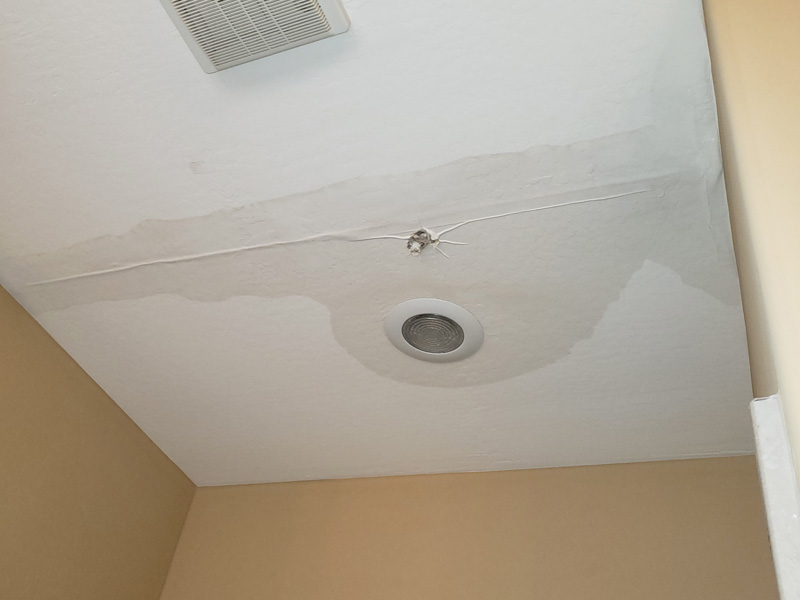
Damages Ceiling From Failed Pipes

Consequences of Mineral-Ravaged Pipes

  • Diminished Water Pressure: As internal diameter shrinks, you’ll notice sluggish showers, slow-filling appliances, and irregular flow across multiple fixtures.
  • Compromised Water Quality: Rust and sediment leach into your drinking water, staining fixtures, clothes, and dishes. It also imparts metallic tastes and odors—a daily nuisance and potential health concern.
  • Frequent Emergency Calls: Small leaks become pinhole drips, and drips become gushing cracks. Emergency plumbing repairs can cost two to three times more than a planned repipe.
  • Slab Leaks & Foundation Damage: Hidden under concrete floors, slab leaks can undermine your foundation, warp tile, and invite mold growth. These “silent saboteurs” often go undetected until catastrophic damage occurs.

Piecemeal repairs merely postpone the inevitable—and compound your bills. A dedicated repipe specialist tackles these root causes head-on, replacing entire systems with modern materials and methods that thrive in Arizona’s harsh environment.

1. Deep Diagnostic Expertise: Finding Every Hidden Threat

A repipe specialist begins every project with a comprehensive diagnostic evaluation. rather than assuming where problems lie, specialists use cutting-edge tools and methodologies to map your entire plumbing network.

Infrared Thermal Imaging

Thermal cameras detect subtle temperature variations behind walls and under slabs. Where moisture accumulates from leaks or condensation, the temperature signature shifts. This allows technicians to pinpoint problem areas without demolition.

Acoustic Leak Detection

Specialized microphones “listen” for the characteristic hissing of pressurized water escaping through tiny fissures. This method excels at locating slab leaks and concealed drips within walls—long before water puddles appear.

Video Pipe Inspection

Incorporating high-resolution, waterproof cameras into drain and sewer lines, technicians can visually confirm corrosion, roots, scale buildup, and other obstructions from the inside out.

Why This Matters

These diagnostics ensure that no hidden failure goes unnoticed. Instead of gutting walls and chasing leaks by instinct, a repipe specialist develops a custom repipe plan that addresses every compromised run—eliminating guesswork and preventing costly callbacks.
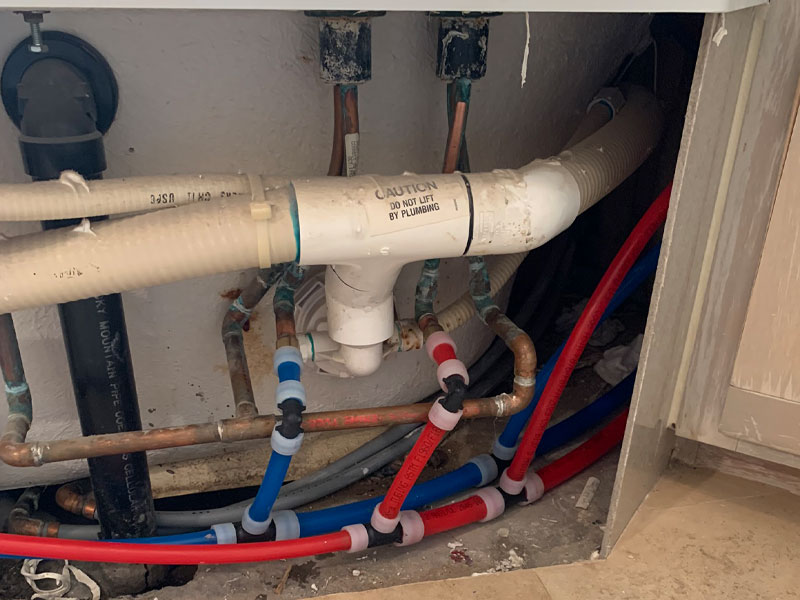
New PEX Repipe around bathtub

By entrusting your project to a repipe specialist, you leverage a level of analysis and expertise that transforms your plumbing from a liability into a fortress—engineered for Phoenix’s unique demands.

2. Tailored Repiping Plans: One Size Never Fits All

No two Phoenix residences share the same blueprint or water profile. A repipe specialist understands that successful plumbing upgrades begin with a personalized strategy—one that aligns with your home’s architecture, water chemistry, and lifestyle demands.

Comprehensive Water Chemistry Analysis

Arizona’s water is notoriously hard. Tap water can contain calcium and magnesium concentrations that far exceed national averages, accelerating internal pipe scaling and corrosion. A repipe specialist collects samples from multiple fixtures—kitchen sink, laundry room, hot water heater—in order to:

  • Measure total dissolved solids (TDS) levels and pH balance
  • Identify corrosive elements such as chlorides or sulfate
  • Recommend piping materials and protective coatings designed to resist mineral attack

By matching materials and protective measures to your specific water profile, you avoid premature pipe failure and maintain consistent water quality.

Customized Routing for Unique House Layouts

Whether your home features a sprawling open floor plan, multiple stories, or tight crawl spaces, repiping routes must minimize disruption while maximizing performance. A repipe specialist will:

  • Map each supply and return line with CAD-based plumbing software
  • Optimize pipe runs to reduce fittings, elbows, and pressure drop points
  • Coordinate with electricians, HVAC technicians, and finish carpenters to preserve aesthetics and structural integrity

Flexible PEX piping bends around obstacles, ideal for retrofits in finished walls and tight attic joists. In contrast, rigid copper piping may be specified for exposed basement runs or decorative plumbing elements.
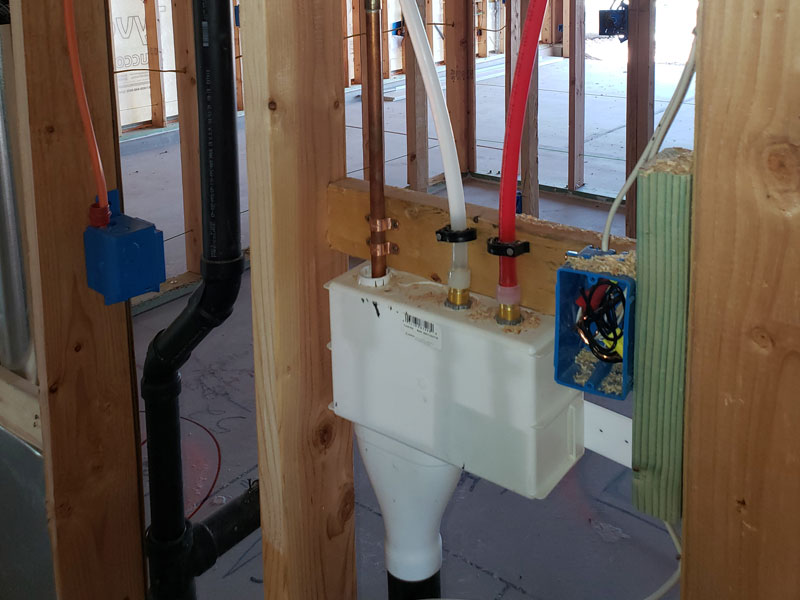
PEX repipe laundry box

Flow-Capacity Engineering for Your Usage Patterns

Peak demand in a typical Phoenix household might include simultaneous shower use, dishwasher cycles, and irrigation systems. To prevent mid-shower pressure dips or appliance starvation, specialists:
Calculate total fixture unit (FU) counts based on national plumbing code guidelines

  • Determine optimal main and branch line diameters—often moving from ¾” to 1″ or 1¼” supply lines
  • Install manifold-based “home-run” distribution headers to isolate each fixture for balanced flow

This bespoke design ensures that every shower, sink, and appliance receives the water volume it requires, even during your busiest hours.

By integrating water chemistry testing, precise routing, and flow-capacity engineering, your repipe investment delivers maximum value—eliminating guesswork, costly callbacks, and unnecessary demolition.

3. Premium Materials & Precision Craftsmanship

In Phoenix’s extreme heat and hard-water environment, the longevity of your plumbing hinges on material selection and installation accuracy. Repipe specialists insist on industry-leading piping systems and workmanship standards that exceed code minimums.

PEX (Cross-Linked Polyethylene) Advantages

  • Flexibility: Expands and contracts under temperature swings without cracking, reducing freeze-break risk during rare cold snaps.
  • Corrosion Resistance: Unaffected by mineral buildup, maintaining a smooth internal bore for decades.
  • Rapid Installation: Manifold-based systems allow individual fixture isolation, drastically reducing labor time and potential leak points.

Modernizing Plumbing: The PEX Repipe Revolution

Copper’s Time-Tested Performance

  • Antimicrobial Properties: Naturally inhibits bacteria growth, safeguarding drinking water quality.
  • High-Temperature Tolerance: Ideal for direct runs from tankless water heaters and boiler connections.
  • Proven Lifespan: Field studies demonstrate 50+ years of service when installed with proper dielectric unions in dissimilar-metal junctions.

Rigorous Installation Standards

  1. Proper Anchoring & Support
    • PEX secured every 32″ horizontally and within 12″ of all fittings.
    • Copper strapped at standard intervals to prevent sagging and vibration.
  2. Correct Crimping & Compression Techniques
    • Use of manufacturer-approved stainless steel crimp rings or expansion fittings for PEX.
    • Thread sealant and torque specifications followed exactly on copper compression fittings.
  3. Fixture-by-Fixture Shut-Off Valves
    • Ball valves installed adjacent to every major fixture for rapid isolation.
    • Main shut-off and pressure-regulator bypass valves conveniently located for maintenance.

This level of craftsmanship ensures your new plumbing system resists Arizona’s punishing conditions—delivering decades of leak-free performance.

4. Instant Water Pressure & Efficiency Gains

A full repipe by a qualified specialist is a guaranteed path to immediate, measurable improvements in water pressure, system efficiency, and energy consumption.

Powerful, Consistent Pressure Across the Board

  • Clearing Scale & Corrosion: Completely removes internal obstructions that create bottlenecks, unleashing your home’s full municipal supply pressure.
  • Optimized Pipe Diameters: Replacing undersized branch lines with appropriately sized ½”, ¾”, and 1″ lines ensures even distribution to every fixture.
  • Manifold-Based Distribution: Direct “home-run” feeds eliminate the cascading pressure losses of traditional branch-and-loop systems.

Faster Fill Times & Reduced Heating Costs

  • Dishwashers & Washing Machines: Fill cycles accelerate by 30–50%, shortening total run times and boosting appliance efficiency ratings.
  • Water Heaters: Consistent inflow speeds heat water faster, reducing heater runtime and cutting energy usage by up to 15% annually.

Fewer Clogs & Maintenance Calls

  • Smooth-Bore Piping: Both PEX and copper maintain their internal diameter over time, eliminating sediment accumulation that leads to slow drains and repeated plumber visits.
  • Proactive Valve Placement: Individual fixture shut-offs allow quick servicing without whole-system shutdown, minimizing disruption and repair costs.
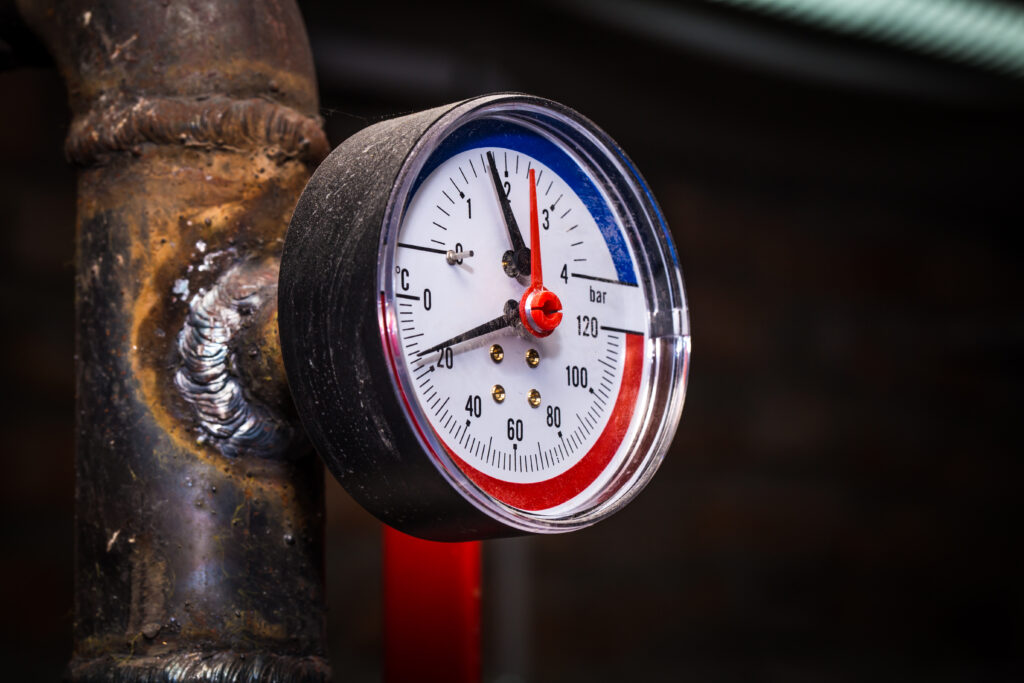
These performance gains translate directly into daily comfort—powerful, unwavering showers and sink flows—and tangible savings on your utility bills. Over the lifespan of your plumbing, the efficiency boost and reduced maintenance more than justify the initial investment in a repipe specialist’s comprehensive upgrade.

By embracing tailored planning, premium materials, and expert installation, a repipe specialist transforms your Phoenix home’s plumbing from a liability into a lasting asset.

5. Cleaner, Healthier Water

Phoenix’s hard water and aging plumbing can leave more than just calcium deposits behind—they can introduce rust, sediment, and trace metals directly into your drinking supply. Over time, these contaminants degrade water quality, stain fixtures, and impact your family’s health. A repipe specialist eliminates those risks through a complete system overhaul using premium PEX or copper piping.

Key Benefits of Modern Piping Materials

  • Elimination of Rust and Scale: Unlike galvanized steel, PEX and copper resist internal corrosion. No more microscopic flakes of rust or mineral buildup drifting into your faucets.
  • Odor and Taste Improvements: By removing sources of metallic or musty tastes, you’ll notice coffee that’s clearer, cooking that’s more flavorful, and drinking water that’s genuinely refreshing.
  • Stain Prevention: Upgrading your entire supply network prevents brown water episodes, preserving the finish on sinks, tubs, and dishes—and saving you countless scrubbing sessions.

Health and Safety Compliance

A trained repipe specialist doesn’t just swap pipes—they adhere to NSF/ANSI 61 and local health codes to ensure your new plumbing meets or exceeds standards for potable water. From lead-free solder on copper joints to food-grade PEX certification, every component is vetted for safety. After installation, your specialist conducts water sampling and pressure testing to verify that your system delivers not just clear water, but water you can trust with every refill.

Learn more about our water-quality guarantees on our Repipe Services page.

6. Whisper-Quiet Plumbing

Noisy pipes and “water hammer” shocks can shatter your home’s calm—and hint at deeper issues like excessive pressure or poorly supported piping. A repipe specialist addresses both the symptoms and causes by installing modern materials and employing precision installation techniques that virtually eliminate plumbing noise.
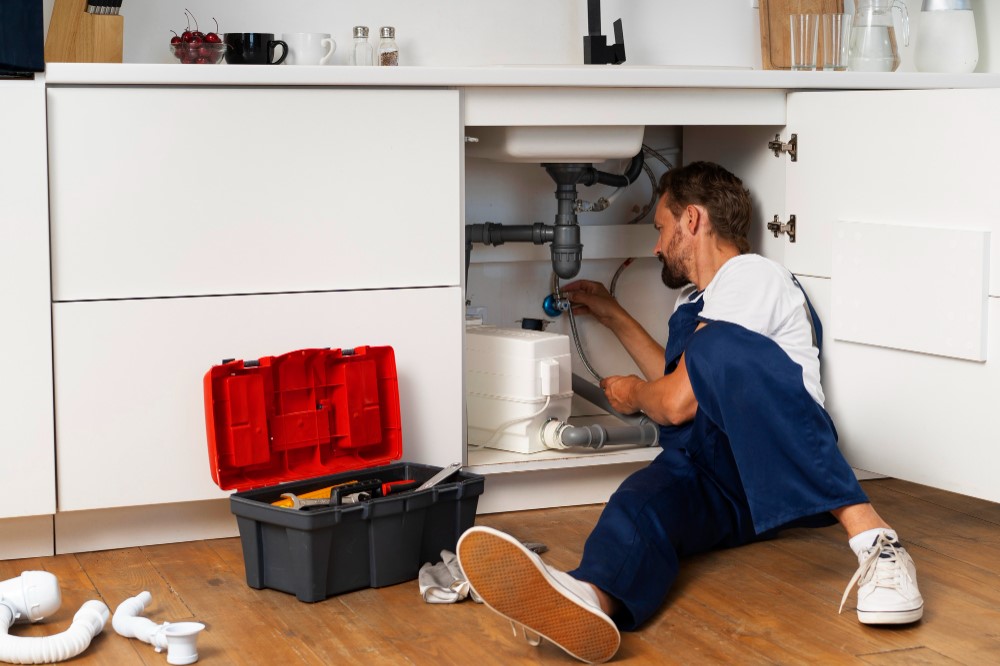
Plumbing Repiping Services

Why Plumbing Noise Happens

  • High-Velocity Flow: Restricted or corroded pipes force water through narrow passages, creating turbulent, rattling flows.
  • Unsupported Runs: Long stretches of rigid pipe without proper clamps or hangers can vibrate and bang against joists and studs.
  • Excessive Pressure Spikes: Sudden valve closures or pump cycling can create shock waves (water hammer) that reverberate through the system.

Specialist Solutions for Silent Operation

  • Flexible PEX Layouts: PEX’s elasticity absorbs vibration and accommodates thermal expansion, preventing the high-frequency rattles common in metal systems.
  • Strategic Pipe Supports: Every horizontal and vertical run is anchored at code-specified intervals, removing loose segments that transmit noise.
  • Water Hammer Arrestors and Pressure Regulation: Installing dedicated arrestor chambers and fine-tuning your PRV (pressure reducing valve) stops pressure spikes at the source.

With these measures in place, your plumbing operates so quietly you may forget it even exists—no more startled wake-ups from boom-boom echoes in the walls.

7. Slab Leak Prevention & Foundation Protection

Few plumbing failures strike fear into Phoenix homeowners like a slab leak. Hidden beneath concrete floors, a small crack can quietly unleash gallons of water—compromising your foundation, warping tile, and fueling mold growth. A repipe specialist takes a proactive approach, rerouting critical water lines and integrating early-warning systems to safeguard your home’s structural integrity.

Strategic Line Relocation

  • Above-Slab Routing: Whenever possible, specialists reroute hot and cold water supply lines into accessible wall cavities or attics—making future inspections and repairs straightforward and non-destructive.
  • Targeted PEX Installation: For runs that must cross the slab, flexible PEX is chosen for its ability to expand and contract with soil shifts, reducing the risk of stress fractures.

Advanced Leak Detection & Monitoring

  • On-Line Leak Sensors: Placed at key junctions or beneath new PEX runs, these wireless sensors detect even minor moisture accumulation—triggering alerts before a small drip escalates.
  • Smart Flow Meters: Integrated into your main shut-off, these devices track usage patterns in real time. Unusual flow triggers an instant notification, allowing you to act before any water reaches your foundation.

Long-Term Foundation Protection

By moving vulnerable plumbing out of porous soil and combining it with early-warning leak detection, a repipe specialist not only prevents catastrophic slab failures but also preserves your home’s value. You avoid the tens of thousands of dollars in concrete repair, tile replacement, and structural remediation that often accompany a water-soaked foundation.

Each of these benefits—cleaner water, quiet operation, and slab leak prevention—demonstrates why hiring a repiping specialist is the most comprehensive, future-proof choice for Phoenix homeowners.

8. Long-Term Reliability & Lower Maintenance

One-off patches and localized fixes might stop a leak today, but they leave the door open for tomorrow’s catastrophe. A full repipe performed by a specialist replaces every compromised section—whether it’s corroded galvanized runs, brittle polybutylene, or undersized copper lines—creating an entirely new plumbing infrastructure built to last.

Repipe on two story structure

Predictable Performance Over Decades

  • Eliminate Hidden Weak Points: Replacing every joint and length of piping removes latent failure zones that often become emergency calls months after a quick repair.
  • Streamlined Maintenance Schedules: Instead of chasing leaks, you’ll follow an annual inspection routine—checking pressure regulators, testing shutoff valves, and verifying flow rates—rather than responding to unpredictable emergencies.
  • Reduced ‘Call-Back’ Costs: No more paying premium same-day rates when a temporary patch fails. Your certified specialist backs their work with warranties, so even if a rare issue arises, it’s handled promptly and professionally.

Protecting Fixtures & Appliances

New piping stabilizes water quality and pressure, reducing wear on water heaters, dishwashers, and filtration systems. Over time, this means:

  • Longer Appliance Lifespans: Consistent pressure and sediment-free water prevent premature component failure.
  • Lower Energy Bills: Hot water systems operate more efficiently with steady supply lines, shaving energy costs year after year.

Though a whole-home repipe is a significant upfront investment, it replaces a cycle of short-term repairs and emergency service calls with a reliably performing system—saving you thousands of dollars in cumulative maintenance over its 30- to 50-year lifespan.

9. Maximum Home Value & Buyer Appeal

In today’s competitive Phoenix real estate market, home inspectors and savvy buyers go beyond surface cosmetics. They scrutinize your plumbing infrastructure for hidden liabilities. A documented whole-home repipe by a certified repipe specialist positions your property as turnkey and trouble-free.

Eliminating Inspection Red Flags

  • Clean Inspection Reports: No corroded fixtures or suspect materials means fewer repair requests and contingencies during escrow.
  • Transparent Documentation: Providing permits, inspection sign-offs, and manufacturer warranties assures buyers that your plumbing meets or exceeds industry standards.

Driving Higher Resale Values

  • Modern Infrastructure Premium: Homes with new PEX or copper piping often command higher offers—buyers are willing to pay for certainty and longevity.
  • Marketing Advantage: A sales listing highlighting “recent whole-home repipe by a local repipe specialist” sets you apart, attracting buyers looking for move-in readiness.

When Is The Best Time Of Year To Repipe My Arizona Home

By investing in a repipe, you not only protect your daily comfort but also secure a differentiator that elevates your home’s perceived and actual value—often recouping a large portion of your repipe costs at sale.

10. Code Compliance & Safe Installation

Arizona’s building codes—especially in Maricopa County and the City of Phoenix—mandate exacting standards for residential plumbing. From approved materials and burial depths to the placement of shut-off valves and backflow prevention, every requirement exists to safeguard your home and health.

Turnkey Permit Management

  • Permit Acquisition: Your repipe specialist handles all forms and documentation, ensuring plans are submitted correctly and permits are issued without delay.
  • Inspection Coordination: Key milestones—rough-in, pressure testing, and final sign-off—are scheduled and supervised, giving you peace of mind that every phase meets municipal approval.

Adherence to Technical Standards

  • Material Specifications: Only code-approved PEX or copper grades are used, with appropriate UV protection and fire-resistance ratings where required.
  • Shut-Off Valve Placement: Master and zone shut-offs are installed per code, enabling rapid isolation of any line in an emergency or for future maintenance.
  • Burial Depths & Slab Penetrations: Underground or under-slab runs comply with required cover depths, conduit protection, and sleeve installations to prevent abrasion and moisture ingress.

By overseeing every regulatory detail—from permit pulls to final inspections—a repipe specialist eliminates liability risks, avoids costly re-work, and ensures your investment meets all safety and insurance prerequisites.

Choosing a repipe specialist means you’re not just replacing pipes—you’re upgrading to a fully compliant, future-proof system that enhances your home’s reliability, value, and safety for decades to come.

The Repipe Specialist Process: Step by Step

Consultation & Detailed Quote

Your journey begins with an in-home consultation, where a repipe specialist conducts a comprehensive inspection of your existing plumbing network. Using thermal imaging, acoustic leak detection, and pressure testing, we map every line—from the service connection at the meter to the furthest fixture in your home. Based on these diagnostics, we define the full project scope, pinpointing which sections need replacement, which can remain, and where rerouting is advisable. You receive a clear, itemized quote covering materials, labor, restoration, and any permit fees—no hidden costs, no surprise add-ons.

Permitting & Planning

Once the scope is approved, we take over the permit application process, liaising with Maricopa County and City of Phoenix authorities on your behalf. During code review, our team verifies that pipe materials, burial depths, shut-off valve locations, and fixture configurations meet or exceed all local and state plumbing regulations. Simultaneously, we develop custom piping diagrams and material schedules, ordering high-grade PEX or copper and scheduling crews to optimize timelines and coordination with other trades on your remodel or construction project.

Selective Access & Demolition

With permits in hand, our technicians carefully open only the areas necessary for repiping—often small, strategically placed panels in walls, ceilings, or floors. We deploy industrial dust barriers, negative-pressure venting, and furniture protection pads to keep your living spaces clean and unobstructed. Every morning, you’ll receive an update on the day’s plan and any required homeowner preparations, ensuring transparency and minimal disruption to your routine.
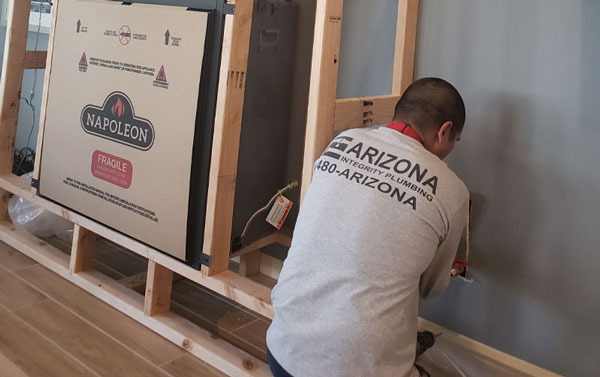
The Repipe Expert Team Member

Systematic Repiping

Our crews remove corroded or undersized piping in a methodical sequence, replacing it with new PEX or copper lines per the approved routing diagrams. Each segment undergoes inline pressure monitoring, allowing us to confirm joint integrity as work progresses. This step-by-step testing prevents surprises at project’s end: every connection is validated before we move to the next, guaranteeing a leak-free system.

Restoration & Cleanup

After all new pipes are in place and tested, we restore your home to its original condition—only better. Skilled tradespeople patch drywall, match textures, repaint surfaces, and reinstall trim, seamlessly blending repair work into your décor. Our crews then conduct a thorough site cleanup, removing debris, vacuuming dust, and inspecting each room to ensure no evidence of construction remains behind.

Final Inspection & Homeowner Walkthrough

Before restoring full water service, we perform a comprehensive final pressure test and coordinate the municipal inspection. Upon passing city approval, a repipe specialist guides you through your new plumbing system: demonstrating shut-off valve locations, explaining maintenance tips, and sharing documentation—permits, warranties, and test certificates. You leave with confidence that every pipe, fitting, and fixture now operates to the highest standards.

For an even deeper dive into each phase, explore our Repipe Services page.

Is a Repipe Specialist Right for You?

A complete repipe is a significant decision, but one that can prevent catastrophic damage and save you money in the long run. Consider calling in a specialist if you notice any of the following signs:

  • Persistent Leaks or Water Stains: Ongoing drips behind walls or ceiling discoloration indicate systemic pipe failure that simple spot repairs won’t resolve.
  • Fluctuating Water Pressure: If multiple faucets lose pressure when appliances run, your supply lines may be clogged or corroded—symptoms of aging infrastructure.
  • Rusty, Discolored, or Metallic-Tasting Water: These tell-tale signs point to internal corrosion in galvanized or early-generation copper pipes contaminating your drinking water.
  • An Aging Home with Original Piping: Homes built 20+ years ago often still rely on outdated materials like polybutylene or galvanized steel—both prone to leaks and scale buildup.
  • Major Remodel or Kitchen/Bathroom Upgrade: Anytime you open walls for new fixtures, it’s cost-effective and efficient to replace compromised pipes at the same time rather than patch around them.

Ignoring these warning signs can escalate into foundation-undermining slab leaks, mold growth, and repeated emergency repairs. Early intervention by a certified repipe specialist not only restores performance and water quality but also protects your most important investment—your home.

Arizona Integrity Plumbing is standing by to transform your plumbing—and safeguard your home’s future. Don’t wait for the next leak to force your hand. Reach out now to schedule your comprehensive repipe consultation with one of our certified repipe specialists. We’ll conduct a no-obligation, in-home diagnostic, deliver a detailed action plan, and lock in your project start date—so you can stop worrying about hidden damage and start enjoying reliable water flow, cleaner water, and lasting peace of mind.

Call us today or book online to secure your spot. Your home deserves plumbing that’s built to last—let’s make it happen.

Arizona Water Pressure Problems Explained: Causes, Fixes, and Long-Term Solutions

The Importance of Balanced Water Pressure in Arizona Homes

Water pressure is more than just a comfort issue—it’s a foundational component of your home’s plumbing health. Whether you’re rinsing dishes, doing laundry, or stepping into a hot morning shower, the right pressure ensures every system in your home performs the way it should. When pressure falls out of balance—either too low or excessively high—the consequences are often far more serious than inconvenience.

In Arizona, where arid conditions and mineral-heavy municipal water are the norm, these pressure fluctuations become even more problematic. Left unchecked, water pressure problems can damage fixtures, strain plumbing systems, spike utility costs, and shorten the lifespan of expensive appliances like water heaters and washing machines.

Balanced water pressure preserves energy, protects infrastructure, and safeguards your home’s efficiency. Understanding what disrupts that balance—and how to fix it—is critical for every Arizona homeowner.

What Causes Water Pressure Problems in Arizona?

Arizona homes are uniquely vulnerable to water pressure issues due to a combination of environmental conditions and older construction practices. Here’s a closer look at the most common culprits:

1. Mineral Buildup from Hard Water

Arizona ranks among the top states for hard water, which means the water supplied to homes contains elevated levels of calcium, magnesium, and other minerals. While these minerals aren’t harmful to health, they can do real damage to your pipes over time.

How It Affects Pressure:

  • Scale accumulates on the interior walls of pipes, gradually restricting flow.
  • Fixtures like showerheads and aerators clog, reducing output.
  • Appliances lose efficiency due to internal sediment buildup.

This progressive narrowing can eventually lead to complete clogs, significantly reducing water pressure throughout the home and forcing your plumbing system to work harder than it should.

2. Aging, Corroded, or Incompatible Pipes

Homes built before the 1980s often contain galvanized steel or polybutylene piping—materials now considered outdated due to their tendency to corrode, degrade, or burst under pressure.

Signs of Pipe-Related Pressure Problems:

  • Discolored or metallic-tasting water.
  • Visible rust or corrosion on exposed piping.
  • Frequent pinhole leaks or unexplained water damage.

As internal pipe diameters shrink from rust and buildup, water flow slows dramatically. Eventually, pressure drops become noticeable at multiple fixtures simultaneously.

3. Faulty or Malfunctioning Pressure Regulators

Your home’s pressure regulator is designed to keep the incoming municipal water at a safe, consistent level—typically between 50–75 psi. When this device fails, your water pressure can swing dramatically in either direction.

What Can Go Wrong:

  • Too high? You may hear pipe banging (water hammer), notice leaks at joints, or experience damage to appliances.
  • Too low? Faucets run slowly, showers become weak, and appliances take much longer to cycle.

Pressure regulators don’t last forever. Many fail after 10–15 years, especially if sediment and mineral deposits have been left unchecked.

4. Undetected Leaks in the Plumbing System

A slow, hidden leak might seem minor—but when it comes to pressure, even a pinhole can disrupt your system.

How Leaks Impact Pressure:

  • Water diverts from fixtures, causing drops in flow rate.
  • Leaks reduce overall system efficiency and waste hundreds of gallons per month.
  • Long-term moisture exposure can damage structural elements and promote mold growth.

In slab-on-grade homes (common across Arizona), leaks beneath concrete slabs can go undetected for months. These slab leaks are a common cause of both water pressure issues and foundation problems.

5. Issues with the Municipal Water Supply

Sometimes, the source of the issue isn’t inside your home at all.

External Factors:

  • Construction work or system maintenance on city lines.
  • Fire hydrant use or water main breaks.
  • Seasonal water usage spikes in large communities.

If you experience a sudden, unexplained drop in pressure across every fixture, check with your local water authority. If neighbors are affected too, the issue may be temporary and system-wide.

Warning Signs: How to Tell If You Have a Water Pressure Problem

Early detection of water pressure problems can prevent damage, water waste, and skyrocketing utility bills. Here are the most common red flags:

1. Slow-Running Faucets and Showers

If your sink takes forever to fill or your shower feels more like a trickle, it’s time to investigate. One underperforming fixture might be a localized issue—but multiple? That’s a system problem.

2. Appliances That Take Too Long to Run

If your dishwasher or washing machine is slow to complete cycles—or worse, fails to rinse properly—it might not be an appliance issue. Inconsistent or insufficient water pressure could be to blame.

3. Banging or Noisy Pipes

A loud thudding noise when turning off faucets (known as water hammer) is a hallmark of high pressure. This can damage joints and valves, or even rupture older pipes.

4. Frequent or Mysterious Leaks

If you’re fixing one leak after another, your pipes may be under stress from inconsistent or excessive pressure. Small leaks today can lead to catastrophic failures tomorrow.

5. Spiking Water Bills

An undetected leak or struggling system can quietly waste hundreds of gallons per week. If your water bill suddenly increases and your usage hasn’t changed, it’s worth checking for pressure-related inefficiencies.

Why It Matters

Unbalanced water pressure is a symptom—and often a warning sign—of deeper plumbing issues. In Arizona, where extreme heat, mineral-heavy water, and outdated piping converge, homeowners need to be especially proactive.

Addressing water pressure isn’t just about comfort—it’s about protecting your home’s plumbing infrastructure, extending the lifespan of appliances, and conserving one of the Southwest’s most valuable resources: water.

In the next section, we’ll walk you through smart, strategic solutions—from water softeners to pipe replacement—that can restore and preserve pressure performance in your Arizona home.

Smart, Proven Solutions to Fix and Prevent Water Pressure Problems in Arizona Homes

Whether you’re dealing with frustratingly low flow at your fixtures or signs of high-pressure strain on your plumbing system, resolving water pressure issues requires a strategic, system-wide approach. For homeowners in Arizona, where hard water, aging infrastructure, and dramatic climate swings all play a role, these solutions are especially critical.

Each of the following measures addresses a specific cause of pressure imbalance—offering both immediate relief and long-term protection for your plumbing system.

1. Install a Whole-Home Water Softener

One of the most effective tools against Arizona’s notoriously hard water is a professionally installed water softener. These systems work by replacing calcium and magnesium ions—two of the main culprits behind scale buildup—with sodium or potassium ions, effectively neutralizing mineral content before it can harm your plumbing.

Benefits:

  • Prevents internal pipe narrowing caused by mineral deposits.
  • Reduces scale-related pressure drops and clogs.
  • Extends the life of plumbing fixtures, appliances, and water heaters.
  • Improves overall water quality, reducing residue on dishes, skin, and clothing.

Installing a softener not only helps preserve steady water flow but also reduces the long-term costs of mineral damage to your entire plumbing infrastructure.

2. Replace Outdated or Corroded Piping Materials

If your home still uses galvanized steel, polybutylene, or deteriorating copper pipes, your pressure problems may be embedded in the infrastructure itself. These materials are prone to corrosion, scaling, and eventual collapse—leading to inconsistent flow, weak pressure, and leaks.

Recommended Modern Alternatives:

  • PEX (cross-linked polyethylene): Highly durable, flexible, and resistant to Arizona’s heat and mineral content.
  • Copper: Long-lasting and antimicrobial, ideal for homes where water quality and durability are priorities.

Repiping your home with modern materials not only restores optimal water pressure but also significantly reduces the risk of future plumbing emergencies. For many Arizona homeowners—especially those in homes built before the 1990s—a full repipe is one of the most transformative plumbing upgrades available.

3. Evaluate and Replace Pressure Regulators

Pressure regulators are mechanical devices installed near your main water line to ensure water enters your home at a safe and consistent pressure. When they fail—or are incorrectly adjusted—your entire system suffers the consequences.

Signs of Regulator Failure:

  • Sudden spikes or dips in pressure.
  • Banging or vibrating pipes.
  • Appliances failing to fill or perform correctly.

A licensed plumber can assess whether your regulator is working properly, recalibrate it if necessary, or replace it entirely with a new, high-performance model designed to meet your home’s specific water needs.

4. Address Plumbing Leaks Immediately

Leaks not only waste water—they quietly compromise pressure across your entire system. Even minor pinhole leaks can divert flow from key fixtures, resulting in uneven distribution and water loss that adds up quickly.

Leak Prevention Tips:

  • Conduct regular visual inspections under sinks, behind appliances, and around outdoor spigots.
  • Monitor your water bill for unexplained increases.
  • Use acoustic or infrared leak detection tools—or hire professionals for advanced diagnostics.

Quick action on leaks prevents pressure problems from escalating and protects your home from hidden structural damage, mold growth, and foundation issues common in Arizona’s slab-on-grade homes.

5. Coordinate with Your Local Water Provider

If you’ve ruled out internal issues and pressure changes are affecting multiple homes in your area, the root cause may lie with the municipal water supply. Water main maintenance, pressure zone adjustments, and seasonal demand spikes can all result in pressure fluctuations beyond your control.

How to Stay Informed:

  • Contact your city’s water department or utility provider.
  • Ask about any ongoing repairs or neighborhood-wide service disruptions.
  • Request a pressure reading at your property’s meter if you suspect a supply-side issue.

Maintaining an open line of communication with your water provider helps you distinguish between internal system problems and external disruptions—and ensures you don’t invest in unnecessary repairs.

Long-Term Strategies for Maintaining Balanced Water Pressure

While short-term fixes can restore function, maintaining ideal pressure levels in Arizona’s harsh environment requires proactive, ongoing care. These best practices offer long-term protection and peace of mind:

Schedule Annual Plumbing Inspections

An experienced plumber can catch early warning signs of pressure imbalances, pipe deterioration, or regulator failure—before they become disruptive or damaging. Annual inspections are especially important for homes over 20 years old.

Use a Water Pressure Gauge

Inexpensive and easy to use, water pressure gauges attach directly to outdoor spigots or laundry hookups. Use one to:

  • Monitor pressure regularly (ideal range: 50–75 psi).
  • Detect gradual changes that may signal developing issues.
  • Validate regulator performance.

Upgrade Fixtures and Appliances

Low-flow doesn’t have to mean low performance. Today’s high-efficiency plumbing fixtures are engineered to function optimally at moderate pressures, reducing demand without sacrificing comfort. Consider upgrading:

  • Showerheads
  • Faucets
  • Dishwashers
  • Washing machines

These upgrades can also help lower water bills and extend the life of your plumbing system.

Educate Your Household

Make sure everyone in your home understands:

  • What pressure-related symptoms to look for.
  • How to shut off the water supply in an emergency.
  • The importance of not ignoring slow drains, unusual sounds, or damp spots.

Empowering your household helps ensure problems are spotted—and resolved—faster.

Protecting Water Pressure and Peace of Mind

Balanced water pressure isn’t just about convenience. It’s about maximizing the performance of your plumbing system, preserving water in one of the driest regions of the country, and protecting your home from unnecessary damage or inefficiency.

In Arizona, where extreme temperatures, mineral-rich water, and aging construction converge, staying ahead of water pressure issues is a vital part of responsible homeownership. Whether it’s installing a water softener, replacing outdated piping, or upgrading your fixtures, the right steps can make a measurable difference in your daily comfort and long-term investment.

If you’re noticing pressure problems—or simply want to ensure your plumbing system is built for the long haul—Arizona Integrity Plumbing is here to help. As Arizona’s repipe experts, we offer honest diagnostics, high-performance solutions, and results that stand the test of time.

Contact us today to schedule a pressure assessment or repipe consultation—and experience the difference balanced water pressure can make.

Leak Detection 101: The Homeowner’s Guide to Finding and Preventing Costly Water Damage

The Hidden Threat Beneath the Surface

Water damage doesn’t always come with a splash. Often, it creeps silently through your home—behind walls, beneath floors, and under slabs—causing structural harm long before the first stain appears. According to the Environmental Protection Agency (EPA), household leaks account for nearly 1 trillion gallons of wasted water annually in the United States. That’s enough to supply over 11 million homes for a full year.

In Arizona, where drought conditions and scorching summers have made water one of our most precious resources, even a slow drip carries serious consequences. It’s not just a matter of waste—it’s a matter of preservation. Leaks left undetected don’t just drive up your water bill; they undermine your home’s integrity from the inside out.

Over time, unchecked leaks can cause:

  • Framing and drywall damage
  • Slab instability or foundation shifting
  • Mold growth in walls and ductwork
  • Premature failure of flooring and finishes
  • Chronic indoor air quality issues

The longer the leak is allowed to persist, the more extensive (and expensive) the repairs become. That’s why early leak detection isn’t just smart—it’s essential. Especially in Arizona, where aging plumbing systems, hard water, and extreme temperatures all conspire to accelerate pipe deterioration, homeowners must remain vigilant.

Why Leak Detection Deserves Your Attention

The True Cost of Undetected Leaks

A single leaky pipe or appliance connection might seem minor on the surface. But over days, weeks, or months, even a slow trickle can lead to gallons of wasted water and thousands of dollars in damage. And unfortunately, the warning signs often appear too late—after drywall has warped, flooring has buckled, or mold has taken hold.

Undetected leaks can lead to:

  • Soaring utility bills from consistent water loss
  • Weakened foundation materials in slab-on-grade homes
  • Rotting subfloors and framing lumber
  • Contaminated insulation and compromised indoor air quality
  • Insurance claims, premium hikes, and policy exclusions

In short, the drip you can’t see can cost far more than the one you can.

Common Culprits Behind Household Leaks

Understanding the root causes of water leaks helps you stop them before they spiral. While some causes are obvious, others are deeply embedded in a home’s infrastructure—particularly in older or poorly maintained properties.

  1. Aging or Corroded Pipes
    Pipes degrade over time. Galvanized steel and polybutylene pipes, which were commonly used in Arizona homes prior to the 1990s, are especially prone to internal corrosion, cracking, and bursting. Even copper, though durable, can suffer from pinhole leaks due to electrolysis or mineral buildup from hard water.
  2. Failing Appliances
    Dishwashers, washing machines, and water heaters all rely on water supply lines, valves, and seals to function properly. When these fail—often silently—they can leak into cabinetry, subflooring, or wall cavities before any visible sign emerges.
  3. Clogged or Compromised Drains
    Hair, grease, soap scum, and debris can build up in drain lines, especially in homes without routine maintenance. Clogs cause water to overflow, back up, or leak from joints under pressure—sometimes in concealed areas under flooring or behind cabinets.
  4. Roof and Flashing Leaks
    Although not part of your plumbing system, roofing issues still contribute to interior water damage. In Arizona, intense sun exposure can dry out roofing materials and compromise seals, especially around vent pipes and skylights.
  5. Poorly Sealed Fixtures or Pipe Joints
    Improperly installed or aging caulk and pipe fittings can allow slow seepage around tubs, sinks, toilets, and hose bibs—leading to rot and mildew beneath the surface.

Subtle Warning Signs You Shouldn’t Ignore

Catch leaks early, and you can often avoid major damage. But the signs aren’t always dramatic. In fact, many homeowners live with active leaks for months without realizing it.

Keep an eye out for these early red flags:

  • Unexplained Spikes in Your Water Bill
    If your usage habits haven’t changed but your water bill jumps, you likely have a leak somewhere in the system.
  • Stained or Warped Walls and Ceilings
    Discoloration, bubbling paint, or soft drywall often indicates moisture behind the surface—usually from a pipe or roof leak.
  • Musty or Damp Odors
    A persistent earthy smell is a common sign of water accumulation and possible mold growth.
  • Mold or Mildew in Unusual Places
    Mold around baseboards, ceilings, or behind furniture is often the result of hidden leaks—not just poor ventilation.
  • Running Water Sounds When Fixtures Are Off
    Hearing water flow when no taps are open can point to an underground or behind-the-wall leak.
  • Cracks in the Foundation or Slab
    In slab-on-grade Arizona homes, shifting caused by slab leaks can lead to cracks in floors or even misaligned doors and windows.

Why Arizona Homes Are at Higher Risk

In Arizona’s dry climate, the signs of a leak may be harder to spot compared to more humid regions where water damage is more visible. However, that doesn’t mean the risk is lower—just harder to detect. Arizona homes also face some unique challenges:

  • Hard water deposits accelerate corrosion and clog pipes.
  • Extreme heat causes expansion and contraction, weakening joints and seals.
  • Slab-on-grade construction hides pipes under concrete, making slab leaks especially costly.
  • Desert soils shift with rainfall, stressing underground plumbing lines.

All of this makes proactive leak detection not just a smart move, but a necessary one.

When Is The Best Time Of Year To Repipe My Arizona Home

DIY Leak Detection Methods Every Arizona Homeowner Should Know

While professional leak detection services offer pinpoint accuracy and advanced diagnostics, many leaks can be uncovered—or at least suspected—through strategic DIY efforts. Knowing how to identify the early signs of water loss empowers you to take action before the problem escalates into costly damage. For Arizona homeowners, where slab-on-grade construction and aging infrastructure are common, early detection is especially critical.

Here’s how you can proactively monitor your home for hidden plumbing issues using a combination of hands-on checks and smart technology.

Start with the Water Meter: The Easiest Way to Spot a Hidden Leak

Your home’s water meter can serve as a powerful leak detection tool—if you know how to read it.

Step 1: Shut Everything Off
Turn off all faucets, appliances, and irrigation systems. Make sure no one in the home is using water, including toilets or ice makers.

Step 2: Record the Meter Reading
Locate your water meter—usually found in a ground box near the curb or along the side of your house. Write down the numbers on the dial. Some meters have a small leak indicator (a triangle or gear) that moves even with the slightest flow of water.

Step 3: Wait and Watch
Leave all water sources off for at least 1–2 hours. During this time, avoid flushing toilets or using water-based appliances.

Step 4: Recheck the Meter
If the dial has moved, or the leak indicator has spun, you likely have a leak somewhere in your system. If the reading has stayed exactly the same, your plumbing is probably leak-free—at least at that moment.

If you have desert landscaping with drip irrigation, ensure your irrigation system is turned off or bypassed during this test, as it may run automatically without your knowledge.

Toilet Troubles: Use Food Coloring to Catch Silent Leaks

Toilets are one of the most common sources of undetected water waste. A slow leak between the tank and bowl can waste hundreds of gallons per month—and often goes unnoticed.

Step-by-Step Food Coloring Test:

  1. Add Color to the Tank
    Place 3–5 drops of food coloring (or a dye tablet from your utility provider) into the toilet tank.
  2. Do Not Flush
    Let the toilet sit undisturbed for 10–15 minutes. Avoid using it during this time.
  3. Check the Bowl
    If you see colored water in the bowl without flushing, the flapper valve is leaking. This is typically caused by wear and tear on the rubber seal and is an easy fix with a replacement kit.

In Arizona’s dry climate, hard water can degrade rubber components more quickly, so check your toilet hardware regularly—even in newer homes.

Inspect the Places You Can See (and Smell)

While many plumbing issues are hidden behind walls or under slabs, a significant number originate in places you can easily access. Perform a thorough check of all visible plumbing and appliances:

Under Sinks

  • Look for water stains, bubbling wood, or mold along the base of cabinets.
  • Feel along the supply lines for any moisture. Even a small bead of water can indicate a slow leak.

Near Appliances

  • Check behind your dishwasher, washing machine, and refrigerator water line for puddles, corrosion, or damp flooring.
  • For water heaters, look around the base for mineral buildup, rust, or signs of active dripping.

Basements, Crawl Spaces, and Utility Closets

  • Scan for discoloration on walls, musty odors, or visible mold—especially near plumbing access points.
  • Use a flashlight to inspect dark corners where pipes enter the foundation.

Arizona-Specific Consideration: Homes on slabs may not have basements or crawl spaces, making leaks harder to detect. Pay special attention to utility closets or garages where pipes may be visible.

Leveraging Smart Leak Detection Technology

While hands-on inspection is important, technology now plays a key role in proactive water management—especially in homes that travel unmonitored for hours or days at a time.

Smart Leak Detectors

Installed near water heaters, under sinks, or at the main supply line, these devices detect water presence and can immediately alert your smartphone if a leak occurs. Many smart leak detectors integrate with your home’s Wi-Fi and offer features such as:

  • Real-time leak alerts via app notification
  • Automatic shutoff of your water supply in case of a major leak
  • Water usage tracking to identify irregular patterns
  • Integration with home automation systems

These tools are particularly valuable for second homes or vacation properties—a common setup in Arizona’s seasonal housing market.

Acoustic Leak Detection

Professional-grade acoustic sensors are now making their way into consumer tools. These devices listen for the high-frequency sounds of water escaping under pressure—even behind walls or underground. When properly calibrated, they can detect pinhole leaks that would otherwise be invisible.

Infrared (Thermal) Cameras

Thermal imaging cameras detect temperature differences on surfaces caused by moisture or cold water. This helps locate:

  • Leaks behind drywall
  • Concealed pipe failures under floors
  • Active moisture intrusion in ceilings or attics

While typically used by professionals, compact versions of these cameras are now available for homeowners via smartphone attachments.

What Is The Average Cost Of Whole Home Repiping In Phoenix

Proactive Leak Prevention: Safeguarding Your Home Before Damage Strikes

In a state like Arizona—where extreme heat, aging infrastructure, and mineral-heavy water amplify the risks—proactive plumbing maintenance isn’t optional. It’s essential. Preventing water leaks before they start can save thousands of dollars in repairs, preserve your property’s value, and protect the health of your home for years to come.

Below are proven strategies and preventative measures that every Arizona homeowner should implement to reduce the likelihood of costly plumbing failures.

Regular Plumbing Maintenance: Your First Line of Defense

A comprehensive annual plumbing inspection performed by a licensed plumber can catch problems long before they become emergencies. Professional maintenance should include:

  • Pressure testing of your water lines
  • Inspection of all visible piping (under sinks, in crawlspaces, near water heaters)
  • Examination of valves, seals, and appliance connections for signs of wear
  • Thermal imaging or acoustic testing in high-risk areas
  • Evaluation of pipe material condition—especially if your home is over 20 years old

Homes built prior to the 1990s in areas like Phoenix, Mesa, and Chandler are more likely to contain galvanized steel or polybutylene pipes—both of which are highly prone to corrosion and failure. If you haven’t had your piping evaluated recently, it’s time.

Upgrade Aging Pipes Before They Fail

Pipes, like any system in your home, have a lifespan. When that time runs out, leaks become not a matter of if, but when. Common outdated or at-risk pipe materials include:

  • Galvanized Steel: Prone to rust, internal scaling, and low water flow
  • Polybutylene: Known for brittle joints and poor resistance to Arizona’s hard water
  • Kitec and MDPE: Recalled materials due to high failure rates under heat and pressure

Modern Replacement Options:

  • PEX (Cross-Linked Polyethylene): Flexible, corrosion-resistant, and ideal for Arizona’s shifting soil and wide temperature swings
  • Copper: Time-tested, antimicrobial, and perfect for homes with exposed lines or high-heat usage

If your home has had frequent leaks, inconsistent pressure, or discolored water, a whole-home repipe may be the smartest investment you can make.

Combat Arizona’s Hard Water with a Water Softener

Arizona ranks among the top states for hard water levels, which means your plumbing is constantly under attack from calcium and magnesium deposits. Over time, this buildup can:

  • Narrow your pipe diameter
  • Cause pinhole leaks in copper pipes
  • Damage appliance valves and water heater components

Installing a whole-home water softener can extend the life of your plumbing system, improve appliance performance, and even make your water feel better on your skin and hair.

Water softeners also reduce soap scum and scale buildup, making cleaning easier and extending the lifespan of your fixtures.

Monitor and Regulate Water Pressure

Excessive water pressure may feel convenient in the shower, but it silently stresses your plumbing system. Over time, high pressure:

  • Weakens pipe joints
  • Forces rubber seals to degrade faster
  • Increases the likelihood of appliance failures and leaks

Ideal Pressure Range:
Residential water pressure should fall between 40 and 60 PSI. Anything consistently above 80 PSI puts your system at risk.

If your pressure exceeds this threshold, installing a pressure-reducing valve (PRV) at the main supply line can protect your pipes, appliances, and fixtures from long-term wear.

When It’s Time to Bring in the Professionals

Even with the best DIY maintenance, some situations require expert evaluation—especially if your home is over two decades old or you’ve noticed any of the following:

  • Recurring leaks or plumbing repairs
  • Spikes in water bills with no visible cause
  • Damp drywall, ceilings, or flooring
  • Mold, musty odors, or warping surfaces
  • A history of pipe material known to fail in Arizona’s climate

Why Professional Leak Detection Matters:

A trained plumber can use tools like infrared cameras, moisture meters, and acoustic sensors to detect hidden leaks without destructive demo. They can also advise whether a partial or full repipe is necessary based on your home’s water pressure, pipe condition, and water quality.

Don’t wait until damage is visible. Once you can see it, you’re already facing expensive repairs. Schedule an inspection if you suspect even the smallest issue.

Protecting Your Home—and Your Peace of Mind

Water leaks are more than just a plumbing nuisance—they’re a serious threat to your home’s structure, your health, and your wallet. Mold growth, wood rot, drywall damage, and foundation weakening all start with one thing: moisture.

By taking preventative steps now, you can:

  • Extend the life of your plumbing
  • Reduce emergency repair costs
  • Maintain a healthier indoor environment
  • Protect your investment for years to come

For Arizona homeowners, proactive maintenance isn’t just a good idea—it’s a necessity. With the state’s challenging soil, high water hardness, and climate extremes, your plumbing system needs smart planning and ongoing care.

Ready to secure your home against costly water damage? Contact Arizona Integrity Plumbing for a thorough leak inspection, pipe evaluation, or whole-home repiping consultation.

10 Hidden Plumbing Issues That Only a Whole-Home Repipe Can Solve

Water damage is one of the most expensive threats a homeowner can face—yet the true culprits often stay completely hidden until the damage is already done.

According to the EPA, household leaks waste nearly 1 trillion gallons of water each year in the United States. That’s enough to supply more than 11 million homes for a full year. And many of those leaks don’t come from dripping faucets or running toilets—they come from the walls, floors, and foundations of homes with aging, failing plumbing.

In Arizona, where hard water, extreme temperatures, and soil movement conspire to weaken pipes from the inside out, these silent issues are especially dangerous. One day your water pressure drops. The next, your drywall shows a faint stain. Before you know it, you’re dealing with mold, slab leaks, pipe bursts—or worse.

The most frustrating part? Many of these plumbing failures are entirely preventable. But spot fixes, patchwork repairs, and temporary reroutes often miss the bigger picture. They treat symptoms, not the system.

That’s where a whole-home repipe changes everything.

Replacing your home’s aging water lines isn’t just a plumbing upgrade—it’s a complete reset. It removes decades of decay, corrosion, and piecemeal repairs and replaces them with a clean, efficient, modern system designed for today’s standards—and built to last in Arizona’s demanding environment.

In this guide, we’re going beyond the obvious. We’re exploring 10 hidden plumbing problems that can’t be solved with a wrench and a prayer. These are the issues that lurk out of sight and quietly undermine your home’s safety, value, and performance—until a full repipe sets them right.

Let’s pull back the drywall and take a closer look.

1. Hidden Corrosion That Compromises Water Quality

It doesn’t take a burst pipe to signal serious trouble. In fact, some of the most damaging plumbing issues are the ones you can’t see or hear—like internal corrosion quietly contaminating your water supply.

If your home still relies on galvanized steel, polybutylene, or even certain copper piping installed decades ago, corrosion is not just likely—it’s inevitable. These older materials react poorly to Arizona’s mineral-rich water and aggressive soil chemistry, slowly breaking down from the inside out. Over time, rust, sediment, and metallic flakes begin to leach into your water. You may notice a metallic taste, cloudy appearance, or reddish stains in your sinks and tubs. But often, the signs are more subtle—until a water quality test reveals elevated levels of iron, lead, or other harmful elements.

And this isn’t just a cosmetic concern. Corroded pipes can introduce contaminants into your home’s drinking water, which may pose health risks to you and your family. What starts as slightly off-tasting water can evolve into a serious safety issue—especially if left unchecked for years.

Replacing a single section of pipe might temporarily improve taste or clarity, but it does nothing to address the larger problem: a system-wide breakdown caused by aging, incompatible materials. It’s like putting a new tire on a car with a cracked frame—you’re missing the bigger issue.

Why a Whole-Home Repipe Is the Solution

A full repipe strips out every inch of corroded, outdated piping and replaces it with modern, corrosion-resistant materials like PEX or copper. These new systems are engineered specifically for environments like Arizona, where high heat and hard water demand more than basic plumbing.

By repiping your entire home, you:

  • Eliminate harmful buildup that affects water taste and safety 
  • Stop unseen corrosion before it leads to more severe leaks 
  • Restore clean, clear water to every fixture in the house 
  • Protect your plumbing from future breakdowns due to mineral damage 

When we say “whole-home repipe,” we’re not just talking about new pipes—we’re talking about cleaner water, better pressure, and a healthier, safer home.

2. Pipe Scale and Mineral Buildup That Strangles Pressure

Arizona’s hard water is notorious for clogging pipes from the inside out. Over time, calcium and magnesium deposits adhere to the interior surfaces of older pipes, slowly building up until the opening narrows significantly. This is especially problematic in galvanized steel and copper piping systems, where mineral scaling can reduce water flow by up to 70%—even if you’re not seeing visible leaks.

What starts as a mild annoyance—lower water pressure in the shower or inconsistent flow to appliances—often becomes a system-wide issue. Scale doesn’t just impede water flow; it also causes turbulence inside the pipe, accelerating wear on joints and fittings. You may begin to notice longer wait times for hot water, gurgling sounds in your lines, or even repeated appliance failure due to insufficient supply.

Rather than flushing or treating individual lines, a full-home repipe eliminates mineral buildup altogether. New piping, especially cross-linked polyethylene (PEX), offers a smooth, non-reactive surface that resists scale adhesion—restoring optimal water pressure across your home. When paired with a water softening solution, repiping ensures both flow performance and long-term system health, protecting your investment from the inside out.

3. Recurring Leaks Aren’t Random—They’re a Sign of Systemic Plumbing Failure

At first glance, a small leak might seem harmless. Just a damp spot on the drywall. A little water on the floor. Maybe a loose fitting under the sink. You tighten it. Clean up the mess. And move on.

But when these leaks become frequent—showing up in new places, affecting different rooms, or returning despite repairs—it’s a clear sign that your plumbing system is reaching the end of its lifespan.

This pattern is incredibly common in homes across Arizona, where heat, water chemistry, and building materials all play a role in accelerating pipe failure. Pipes made from polybutylene or early-generation copper begin to develop pinhole leaks as internal walls break down. Exposure to high levels of calcium and magnesium in Arizona’s hard water causes scaling, weakening pipe interiors until they crack under pressure. And don’t forget Arizona’s temperature extremes—daily expansion and contraction of pipes leads to joint fatigue and stress fractures that worsen over time.

It’s not just about isolated problem areas. It’s your entire plumbing system quietly deteriorating.

Many homeowners fall into a costly pattern: patch one leak, only to find another six months later. Replace a short pipe run, only to have another section burst behind a wall. Not only is this frustrating, but it’s also expensive. Leak detection, drywall repairs, mold remediation, flooring damage—it all adds up. And every time you think it’s fixed, the real problem is still lurking behind the walls.

That’s where a full home repipe offers a smarter, long-term strategy.

Instead of throwing money at leak repair after leak repair, repiping eliminates the root cause—outdated, failing materials—and replaces your system with modern, high-performance piping like PEX or copper. PEX piping in particular is highly resistant to scaling, flexible enough to withstand temperature changes, and durable enough to provide 40–50 years of worry-free water flow.

At Arizona Integrity Plumbing, we’ve seen it time and time again: customers who once dealt with constant leaks now enjoy clean, high-pressure water—and the peace of mind that comes from knowing their plumbing isn’t on the verge of failure.

So if your calendar has more than one plumber visit per year… it’s time to consider a whole-home repipe. Because no patch job, no matter how good, can match the reliability of a brand-new system designed to handle Arizona’s harsh conditions.

4. Slab Leaks: The Hidden Drain on Your Foundation and Finances

You won’t hear them. You won’t see them. But slab leaks are one of the most destructive plumbing issues a homeowner in Arizona can face—and most don’t know they have one until the damage is done.

In slab-on-grade homes, which are extremely common throughout the Phoenix metro area and surrounding cities like Gilbert, Chandler, and Scottsdale, water lines are often embedded directly beneath concrete flooring. When those underground pipes develop a leak—whether from corrosion, pressure, or foundation movement—moisture starts accumulating under the slab.

This isn’t just a plumbing issue. It’s a structural one.

Slab leaks can slowly erode your home’s foundation, cause floor tiles to crack or lift, create damp or musty-smelling rooms, and even lead to mold growth between the slab and flooring. You might notice:

  • Warm spots on the floor (if it’s a hot water line leaking) 
  • Unexpected increases in your water bill 
  • Low water pressure throughout the home 
  • The sound of water running when all fixtures are off 
  • Flooring damage or separation near baseboards 

Unfortunately, repairing a slab leak isn’t always straightforward. Many plumbers will offer to jackhammer through your flooring to access and patch the leaking section. But this “surgical fix” can cost thousands—and only addresses one spot. If one part of the line has failed, chances are more trouble is ahead.

That’s why repiping is the smarter approach for slab leak repair in Arizona.

Rather than chasing problems underground, Arizona Integrity Plumbing reroutes new water lines through ceilings, attics, or interior walls—completely bypassing the slab. This method:

  • Eliminates future slab leak risks entirely 
  • Avoids invasive concrete demolition 
  • Makes future plumbing access easier and safer 
  • Brings your system up to modern efficiency standards 

Plus, with new lines run through accessible spaces, your plumbing becomes far easier to maintain, upgrade, or inspect in the future.

If your home has experienced even one slab leak—or shows symptoms that suggest hidden moisture—it’s time to rethink the “fix it as it breaks” mindset. A proactive repipe and pipe rerouting plan is more than just damage control. It’s a full-system upgrade designed to protect your foundation, your investment, and your family’s comfort.

5. Inconsistent Water Temperature and Pressure: A Sign of Uneven Pipe Performance

Ever jumped into a shower only to be blasted with icy water—or scalded the moment someone flushes a toilet? These wild temperature swings and fluctuating pressure levels aren’t just annoyances. They’re key signs of a plumbing system struggling behind the scenes.

Inconsistent water temperature and pressure is often caused by:

  • Partially clogged pipes reducing flow to fixtures 
  • Varying pipe diameters from piecemeal plumbing repairs 
  • Unbalanced hot and cold water lines 
  • Aging pipe material that expands, contracts, or leaks at joints 
  • Improper pipe routing, particularly in homes remodeled without a full plumbing assessment

These symptoms are especially common in Arizona homes with outdated galvanized steel, polybutylene, or early copper systems. Over time, these materials degrade internally—restricting flow or becoming more sensitive to pressure surges. If your home has had multiple plumbing additions or repairs over the years, the patchwork nature of your system could be causing a mismatch in flow and thermal regulation.

This isn’t something that can be corrected by just replacing a valve or adding a pressure regulator.

The Value of Uniform Pipe Sizing and System Rebalancing

A whole-home repipe eliminates these disparities by:

  • Standardizing pipe diameters throughout your home 
  • Matching hot and cold lines in both length and routing 
  • Installing pressure-balancing valves in critical areas like bathrooms 
  • Ensuring equal flow distribution to every fixture—from the kitchen to the farthest bathroom 

This not only improves comfort, but also protects your appliances and fixtures from long-term stress caused by surging or inconsistent flow. You’ll experience smoother water delivery, more predictable shower temps, and a noticeable drop in “plumbing surprises.”

In fact, many of our clients in Phoenix, Mesa, and Tempe report a dramatic improvement in overall water usage comfort—something they didn’t even realize was possible before a full repipe.

Whether you’re tired of “the pressure drop dance” every time someone runs a faucet, or just want a system that delivers stable, efficient performance in every room, repiping ensures consistency. And in Arizona’s heat, consistency matters more than ever.

6. Slab Leaks: The Expensive Threat Hiding Beneath Your Foundation

Not all plumbing problems happen in the walls. Some of the most damaging ones occur where you can’t see them—beneath your feet.

Arizona’s large number of slab-on-grade homes means that many water supply lines are buried directly beneath concrete foundations. These pipes, typically installed when the home was built, are subject to intense pressures from shifting soil, temperature extremes, and even slight earth movement from monsoon rains.

Over time, these underground pipes—often copper or early plastic materials—begin to fail. Small pinhole leaks develop, allowing water to seep silently into the slab. Weeks or even months can go by before you notice any surface signs, and by then the damage may be severe.

What Makes Slab Leaks So Dangerous?

Unlike a dripping faucet or visible ceiling stain, slab leaks can remain undetected while causing:

  • Structural instability in the foundation 
  • High water bills from constant but invisible flow 
  • Mold and mildew growth beneath flooring 
  • Cracked tiles or warped hardwood 
  • Persistent musty odors 

Detecting slab leaks requires specialized equipment and expertise. And even when identified, the typical options are expensive and invasive: jackhammering through concrete, tunneling beneath the home, or using temporary rerouting that bypasses—but doesn’t solve—the root problem.

Why a Repipe Is the Smarter Long-Term Fix

Instead of continuing to chase and patch individual slab leaks, a whole-home repipe allows us to bypass the slab entirely. By rerouting new water lines through the walls and attic, we remove your system’s most vulnerable section and dramatically reduce the risk of future underground failure.

Benefits of slab bypass repiping include:

  • Zero need for foundation excavation 
  • Modern, durable PEX piping installed above ground 
  • New shut-off valves for better control 
  • Reduced long-term maintenance costs 
  • No risk of slab re-entry or structural compromise 

At Arizona Integrity Plumbing, we’ve helped countless homeowners across Phoenix, Gilbert, and Chandler eliminate slab leak nightmares by designing and installing modern water systems that don’t rely on buried infrastructure. This proactive approach gives you decades of reliable water flow—without ever touching a jackhammer.

If you suspect a leak beneath your floors or have been told your home has slab piping, it may be time to rethink how your plumbing system is designed. A full repipe isn’t just a fix—it’s freedom from the threat below.

7. Outdated Shut-Off Valves and Fixture Supply Lines: The Hidden Weak Links in Your System

Even if your main water lines seem intact, there’s a high likelihood that the fixture-level components—those behind your toilets, beneath your sinks, and feeding your washing machine—are aging out of reliability. Most Arizona homes built before the early 2000s still rely on original shut-off valves and flexible supply lines that weren’t designed for lifetime use.

These seemingly minor components are actually critical plumbing control points. And when they corrode, degrade, or become brittle with time, they’re prone to sudden, catastrophic failure.

The Silent Risks You’re Not Seeing

Worn shut-off valves and supply lines are among the most frequent causes of:

  • Overnight water damage from burst hoses or failed connectors 
  • Stuck valves that won’t turn off in an emergency 
  • Leaky threads behind vanities and cabinetry 
  • Mold growth inside walls from slow, undetected seepage 
  • Property damage to flooring, baseboards, and cabinetry 

In many cases, the plastic or rubber materials used in early fixture hoses crack without warning—especially in Arizona’s hot, dry air. Corrosion around compression fittings and stop valves can also weaken the metal until it fails under standard household pressure.

And if your emergency shut-off doesn’t work when you need it? The entire home is at risk.

Why Replacing the Entire System Is More Than Just Pipes

When we perform a whole-home repipe, we don’t just replace the piping behind your walls—we replace every critical connection point and valve as well. This ensures full-system reliability from the meter to every faucet, fixture, and appliance.

A complete repipe includes:

  • New angle stops and shut-off valves at every fixture 
  • Stainless steel or reinforced braided supply lines 
  • Upgraded toilet connectors and hose bibs 
  • Modern, quarter-turn valves for better emergency control 
  • Leak-resistant compression fittings built for longevity 

These components are often ignored during piecemeal plumbing jobs. But we consider them non-negotiable because they’re part of your system’s most vulnerable link.

By upgrading your entire water distribution system—including its final delivery points—you not only gain better control in emergencies, but also prevent slow, sneaky leaks that can damage your home’s interior before you ever notice.

If your home still has plastic supply lines, corroded valves, or handles that don’t turn, it’s time to think beyond spot repairs. A whole-home repipe ensures the entire system is reliable—not just the pipes you don’t see.

8. Inconsistent Flow Across Fixtures: A Symptom of Widespread Pipe Fatigue

Not all plumbing issues scream for attention. Some whisper. One faucet loses pressure. A shower runs weak in the mornings. Your washing machine takes longer to fill. On their own, these may seem like minor annoyances. But when pressure problems start showing up in multiple areas of your home, it’s no longer a local issue—it’s a symptom of system-wide degradation.

This is especially common in Arizona homes with aging galvanized steel or copper piping, where years of mineral buildup and internal corrosion slowly restrict flow. And because it happens gradually, many homeowners don’t notice until the pressure becomes truly problematic.

What Causes Poor Flow Throughout the Home?

When water trickles or flows unevenly from multiple fixtures, the underlying causes are usually:

  • Scale buildup from Arizona’s hard water, narrowing the internal diameter of pipes 
  • Corrosion in older steel or copper lines, creating rough surfaces and flow resistance 
  • Inconsistent pipe sizing or poor layout, especially in homes that have had multiple plumbing repairs over the years 
  • Failing shut-off valves or partially closed gate valves, which reduce downstream pressure 
  • Slab leaks or partial line collapses, causing hidden pressure drops behind walls or floors 

These are not issues you can solve with a quick fix. Cleaning aerators or replacing a faucet won’t address the upstream restrictions happening in your main water lines.

Why Spot Repairs Don’t Work

Many homeowners attempt to “solve” poor pressure by upgrading fixtures or replacing small pipe sections. While that may work in a localized area, it won’t resolve the real problem if the entire system is clogged or corroding. In fact, replacing just a portion of pipe can create pressure imbalances that stress weaker, older segments elsewhere, accelerating their failure.

Think of it like replacing one clogged artery in a heart with several that are still blocked. The relief is temporary—and potentially dangerous.

The Long-Term Fix: Uniform Pressure Through Whole-Home Repiping

A whole-home repipe eliminates the bottlenecks and flow inconsistencies by:

  • Installing modern materials like PEX, which resist mineral buildup 
  • Standardizing pipe sizing to ensure balanced pressure across all fixtures 
  • Re-routing plumbing to more efficient layouts, reducing unnecessary elbows and joints 
  • Replacing all valves and supply lines, so no weak links remain 

The result? Even, dependable water flow to every room—whether you’re running a load of laundry, taking a shower, or watering the lawn. No more choosing between flushing a toilet and having a warm shower. No more frustration over inconsistent pressure that varies from room to room or day to day.

In a repiped system, everything works together as one efficient network—not as a patchwork of aging lines competing for flow.

9. Hidden Slab Leaks: The Silent Destroyer Beneath Your Foundation

Some plumbing problems are visible. A leaky faucet, a water-stained ceiling, or a burst pipe in a crawl space is hard to miss. But slab leaks? They’re different. These silent offenders develop beneath your feet, running under the concrete foundation that supports your entire home. And by the time symptoms show up, the damage may already be extensive.

Arizona homes—especially those built in the post-war boom between the 1950s and early 1990s—were commonly constructed on slab-on-grade foundations. That means water supply lines were routed directly through or beneath the concrete. These underground lines are vulnerable to corrosion, ground movement, abrasion, and pressure from expansive soil—all of which are common in Arizona.

Why Slab Leaks Are So Dangerous

Unlike above-ground leaks, slab leaks can go undetected for weeks, months, or even years. Here’s what makes them so concerning:

  • They’re hard to detect: Slab leaks often show no obvious symptoms until major damage occurs. 
  • They compromise your foundation: Persistent moisture beneath the slab can weaken the structural integrity of your home. 
  • They waste significant water: A pinhole slab leak can waste thousands of gallons per month, driving up your utility bill. 
  • They lead to mold and mildew: Moisture rising into the flooring or walls promotes hidden mold growth, which can affect your health and air quality. 
  • They’re expensive to repair: Fixing a slab leak often involves jackhammering floors, rerouting pipes, and restoring finished interiors. 

In Arizona, where high mineral content and shifting soils are the norm, slab leaks are not a rare occurrence—they’re a common systemic failure in aging plumbing systems.

Tell-Tale Signs You Might Have a Slab Leak

  • Warm or damp spots on your flooring 
  • Unexplained increases in your water bill 
  • Cracks in the foundation or floor tiles 
  • Low water pressure combined with running water sounds 
  • Moldy odors without a clear source 

If you’re seeing one or more of these signs, it’s time for immediate investigation.

The Safer, Smarter Alternative: Rerouting Through Whole-Home Repiping

One-time slab leak repairs are possible—but they’re often invasive, temporary, and expensive. Many Arizona homeowners discover that fixing one line only leads to another failure later.

A whole-home repipe offers a forward-thinking solution:

  • Reroutes all water supply lines above the slab, through walls, ceilings, or attics—avoiding future slab interaction entirely 
  • Eliminates aging, corroded lines beneath the foundation 
  • Prevents the need to excavate floors for future repairs 
  • Provides better access for maintenance or upgrades in the future 

We’ve helped hundreds of Arizona homeowners avoid catastrophic slab damage by proactively repiping before the next leak happens. In homes where slab plumbing is failing, repiping isn’t just a fix—it’s a foundational protection strategy.

10. Outdated or Recalled Pipe Materials: A Time Bomb Waiting to Burst

Not all plumbing problems are caused by age alone. In many Arizona homes—especially those built before the 2000s—the problem lies in the materials themselves. Some older piping systems were made from materials that were later discovered to be unreliable, prone to failure, or outright dangerous. And if your home still relies on these legacy materials, your plumbing system could already be at risk.

The Usual Suspects: Common Problematic Piping Materials in Arizona Homes

Here are the most common outdated pipe types we still encounter in Valley homes:

  • Galvanized Steel
    Once a popular option, galvanized pipes corrode from the inside out. As the internal zinc coating degrades, rust builds up, constricting flow and contaminating water with discoloration and metallic taste. 
  • Polybutylene (PB)
    Installed in millions of homes between 1978 and 1995, polybutylene is infamous for brittle joints and chemical instability. Chlorinated water causes the material to break down, making it one of the most failure-prone systems ever used. 
  • Kitec (PEX-AL-PEX)
    A multi-layered pipe once marketed for its flexibility and heat resistance, Kitec was recalled due to corrosion and bursting. The fittings were also made of inferior metals that degrade rapidly under pressure and heat—both of which are constant in Arizona. 
  • Early CPVC or MDPE Lines
    Some older plastic systems, particularly those buried beneath slabs or used outdoors, degrade from UV exposure and chemical leaching. Over time, these materials become brittle, leak-prone, and structurally unstable. 

Why These Materials Are a Major Red Flag

Even if your water seems fine today, these systems are ticking time bombs. Here’s why:

  • They can fail suddenly and catastrophically—causing floods, mold, and structural damage. 
  • They may no longer meet modern code standards, complicating home sales or insurance claims. 
  • Parts for repairs are discontinued, forcing patchwork fixes or improvised connections that rarely hold up. 
  • They often mask systemic issues, such as pressure loss, water discoloration, or corrosion, until disaster strikes. 

Most importantly, these materials can’t be trusted to protect your home long-term. Even if you’ve had no leaks yet, you’re living on borrowed time.

Why a Whole-Home Repipe Is the Clear Upgrade

When your plumbing system includes one of these outdated materials, replacing it piece by piece is like putting a fresh tire on a rusted-out wheel. The structure behind the surface is already compromised.

Whole-home repiping allows you to:

  • Replace all hazardous or recalled materials with PEX or copper 
  • Meet current building codes and safety regulations 
  • Pass future inspections with confidence 
  • Ensure consistent performance across all fixtures and appliances 
  • Protect your family from contaminated or unreliable water delivery 

Many Arizona homeowners choose to repipe not because of an emergency—but because they discover their existing system includes materials that simply aren’t safe to rely on anymore.

Ready to Repipe? Protect Your Arizona Home from What You Can’t See

Plumbing problems don’t always announce themselves with floods or bursts. Many of the most destructive issues begin quietly—hidden corrosion, low-grade materials, undetected leaks, and pressure fluctuations that slowly deteriorate your system from the inside out. These are the silent signs that something bigger is brewing behind your walls.

The truth is, spot repairs and quick fixes only go so far. If your home was built before the 1990s, or if you’ve experienced repeated plumbing issues, it’s time to think bigger—and smarter. A whole-home repipe isn’t just a repair. It’s a proactive investment in your home’s safety, efficiency, and long-term value.

At Arizona Integrity Plumbing, we specialize in whole-home repiping tailored to Arizona’s climate, soil, and water chemistry. We’re not here to patch—we’re here to solve the problem at its root, using materials that last and craftsmanship that protects.

Why Arizona Homeowners Choose Arizona Integrity Plumbing:

  • Licensed, insured, and highly trained technicians 
  • Code-compliant installations that pass inspection the first time 
  • Clean, respectful crews who restore your home like it’s their own 
  • Honest, transparent pricing with no surprises 
  • Proven expertise in PEX and copper repiping throughout Phoenix, Gilbert, Chandler, Tempe, and beyond 

If you’re seeing any of the hidden signs we covered—poor water pressure, rust-colored water, frequent leaks, or aging pipe materials—don’t wait for a failure to take action.

Contact us today to schedule your in-home repipe evaluation. We’ll perform full diagnostics, walk you through your options, and design a long-lasting solution that protects your home from the inside out. Because in a desert climate, with aging infrastructure and hard water stress, a reliable plumbing system isn’t a luxury—it’s essential. And nobody does repiping in Arizona with more integrity than us.

Trenchless vs. Traditional: Which Water Line Replacement Method Is Right for Your Arizona Home?

When your main service water line starts to fail, it’s more than just a plumbing issue—it’s a threat to your home’s efficiency, safety, and even its structural integrity. And in Phoenix, AZ, where long, hot summers and hard, mineral-heavy water take a toll on buried pipes, the risk of failure isn’t a matter of if—it’s a matter of when.

Fortunately, modern solutions now offer homeowners a choice in how that problem gets fixed. Traditionally, replacing a service line meant full-scale excavation, digging up long trenches across yards, through driveways, and beneath walkways. While effective, this method often came with a steep cost—both financially and aesthetically.

Today, more homeowners are turning to a smarter, less invasive alternative: trenchless water line replacement. Using cutting-edge technology, trenchless methods allow us to install a brand-new pipe with minimal digging and maximum efficiency.

But which option is right for your home?

In this blog, we break down the differences between traditional and trenchless water line replacement methods—from cost, disruption, and durability to long-term value and suitability for Arizona’s extreme environment. Whether you live in Phoenix, Chandler, Gilbert, or Mesa, knowing your options can help you avoid unnecessary damage—and unnecessary costs.

Why Water Lines Fail in Arizona

The harsh desert environment of Arizona is one of the most aggressive in the country when it comes to degrading plumbing infrastructure. Beneath the surface, your service water line is constantly exposed to conditions that cause stress, deterioration, and eventual failure. And unlike interior plumbing, these underground lines often go unnoticed—until a major issue arises.

Let’s look at the core environmental and structural factors contributing to water line failure across the Valley:

Extreme Heat and Thermal Expansion

In Phoenix and surrounding areas, summer temperatures routinely exceed 110°F. These intense surface temperatures heat the soil, which causes buried pipes—especially older materials like copper and galvanized steel—to expand and contract repeatedly. Over time, this movement weakens joints, causes small fractures, and eventually leads to cracks or full pipe separations.

Hard Water and Mineral Buildup

Arizona’s water supply is packed with minerals like calcium and magnesium. While safe to drink, this hard water wreaks havoc on older service lines. Over time, mineral deposits build up inside the pipe, narrowing the flow and reducing water pressure. Eventually, this scale buildup leads to corrosion, internal leaks, and pipe degradation that simple flushing can’t fix.

Soil Shifting and Foundation Pressure

Arizona soil is known for its movement, especially during monsoon season or after drought. In slab-on-grade homes, where service water lines often run beneath the concrete foundation, shifting soil can stress the pipe until it bends, cracks, or separates entirely. These subtle shifts also lead to slab leaks, which can be difficult and expensive to locate and repair.

Outdated or Inferior Piping Materials

Many Arizona homes—especially those built before the mid-1990s—still rely on materials that weren’t designed for today’s water quality or demand. Common culprits include:

  • Galvanized steel (prone to rust and internal scaling)
  • MDPE (Medium-Density Polyethylene) (often used in older underground service lines, known to crack over time)
  • Kitec or polybutylene piping (materials prone to premature failure and now largely phased out)

Signs You May Need to Replace Your Water Line

It’s not always obvious that your water line is failing—until the symptoms start stacking up. Here are several red flags that indicate it may be time for a professional water line inspection and potential replacement:

  • Sudden, unexplained loss of water pressure across multiple fixtures
  • Water pooling in your yard or driveway, even in dry conditions
  • A spike in your water bill despite no change in usage
  • Discolored, cloudy, or foul-smelling water at the tap
  • Frequent plumbing backups or recurring slab leaks inside the home
  • Bubbling or soggy areas near the water meter or foundation

If any of these issues sound familiar, your service line may be cracked, leaking, or fully compromised. At Arizona Integrity Plumbing, we specialize in diagnosing and replacing failing water lines with long-term solutions—not temporary patches.

Traditional Water Line Replacement: The Old Way

Before modern plumbing technology, the only way to replace a damaged service water line was the traditional route—digging a long, open trench from the water meter to the entry point of the home. In Phoenix, AZ, that can mean 30 to 70 feet of excavation through landscaping, hardscaping, and sometimes even under concrete slabs or driveways. While still used today for certain scenarios, this method is often labor-intensive, time-consuming, and highly disruptive to the property.

How It Works

A traditional replacement begins with identifying the existing line and marking out a trench along its full length. Contractors use backhoes, shovels, or jackhammers (if concrete is involved) to expose the pipe. Once accessed, the old line is removed, and a new pipe—usually PEX or copper—is laid and connected. After pressure testing, the trench is backfilled, and the affected area is restored, which may include replanting grass, replacing pavers, or re-pouring concrete.

Pros of Traditional Water Line Replacement

  • Full Visibility of the Pipe Path: With the entire pipe exposed, technicians can visually inspect the line and address additional issues like corrosion, joint failure, or root intrusion along the way.
  • Better for Complex Re-routing: In cases where the new water line must follow a different path—due to foundation issues, utilities, or permanent obstructions—open trenching provides full access and flexibility.
  • Access to Other Underground Problems: If there’s a collapsed pipe, tree roots causing blockages, or severe soil displacement, full excavation allows technicians to remove and remediate these hazards directly.

Cons of Traditional Water Line Replacement

  • Significant Property Damage: Trenching often cuts through grass, flower beds, irrigation systems, concrete walkways, driveways, or retaining walls. Restoring this damage can be more costly than the plumbing itself.
  • Longer Project Timeline: Traditional jobs can take several days to complete—especially if weather, permit approvals, or restoration work slows the process.
  • Higher Labor and Restoration Costs: More hands, more equipment, and more post-installation work (like re-landscaping or re-paving) increase total project costs.
  • Disruption to Daily Life: Your water may be shut off for extended periods, and loud machinery or obstructed access can make daily routines difficult, especially if the trench runs through high-use areas of the yard or driveway.

In short, while traditional water line replacement gets the job done, it’s often better suited to more severe cases where other issues must be addressed or rerouting is unavoidable. For most Arizona homeowners with intact pipe paths, there’s now a better option.

Trenchless Water Line Replacement: The Modern Approach

Technology has revolutionized plumbing—and trenchless water line replacement is proof. This method allows Arizona Integrity Plumbing to replace a damaged or aging main water service line without digging a continuous trench through your property. Instead, we use advanced hydraulic equipment to install a new high-quality PEX or copper line through the same path as your old one, with only two small access points.

This minimally invasive solution is especially ideal for Arizona homes with slab foundations, mature landscaping, or driveways that would otherwise require costly demolition and restoration.

How It Works

  1. Minimal Access Excavation: We dig two small holes—one near your water meter, the other near the point where the pipe enters your home.
  2. Pipe Bypass or Extraction: Depending on the condition of the old line, we either pull it out or bypass it completely.
  3. Hydraulic Insertion of New Line: A new PEX or copper water line is installed using trenchless boring or pulling technology that follows the same underground path.
  4. Reconnect and Restore: We reconnect your water service, test the system, and restore the access points—leaving your yard, driveway, or landscape virtually untouched.

Pros of Trenchless Water Line Replacement

  • Minimal Property Damage: Your lawn, driveway, patio, or landscape stays intact. No trenches, no ripped-up flower beds, no jackhammers through concrete.
  • Faster Completion Time: Many trenchless jobs are completed in just one day, getting your water back on quickly and minimizing disruption to your life.
  • Lower Restoration Costs: Since there’s little to no damage to your property, there’s no need to spend thousands restoring concrete or sod after the job is done.
  • Ideal for Slab Foundations: Trenchless methods are perfect for homes where pipes run beneath slabs or in hard-to-access areas.
  • Environmentally Friendly: Less excavation means less waste, fewer emissions from machinery, and reduced soil displacement or erosion.
  • Long-Term Reliability: With corrosion-resistant PEX or durable copper, trenchless installations meet or exceed the lifespan of traditional replacements—often lasting 50+ years.

Cons of Trenchless Water Line Replacement

  • Not Suitable for Every Situation: If the original line is fully collapsed or obstructed by significant debris or root intrusion, trenchless may not be feasible.
  • Not Ideal for Full Re-Routes: If your new water line needs to follow a completely different path—due to remodeling, additions, or major utility conflicts—a traditional dig may still be required.

Despite these limitations, trenchless replacement is the preferred choice for most residential service line replacements in Arizona. It’s clean, fast, durable, and cost-effective over the long term—especially for homeowners who want to protect their property value and avoid unnecessary destruction.

When Trenchless Is the Better Choice in Phoenix, AZ

For most homeowners in Phoenix and across Arizona, trenchless water line replacement is more than just a convenient option—it’s the smartest, most efficient solution available. Arizona properties often feature features that are expensive—or impossible—to easily repair once damaged: stamped concrete driveways, custom paver walkways, xeriscape landscaping, retaining walls, irrigation systems, and more. Digging through all that to replace a water line the old-fashioned way is not only time-consuming, but it can also leave you with restoration bills that far exceed the cost of the plumbing work itself.

That’s exactly where trenchless water line replacement shines. By minimizing excavation to just two small access points—one at the water meter and one at the home—we can replace the entire main service water line without tearing up the surfaces above it. There’s no need to bust through concrete, displace mature trees, or disrupt your carefully planned landscape design. For homes with slab-on-grade foundations, where access to plumbing is even more limited, trenchless is especially beneficial—it avoids slab penetration and the risk of structural damage.

But trenchless isn’t just about convenience. It’s about longevity and performance, too. At Arizona Integrity Plumbing, we install only premium-grade materials—typically PEX-A or copper piping—both of which are engineered to handle Phoenix’s intense heat, expansive clay soils, and mineral-rich water. These materials are corrosion-resistant, flexible under shifting conditions, and built for decades of high-pressure use.

And unlike other providers who treat trenchless as an occasional add-on service, it’s a core part of what we do. We bring the specialized equipment, training, and diagnostic tools necessary to perform code-compliant, minimally invasive trenchless water line installations that last.

If you’re tired of weak water pressure, high utility bills, or water seeping into your foundation, and you’re looking for a lasting solution that won’t destroy your property in the process, trenchless replacement may be the ideal answer.

So Which Is Right for You?

Choosing between traditional excavation and trenchless water line replacement comes down to your home’s unique conditions—and the condition of your existing line. Here’s how to determine which method fits best:

Trenchless Replacement Is Likely the Right Choice If:

  • Your water line is older, made of galvanized steel, MDPE, or polybutylene, and is now showing signs of age like reduced pressure or water discoloration
  • The existing pipe path is still mostly intact, with no full collapses or large obstructions
  • Your water line runs beneath concrete, landscaping, or structures you want to preserve
  • You have a slab-on-grade home with limited access to the underground line
  • You’re seeking a faster, lower-impact, and long-term plumbing solution that minimizes disruption

In these cases, trenchless technology can restore full water service with minimal digging, reduced costs, and zero surface destruction. Most jobs can be completed within a day and deliver immediate performance upgrades using materials that are designed to outlast the Arizona climate.

Traditional Excavation May Be Necessary If:

  • Your service line is fully collapsed, severely corroded, or completely blocked by tree roots, mineral scale, or debris
  • The pipe needs to be rerouted entirely, such as during a major renovation or when original installation paths no longer comply with building codes
  • Soil shifting, foundation movement, or previous construction work has compromised the original pathway to the point where trenchless access isn’t possible
  • There are multiple underground utilities that interfere with trenchless boring or require full exposure for safety reasons

In these situations, traditional methods may still be the safest and most viable solution, especially when a comprehensive overhaul or significant rerouting is needed.

At Arizona Integrity Plumbing, we never take a one-size-fits-all approach. We begin every water line replacement project with a thorough evaluation, using advanced diagnostics to determine the exact location, condition, and layout of your existing service line. From there, we recommend the method that delivers the best balance of durability, performance, and protection for your home and your budget.

Don’t Guess—Get a Professional Evaluation

Water line failure isn’t always obvious—and choosing the wrong solution can cost you thousands in unnecessary repairs, restoration, or repeat issues. That’s why guessing is never the answer when it comes to your main service water line. The safest, most cost-effective route starts with a professional, data-driven evaluation.

At Arizona Integrity Plumbing, we take the guesswork out of plumbing decisions. Our process begins with a comprehensive site assessment tailored specifically for Arizona homes and soil conditions. Using a combination of high-pressure testing, video camera inspections, and detailed site analysis, we’re able to pinpoint exactly what’s happening underground—without tearing up your property in the process.

We don’t just look at the obvious symptoms like pressure loss or pooling water—we trace the full scope of the problem. Is your existing pipe cracked but intact? Is it blocked with mineral buildup? Is the damage localized or system-wide? These are the questions we answer before recommending any course of action.

Whether your solution is trenchless water line replacement or a traditional excavation approach, our job is to provide the most effective, efficient, and minimally invasive plan based on real diagnostics—not assumptions.

Protecting your home means protecting the systems you can’t always see. Let our expert team identify the right solution for your situation—with precision, clarity, and a long-term mindset.

Ready to Replace Your Water Line the Smart Way?

Say goodbye to destructive digging and hello to high-efficiency plumbing. Whether you’re in Phoenix, Chandler, Gilbert, Mesa, or beyond, The Repipe Expert™ is here to upgrade your service line with precision, care, and lasting results.

Call Arizona Integrity Plumbing today to schedule your trenchless water line evaluation—and take the first step toward a stronger, smarter plumbing system.

Why Arizona Calls the Repipe Expert™

Arizona is one of the most unforgiving environments for plumbing systems in the United States. The intense desert climate, with its extreme heat, low humidity, and sharp temperature shifts, puts constant pressure on pipes—both literally and figuratively. Pair that with Arizona’s notoriously hard water, packed with calcium and magnesium minerals, and you have a recipe for corrosion, scale buildup, and failing pipes in homes of all sizes and ages.

In cities like Phoenix, Chandler, Gilbert, and beyond, this harsh combination silently attacks plumbing systems from the inside out. It starts small—maybe a drop in water pressure, a discolored faucet, or a slow leak behind the wall. But over time, these symptoms turn into persistent, expensive problems that patches and repairs can no longer solve. Homeowners begin to realize they’re not just dealing with wear and tear—they’re dealing with an aging infrastructure that’s no longer up to the demands of modern water use.

That’s when Arizona turns to The Repipe Expert™—the name trusted by thousands of residents when performance, precision, and peace of mind matter most.

At Arizona Integrity Plumbing, we’ve earned that reputation by doing more than simply replacing pipes. We specialize in comprehensive, start-to-finish repiping solutions that eliminate the root causes of recurring issues. Whether it’s corroded galvanized steel, brittle polybutylene, or failing copper lines, we bring deep diagnostic expertise, advanced leak detection, and premium installation practices to every job.

We’re not a company that’s just adding repiping to the list—we’ve built our business around it. We’re called in when homeowners are tired of patch jobs, frustrated with inconsistent pressure, and ready to invest in a plumbing system that actually works the way it should. Our repiping services aren’t a bandage; they’re a total transformation—designed to restore efficiency, reliability, and lasting value to your home’s most essential system.

Arizona’s Unique Plumbing Challenges

The plumbing issues faced by Arizona homeowners are anything but typical. While most states deal with occasional pipe wear or freezing conditions, Arizona brings an entirely different set of challenges—ones that accelerate pipe failure and drive up repair costs if left unchecked.

One of the most aggressive culprits? Hard water. Arizona’s water supply contains high concentrations of minerals like calcium and magnesium that don’t just leave behind unsightly residue—they accumulate inside your pipes, forming a thick, rock-like scale that gradually chokes off water flow. Over time, this leads to lower pressure, appliance damage, and a plumbing network that’s working harder—and less efficiently—than ever before.

Then there’s the heat. Arizona summers routinely push temperatures above 110°F. These high surface temperatures, combined with dramatic drops at night or during seasonal changes, cause materials like copper, PVC, and PEX to expand and contract. That repeated movement leads to joint fatigue, hairline fractures, and eventual leaks—especially in older systems not designed with flexibility in mind.

The ground itself doesn’t help. In many parts of the state, soil shifting and settling can stress buried pipes, especially in slab-on-grade homes. Over time, the weight of the structure combined with subtle ground movement causes slab leaks—damaging foundations, flooring, and everything in between. And because Arizona homes often have water lines routed under concrete or deep in walls, many leaks go unnoticed until the damage is done.

Finally, there’s the age factor. Thousands of homes across Arizona, especially those built before the 1990s, still use outdated plumbing materials like galvanized steel, polybutylene, or early-generation copper. These pipes are often beyond their lifespan, prone to corrosion, and incompatible with today’s water chemistry and household demands.

The result? A perfect storm of environmental and structural stress that leads to recurring leaks, reduced water pressure, discoloration, high utility bills, and in many cases, significant water damage.

At Arizona Integrity Plumbing, we don’t just understand these challenges—we’ve built our entire service model around solving them. We start with advanced diagnostics, combining non-invasive leak detection with thorough system evaluations to uncover hidden vulnerabilities. From there, we create tailored repiping plans that use the best materials for Arizona’s climate, from high-performance PEX that resists mineral buildup to time-tested copper installed with precision.

The goal is simple: deliver a modern plumbing system designed to outlast Arizona’s toughest conditions—one that improves your daily comfort, increases your home’s efficiency, and protects its long-term value.

When it comes to replacing your aging pipes, you can’t afford to settle for anything less than a specialist. That’s why Arizona calls The Repipe Expert™.

What Makes the Repipe Expert™ Different

While many plumbing companies list “repiping” among their services, few have the experience, infrastructure, and specialized focus to deliver a repipe the right way. At Arizona Integrity Plumbing, repiping isn’t an afterthought—it’s the heart of what we do. We’ve built our reputation across Arizona by solving what others only patch, and by providing homeowners with complete, high-integrity plumbing solutions that are built to last.

What sets us apart is our unwavering commitment to thorough preparation, precise execution, and long-term results. From the first inspection to the final walkthrough, our process is designed to leave nothing to chance. We’re not simply swapping out old pipes—we’re redesigning, upgrading, and future-proofing your entire plumbing system.

Here’s what makes The Repipe Expert™ the trusted name Arizona homeowners call when they’re ready for real results:

Comprehensive Leak Detection Before We Start

True repiping starts long before a single pipe is removed. At Arizona Integrity Plumbing, every project begins with a deep diagnostic evaluation using state-of-the-art leak detection tools. We don’t guess—and we don’t leave hidden problems behind.

Using advanced acoustic listening devices, infrared thermal imaging, and precision moisture meters, we inspect your entire system to identify all active or developing leaks, corrosion zones, and pipe weaknesses. This non-invasive approach allows us to uncover issues behind walls, under slabs, or within ceilings—without unnecessary damage or demolition.

Why is this so important? Because repiping without addressing hidden damage is like building a house on a cracked foundation. Our process ensures that the pipes we install go into a clean, stable environment free of lingering risks. We’re not just replacing what’s broken—we’re laying the groundwork for a plumbing system that performs at its best from day one.

It’s this level of detail and preparation that protects your investment and gives you confidence that your new system is built to last.

Tailored Repiping Plans for Every Home

No two homes are the same—and neither are their plumbing needs. That’s why every repiping project we undertake is completely customized based on your home’s age, design, water usage, pipe material, and even your local water chemistry.

Whether your home suffers from widespread corrosion, pinhole leaks, inconsistent water pressure, or outdated materials like galvanized steel or polybutylene, our team designs a solution that addresses every weak point. We assess the ideal pipe diameter for each branch line, ensure compatibility with fixtures and appliances, and choose the most effective material—PEX or copper—based on your needs and budget.

We also consider important variables like accessibility, building code requirements, fixture upgrades, and future water demands. The result is a comprehensive repiping plan that’s engineered to perform—not just now, but for decades to come.

Repiping isn’t a one-size-fits-all job. When you work with The Repipe Expert™, you receive a strategy that reflects the specific demands of your home—not a generic solution copied from the last job.

Expert Installation with Minimal Disruption

Let’s be honest—no homeowner looks forward to the idea of opening up walls and replacing pipes. But when it’s done right, the process is far smoother and less intrusive than most people expect.

Our highly trained technicians work with efficiency, cleanliness, and precision. We treat your home with respect at every stage of the project, keeping work areas tidy, minimizing interruptions to your daily routine, and communicating clearly every step of the way.

We remove outdated lines with care, install new PEX or copper piping using best-in-class practices, and pressure-test every section to ensure flawless operation. Once the plumbing is in place, we complete all necessary drywall repairs and surface restoration—so your home looks just as good as it functions.

Our goal isn’t just to upgrade your plumbing—it’s to do it in a way that’s stress-free, seamless, and exceptionally professional. We aim to leave every home better than we found it, both behind the walls and in the living space you use every day.

Signs It’s Time to Call the Repipe Expert™

Knowing when to repipe isn’t always obvious. Many signs start subtly, disguised as isolated annoyances or minor inconveniences. But left unaddressed, these small issues often signal a much larger problem inside your plumbing system.

If you’re experiencing any of the following, it may be time to consider a full or partial repipe:

● Consistently Low Water Pressure

When water trickles from your fixtures instead of flowing freely, internal corrosion or mineral buildup may be restricting your pipes. If the issue affects multiple areas of your home, your piping system is likely the root cause—not just a clogged faucet.

● Discolored or Metallic-Tinted Water

Brown, yellow, or cloudy water typically points to pipe corrosion. If you see rust-colored water, especially when turning on taps after they’ve been unused, it’s a sign that your pipes are deteriorating and may be contaminating your water.

● Frequent Plumbing Leaks or Ongoing Repairs

Multiple leak calls within a short period are rarely a coincidence. If you’re constantly dealing with pinhole leaks, slow drips, or pipe ruptures, your system is likely at the end of its useful life.


● Mold, Mildew, or Musty Odors

Unseen water behind walls or under floors creates the perfect environment for mold growth. Musty smells or visible mildew are red flags for hidden leaks—leaks that may be spreading from compromised piping.

● Unexplained Spikes in Water Bills

A sudden increase in your water bill, with no noticeable change in usage, can indicate a hidden leak somewhere in your system. Over time, even small, undetected leaks can waste thousands of gallons of water—and hundreds of dollars.

● Homes Built Before the 1990s with Original Plumbing

If your home still has its original galvanized steel, polybutylene, or early-generation copper piping, you’re likely living with outdated materials that were not designed to meet today’s water demands—or withstand Arizona’s harsh conditions.

Don’t Wait for the Next Leak to Decide

The earlier you take action, the more damage—and cost—you can avoid. At Arizona Integrity Plumbing, we don’t just replace pipes—we give you peace of mind. Through expert diagnostics, tailored solutions, and professional installation, we restore your plumbing system with care, precision, and lasting integrity.

If any of these signs sound familiar, it’s time to talk with The Repipe Expert™. Let us inspect your system, walk you through your options, and deliver a long-term solution that puts you back in control of your home’s plumbing.

The Power of Proactive Leak Detection

Behind every successful repiping project is one critical element that sets it apart from a short-term fix: proactive leak detection. At Arizona Integrity Plumbing, we treat leak detection as more than just a service—it’s a foundational strategy that ensures every repipe we perform is built on certainty, not assumptions.

Why is this so important? Because not all leaks are visible, and not all plumbing problems make themselves known with a burst pipe or a puddle on the floor. In fact, the most damaging issues often begin silently—a pinhole leak inside a copper pipe, a slow drip hidden behind drywall, or a small fracture in a line running beneath your home’s concrete slab. These types of leaks can persist for months or even years, quietly soaking into building materials, promoting mold growth, weakening foundations, and inflating your water bills in the process.

With Arizona’s extreme conditions and common use of slab foundations, these hidden vulnerabilities are especially prevalent. That’s why we approach every repiping project with a comprehensive pre-installation inspection, using cutting-edge, non-invasive leak detection technologies. Our team utilizes acoustic listening devices to detect leaks through concrete and wall surfaces, infrared thermal imaging to identify temperature differences caused by hidden moisture, and moisture mapping tools to track dampness in substructures.

This level of analysis eliminates the guesswork. It allows us to see not just where the piping system has failed—but where it could fail next. That insight shapes the entire scope of your repipe, allowing us to proactively resolve weak points that might otherwise go undetected until after installation.

But our commitment to leak detection doesn’t stop there. We incorporate it throughout the project—monitoring during demolition, inspecting behind walls once pipes are exposed, and double-checking our work after the new system is in place. It’s part of our layered quality assurance, ensuring that once the job is complete, your home is protected from every angle.

Leak detection also plays a vital role in long-term protection. Even the best-installed piping system can develop issues over time if early vulnerabilities aren’t resolved. By integrating leak detection into our process, we ensure that your new pipes aren’t just new—they’re secure, optimized, and surrounded by a healthy infrastructure.

This is how we deliver results that last. It’s why homeowners across Arizona trust The Repipe Expert™ to deliver more than just new pipes—they trust us to deliver confidence, performance, and protection from the inside out.

PEX or Copper? We Help You Decide

One of the most important decisions in any repiping project is selecting the right piping material. While both PEX and copper offer long-lasting performance, each comes with its own strengths, trade-offs, and suitability for different types of homes. At Arizona Integrity Plumbing, we take the guesswork out of this choice by offering expert guidance based on decades of hands-on experience, regional water knowledge, and your home’s specific needs.

We never take a one-size-fits-all approach. Instead, we carefully evaluate your existing plumbing system, your home’s design and layout, your water usage patterns, and your long-term goals. We even consider local water chemistry, which in Arizona can be high in mineral content—a factor that significantly affects pipe longevity.

Here’s how the two options compare:

PEX (Cross-Linked Polyethylene)

PEX has become one of the most popular piping materials in modern residential plumbing, especially in climates like Arizona’s.

  • Highly Flexible
    PEX bends easily around corners and obstacles, allowing for fewer connections and fittings. This reduces potential leak points and streamlines installation—even in tight or complex spaces.
  • Corrosion and Scale Resistant
    Unlike metal pipes, PEX isn’t susceptible to corrosion from hard water or chemical exposure. It resists internal scaling, which can maintain high flow rates over time—even in regions with mineral-heavy water like Phoenix and Tucson.
  • Fast and Cost-Effective Installation
    Because PEX is lightweight and flexible, it can be installed faster than rigid piping materials, lowering labor costs and project timelines without sacrificing performance.
  • Temperature Resilience
    PEX can expand slightly during freeze-thaw cycles and contract with heat, making it ideal for Arizona’s daily and seasonal temperature swings.
  • Quiet Operation
    With no metal to vibrate, PEX piping reduces water hammer and other pressure noises common in older systems.

Best for: Homeowners looking for a modern, affordable, efficient repipe that performs well in hot climates and adapts easily to any layout.

Copper

Copper has long been considered the gold standard in plumbing—and for good reason.

  • Proven Longevity
    When installed properly, copper can last 50 years or more. Its structural integrity stands up well to pressure and wear, making it ideal for high-demand systems.

  • Naturally Antimicrobial
    Copper’s natural resistance to bacterial growth enhances water quality and reduces the risk of biofilm buildup in your plumbing system.
  • Superior Heat Tolerance
    Copper performs exceptionally well with hot water lines and under high pressure. It’s durable, stable, and fire-resistant, adding a layer of safety to your home’s plumbing network.
  • Strong Resale Value
    For homeowners planning to sell in the future, copper can be a value-add in the eyes of potential buyers, particularly those seeking traditional materials and long-term reliability.
  • Rigid Strength
    While it takes more effort to install, copper’s rigidity adds durability—especially in areas exposed to impact or shifting soil.

Best for: Homeowners who value durability, are concerned about water purity, or want the added resale appeal of time-tested plumbing material.

Guided by Expertise, Tailored to You

There’s no wrong choice—only the right one for your unique situation. During your repipe consultation, we’ll walk you through both materials, explain the performance differences, and help you weigh cost, performance, and longevity. Whether you choose PEX for its modern adaptability or copper for its classic strength, you’ll get a plumbing system designed to deliver decades of comfort and peace of mind.

At Arizona Integrity Plumbing, we don’t just install pipes—we engineer systems that work for the long haul. We help you make decisions that maximize value, efficiency, and reliability—not just for today, but for the next generation of your home.

Why Homeowners Trust Arizona Integrity Plumbing

When it comes to repiping a home, homeowners want more than just technical skill—they want honesty, professionalism, and peace of mind. At Arizona Integrity Plumbing, we’ve built our reputation not just on what we do, but how we do it. From the first phone call to the final walkthrough, we bring a level of service that homeowners across Arizona consistently rely on. We believe in doing things the right way, not the easy way—and that’s what sets us apart.

Our team is made up of highly trained, licensed professionals who specialize in full-home repiping. We don’t send generalists—we send dedicated experts who understand the nuances of pipe systems, the challenges of Arizona’s unique conditions, and the importance of respecting your home while we work. Every decision we make is rooted in transparency and precision, because we’re not here to apply a short-term fix. We’re here to solve the problem at its core—and make sure it stays solved.

Here’s why homeowners across Phoenix, Scottsdale, Mesa, Chandler, Gilbert, Tempe, Glendale, and beyond trust us with one of their home’s most important upgrades:

Clear Communication, Start to Finish

We keep you informed at every stage—no surprises, no confusion. From our first inspection to your final walkthrough, we explain exactly what we’re doing and why. We provide detailed estimates, clear timelines, and full transparency so you always know where your project stands.

Respectful Workmanship and Professional Restoration

Your home matters to us. That’s why we take every step to protect your property during the repipe. We cover floors, safeguard furniture, and maintain a clean job site from start to finish. Once your new plumbing is in place, we don’t just leave a mess behind—we provide professional wall patching, clean-up, and surface restoration so your home looks just as good as it functions.

No-Pressure Recommendations Focused on Long-Term Value

We don’t upsell. We don’t rush decisions. Our team is here to educate, not push. Whether you need a full repipe, a partial replacement, or a second opinion, we provide honest assessments and options tailored to your home’s actual needs. You’ll never feel pressured—just informed and empowered to make the best decision for your future.

Experienced, Licensed Technicians Specializing in Repiping

Unlike general plumbing companies that only perform repipes occasionally, our crews do it every day. This specialized experience allows us to spot problems others miss and avoid mistakes others make. Our installers are seasoned, methodical, and focused solely on delivering lasting solutions.

Unmatched Local Knowledge

From the mineral-heavy water in East Valley neighborhoods to the soil movement in parts of North Phoenix, we understand Arizona’s plumbing landscape inside and out. We’ve seen how the climate, water chemistry, and construction styles affect pipe performance—and we use that insight to design smarter, more durable repiping strategies.

At Arizona Integrity Plumbing, trust is earned through action. That’s why so many homeowners refer their friends, neighbors, and family to us when it’s time to repipe. Because we treat every home like it’s our own—and every project like it’s the most important one on the schedule.

Why Arizona Calls the Repipe Expert™

Arizona is a place of dramatic beauty—and equally dramatic plumbing challenges. Beneath our stunning desert landscapes lies an environment that’s anything but gentle on water systems. From scorching summers and arid air to hard, mineral-laden groundwater and decades-old infrastructure, Arizona homes endure stressors that cause plumbing systems to break down faster and more aggressively than in many other parts of the country.

In this climate, a leaky pipe isn’t just an inconvenience—it’s often a warning sign of something far more serious. That’s why more and more homeowners across Phoenix, Chandler, Scottsdale, Gilbert, Mesa, Glendale, and beyond are choosing to bypass the cycle of short-term repairs and get to the root of the problem. And when they do, there’s one name they trust above all others: The Repipe Expert™.

At Arizona Integrity Plumbing, we understand what most general plumbers overlook: that true plumbing reliability isn’t achieved with another patch, another sealant, or another temporary fix. It’s achieved with a complete, strategic solution—one built on precision diagnostics, long-term planning, and high-performance installation. We don’t treat the symptoms; we solve the cause.

We start with advanced leak detection to assess your system inside and out—no guessing, no assumptions. Then, we design a custom repiping plan tailored to your home’s age, layout, usage needs, and budget. Whether we’re replacing galvanized steel that’s clogging with rust, polybutylene that’s on the verge of failure, or aging copper that’s begun to spring pinhole leaks, our approach is focused on one thing: performance that lasts.

Arizona homeowners call us because they’re done with band-aid solutions. They’re ready for stronger water pressure, cleaner water, fewer plumbing issues, and lower utility bills. They’re ready to invest in their property instead of gambling with it.

When you work with Arizona Integrity Plumbing, you’re not just upgrading pipes—you’re elevating your entire plumbing system to meet modern standards and future demands. You’re choosing craftsmanship over shortcuts, transparency over uncertainty, and integrity over guesswork.

That’s why across the state, when homeowners are ready for smarter plumbing, they call the Repipe Expert™.

Let’s Upgrade Your Plumbing System Today

There’s no reason to wait for the next leak, the next water stain, or the next plumbing emergency to take action. If you’re ready to upgrade your home’s performance, eliminate long-standing issues, and stop worrying about what’s going on behind your walls, now is the time to move forward with confidence. Schedule your in-home inspection today by visiting our Contact Page, where one of our experienced repiping specialists will walk you through the entire process—from evaluation to execution—with transparency and precision.

Want to learn more before you commit? Dive into our Repipe Services to see how we eliminate hidden leaks, restore water pressure, and rebuild your plumbing system with materials that are built to last in Arizona’s demanding climate. And if you’re still gathering information or want to explore common homeowner questions, we invite you to visit our Blog, where you’ll find expert guidance on everything from leak detection to piping materials to long-term plumbing efficiency.

At Arizona Integrity Plumbing, we don’t just repipe—we reset the standard for what plumbing should be. We’re built on quality, backed by deep experience, and trusted by homeowners across the state because we do things right, the first time. When your home is ready for a fresh start, we’re ready to make it happen.

Repiping Redefined: The Ultimate Upgrade for Long-Term Plumbing Reliability

“Roughly four in ten owners of older homes grapple with recurring plumbing troubles—yet many still opt for minor repairs, hoping they’ll hold indefinitely.” If that stat sounds familiar, it’s probably because you’ve faced similar frustrations: small leaks popping up like clockwork, or the constant nagging fear that your outdated pipes might fail at the worst possible moment. In cities like Phoenix, AZ—where intense heat, mineral-rich water, and long-term wear converge—repeated plumbing issues can become more than just an occasional hassle. When those patches and piecemeal fixes stop delivering real results, repiping emerges as the most effective, lasting solution.

Rather than zeroing in on just one benefit like improved water pressure, this article takes a deep dive into the comprehensive advantages of repiping—covering everything from leak prevention and structural preservation to better water quality and peace of mind. At Arizona Integrity Plumbing, our approach is simple but transformative: identify outdated or failing pipes, swap them for modern alternatives, and use proactive leak detection to ensure your newly repiped system stays tight and trouble-free.
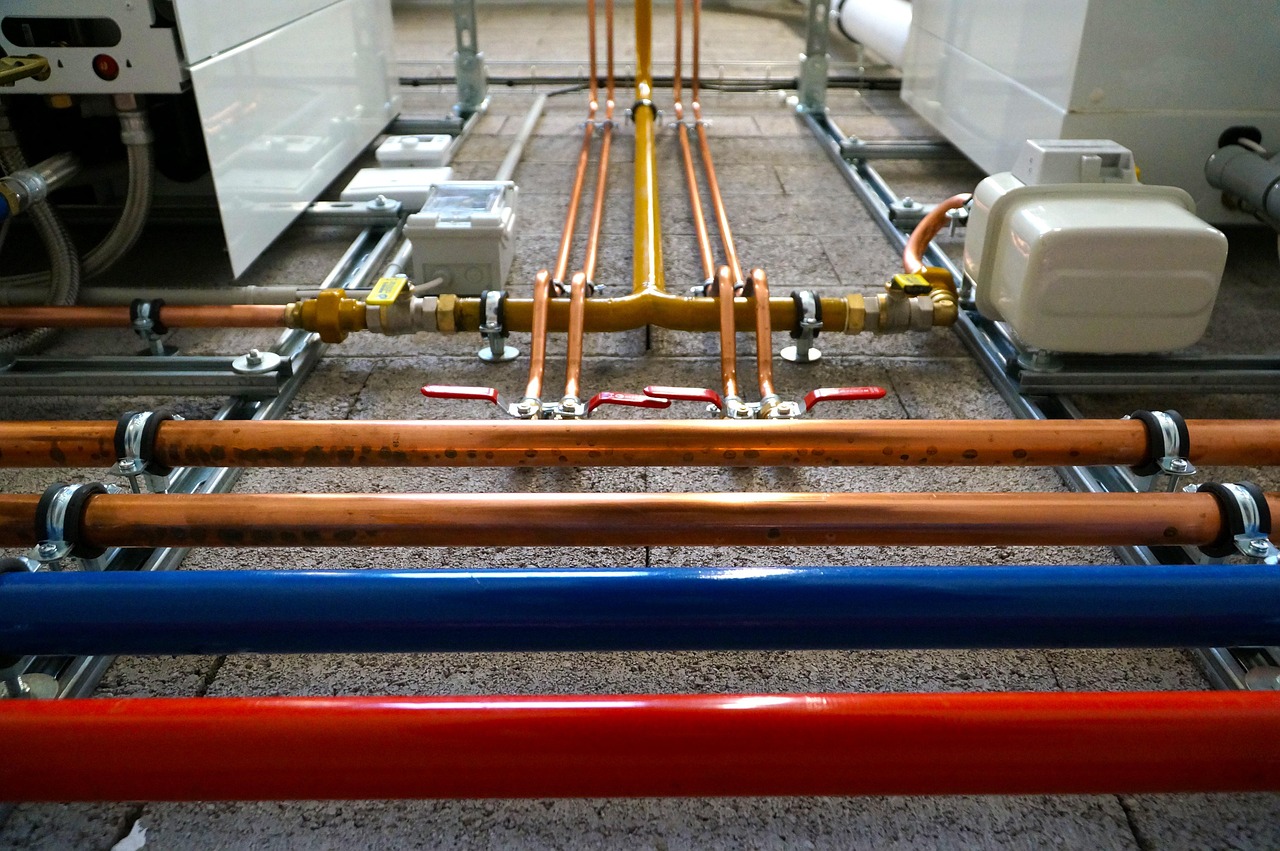
Below, you’ll find details on the red flags that signify it’s time to consider a repipe, an overview of modern piping materials, and the reasons repiping delivers benefits that no simple patch job could ever match. We’ll keep the tone straightforward but informative, mixing concise bursts of insight with deeper sections for clarity. By the end, you’ll see why a well-executed repipe addresses more than one plumbing woe—and can spare you from ongoing repair bills and water-damage nightmares.

Beyond Quick Fixes: Why Repiping Delivers Long-Term Results

When you rely on temporary fixes—patching leaks here or unclogging a blocked pipe there—you’re rarely solving the underlying issue. Many older homes rely on galvanized steel or similarly outdated materials that corrode over time, causing recurrent leaks and rust-colored water. Even certain copper lines or polybutylene piping can develop cracks that worsen under pressure. Constantly repairing these issues is like patching a tire with repeated slow leaks—you may stay on the road, but you’re never truly addressing the root cause.

Repiping takes the big-picture approach. By replacing deteriorating pipes with high-grade materials such as PEX or updated copper, homeowners sidestep cycles of patchwork fixes, reduce the risk of hidden leaks, and eliminate concerns about unseen corrosion. The outcome is a far more stable system that often improves flow rate, water quality, and overall reliability for decades.

The Hidden Costs of Chronic Plumbing Problems

Why not just keep fixing minor leaks as they appear? It might feel cheaper in the moment, but repeated repairs can quickly add up, both in direct expenses and in more indirect, long-term costs:

  1. Structural Damage
    Undetected leaks can gradually compromise walls, floors, or even a home’s foundation. By the time you see visible symptoms—like warping, drywall stains, or mold growth—the damage can be extensive and pricey to fix.
  2. Skyrocketing Bills
    Even small, unaddressed leaks can jack up your water bills significantly over time. You’re literally paying for every drip that escapes.
  3. Impact on Appliances
    Dishwashers, washing machines, and water heaters all perform at their best with stable pressure and no mineral buildup. When a home’s piping is corroded, these appliances endure more strain, which can shorten their lifespan and increase maintenance costs.
  4. Health and Safety Concerns
    Moisture fosters mold and mildew, risking indoor air quality and aggravating respiratory issues. Plus, older metal pipes might contribute to contaminants in your water supply.

By comparison, a one-time investment in repiping can wipe out the constant stress and cumulative expense of piecemeal solutions.

Pinpointing the Right Time to Repipe

When do you know it’s time to consider a full repipe rather than another spot repair? A few indicators often signal that your home’s plumbing system has outlived its safe, functional life:

  • Persistent Leaks: If you’re calling a plumber every few months for one leak or another, chances are the issue runs deeper than a single worn-out fixture.
  • Rusty or Discolored Water: Brown-tinged water often points to corrosion in galvanized steel or older iron pipes.
  • Multiple Failing Fixtures: It’s not just one slow faucet; it’s the kitchen sink, the shower, and the washing machine line all dropping in flow.
  • Visible Corrosion: If you can see rust or flaking on exposed pipe sections, the situation behind walls may be worse.
  • Outdated Materials: Homes built decades ago may contain polybutylene, which is notorious for cracking, or earlier copper lines that weren’t installed to modern standards.

Any one of these signs could suggest your pipes are on borrowed time. Instead of pouring money into ongoing maintenance, it might be far more cost-effective—and less stressful—to plan a repipe with Arizona Integrity Plumbing.

The Role of Leak Detection in a Successful Repipe

Leak detection isn’t just for emergencies. It’s a critical step in ensuring your repipe is truly comprehensive:

  • Identifying Unseen Weak Points
    Before installing any new lines, we use modern tools (thermal imaging, acoustic sensors, etc.) to locate hidden moisture or hairline fractures. This process prevents us from overlooking any leaks that could later undermine your new pipes.
  • Reducing Surprises
    By detecting all potential trouble spots beforehand, we can plan the repipe job accurately, saving you from sudden budget blowouts and time-consuming fixes down the line.
  • Protecting Your Investment
    A home with brand-new piping shouldn’t be harboring leftover leaks from the old system. Thorough leak checks confirm that your home’s plumbing “reset” is complete, boosting efficiency and preserving your peace of mind.

Material Choices: Weighing PEX vs. Copper

One of the biggest decisions in a repiping project is which material to use. Though there are multiple options, PEX (cross-linked polyethylene) and copper remain the most popular choices.

PEX

  • Flexibility: Its bendable nature cuts down on the need for multiple connectors—reducing potential leak points.
  • Corrosion Resistance: PEX doesn’t rust or develop scale, making it ideal for areas with mineral-heavy water.
  • Simple Installation: Generally requires fewer labor hours, which often reduces your installation costs.
  • Durability: Built to handle temperature fluctuations better than some older materials.

Copper

  • Time-Tested Reliability: Copper piping has been used for decades and is renowned for its longevity.
  • Antibacterial Properties: Copper naturally inhibits certain bacteria, contributing to cleaner water.
  • Heat Tolerance: It copes well with high temperatures, making copper lines excellent for hot-water applications.
  • Higher Upfront Cost: Copper tends to be more expensive and can be more labor-intensive to install.

Arizona Integrity Plumbing typically recommends a material choice based on each home’s water chemistry, your budget, and specific usage needs. Sometimes a hybrid approach—using copper in certain sections and PEX in others—can offer the best of both worlds.

Strengthening Your Home’s Value and Reliability

A properly repiped home isn’t just about solving short-term annoyances like weak flow or minor leaks; it’s a transformative upgrade that can enhance property value. Real estate agents often cite modern plumbing as a significant selling point. Buyers prefer homes that won’t saddle them with hidden repair costs and water-damaged walls. Plus, fully updated plumbing systems are less prone to emergency ruptures, which can be devastating financially and emotionally.

Repipe vs. Temporary Fixes: The Cost Equation

It’s natural to feel cautious about the expense of an extensive plumbing overhaul. But let’s do a basic cost-benefit comparison:

  • Repairs on an Older System
    Each patch might only cost a few hundred dollars, but over a span of several years, those separate bills can add up to thousands—especially if hidden leaks cause significant water damage. You also endure the stress of repeated breakdowns.
  • A Carefully Planned Repipe
    While a repipe is a bigger initial investment, it offers long-lasting results: fewer future repairs, better water efficiency, and a greatly reduced risk of catastrophic pipe failures. In many cases, the overall financial layout proves cheaper over the life of the system.

Essentially, you’re choosing between many smaller—and often unpredictable—bills or a single, more substantial but far more effective outlay.

The Process: How Arizona Integrity Plumbing Approaches Repiping

  1. Initial Consultation and Inspection
    We examine exposed piping, scan for internal leaks with advanced detection tools, and discuss your concerns—whether it’s unexplained water spots or frequent fixture malfunctions.
  2. Customized Plan
    Our team crafts a blueprint detailing which sections of your plumbing need replacement, identifying high-risk areas, and recommending specific materials based on your home’s unique layout.
  3. Professional Installation
    We remove corroded or outdated lines and install new pipes with careful attention to sealing and joint stability. We also work to minimize disruptions by scheduling tasks efficiently.
  4. System Testing
    After installation, we test pressure levels, check each connection, and conduct a final leak-detection sweep to confirm that everything works as intended.
  5. Clean-Up and Restoration
    Any opened walls or floors are restored to their pre-installation condition. We also provide guidance on ongoing maintenance, so you can keep your new system in top shape.

The Broader Payoff of a Repipe

  • Enhanced Water Quality: No more corroded-metal taste or sediment in your drinking water.
  • Stronger Flow Where It Counts: Enjoy consistent performance for showers, dishwashers, and washing machines.
  • Peace of Mind: With newer pipes, you’re significantly less likely to deal with floods or sudden line failures.
  • Long-Term Savings: Reduced water loss through leaks and minimal ongoing maintenance.
  • Increased Home Value: Prospective buyers are often willing to pay more for a house with updated plumbing.

Don’t Let Old Pipes Control Your Home’s Future

If you’re weary of recurring plumbing issues—or concerned about the hefty damage a single concealed leak can cause—repiping offers a forward-thinking fix. By upgrading your home’s plumbing network as a whole, you’re removing the systemic flaws that have been driving leaks, staining your water, and potentially putting your foundation at risk.

Why Repiping Is the Ultimate Plumbing Upgrade

Weak water pressure and recurring plumbing issues aren’t inevitable—not when repiping offers a permanent solution. By replacing corroded pipes with modern, high-performance materials and leveraging expert leak detection, you protect your home from hidden risks, boost water efficiency, and reclaim powerful, reliable water flow.

At Arizona Integrity Plumbing, we specialize in delivering high-quality repiping services that prioritize your comfort and peace of mind. From advanced leak detection methods to expert craftsmanship in PEX or copper installation, our approach eliminates short-term fixes in favor of lasting results.

Ready to enjoy steadfast water pressure and fewer plumbing headaches? Contact The Repipe Expert™ today and discover how our comprehensive repiping services can transform your home’s entire plumbing system.