Local Number

480-274-9662

Cost vs. Value: How a Repipe Specialist Saves You Money in the Long Run

Your home’s plumbing is out of sight—until it isn’t. A hidden slab leak or corroded branch line can drain thousands into foundation repairs, mold remediation, and emergency service calls before you even notice wet carpet. In Phoenix’s punishing environment—hard water, extreme temperatures, and shifting soils—aging piping systems accelerate these costs and magnify every failure. But the real question isn’t “How much will a full repipe cost?” It’s “How much will you save by doing it right the first time with a repipe specialist?”

Below, we break down the true cost versus the long-term value of specialist repiping, illustrating how an upfront investment delivers outsized savings on utilities, repairs, and home value—plus the priceless benefit of total peace of mind.

The True Cost of Aging Plumbing

Most homeowners only notice their plumbing when a leak becomes visible—dripping faucets, a damp patch on the ceiling, or a stubborn clog. Yet that’s the tip of the iceberg.
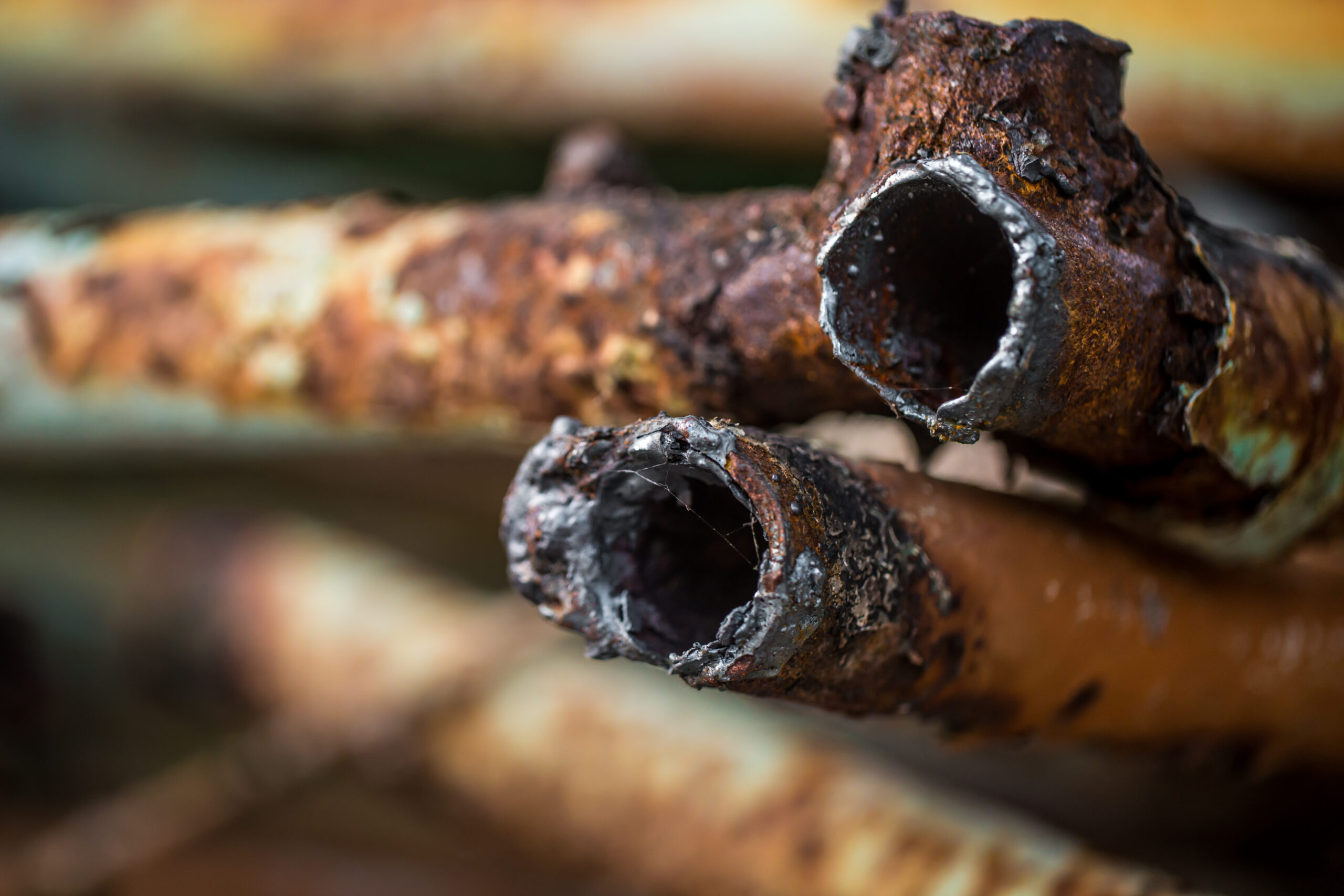
Beneath your floors and behind your walls lies an intricate network of supply and drain lines, each one vulnerable to wear, corrosion, and failure. Ignoring the warning signs of aging piping systems in Phoenix can lead to cascading expenses far beyond what you’d imagine:

Hidden Water Waste

Water silently escaping from pinhole leaks or deteriorated joints isn’t just an environmental concern—it’s a significant financial drain. Research indicates that 10–20% of residential water use in the U.S. leaks away each year through unseen drips and micro-fissures. In Phoenix, where municipal water averages $6 per 1,000 gallons, even a modest slab leak leaking five gallons per hour translates to over 43,000 gallons annually—more than $250 added to your utility bills for a leak you never saw. Multiply that by several undetected leaks, and you’re hemorrhaging water and money. By contrast, a specialist-led repipe eradicates these stealth losses at their source, instantly reducing your monthly bills and recouping a portion of the installation cost within the first few billing cycles.

Structural & Foundation Damage

The hidden threat of slab leaks extends beyond your wallet; it undermines your home’s very foundation. Continuous water flow beneath a concrete slab erodes supporting soils, leading to differential settlement—one area of your home sinks more than another—resulting in hairline to major foundation cracks.

The cost to repair these cracks alone can range from $8,000 to $12,000 in Phoenix, not including the domino effect of warped tile, buckled hardwood, or compromised drywall that water migrates into. An expert repipe proactively removes all plumbing runs embedded in the slab, replacing them with above-ground or sub-slab PEX lines routed through accessible conduits. That preventative measure can save tens of thousands in structural remediation and preserve your home’s resale value.

Mold & Health Hazards

Persistent moisture is the perfect incubator for mold spores and mildew, which feed on organic building materials behind walls and under flooring. Once mold takes hold, remediation isn’t cheap: localized infestations cost $2,500–$4,000 to eradicate, while widespread growth can push cleanup bills past $10,000.

Beyond the structural damage, mold spores pose serious health risks—triggering allergies, respiratory issues, and exacerbating conditions like asthma. Repiping specialists leverage advanced leak-detection technologies—infrared scans to reveal hidden moisture and acoustic locators to “hear” water behind finishes—catching leaks before mold colonies form. By securing every joint and replacing all compromised lines, they break the moisture cycle that fuels mold growth, protecting both your home and your family’s well-being.

Recurring Repair Calls

Each time a general plumber patches a leak, you pay $200–$350 for labor and parts—only to find another drip a few weeks later. Homeowners averaging three of these emergency visits annually can easily spend $900 or more each year, dwarfing the yearly cost of a comprehensive repipe.

Worse, patch repairs leave the broader network weakened and prone to future failures. In contrast, a specialist repipe removes every corroded, brittle, or undersized segment in a single project, backed by 10–25 year labor and materials warranties. No more repeat service calls. One strategic investment eliminates the cycle of costly band-aid fixes and delivers plumbing reliability you can count on.

Why a Repipe Specialist Beats a Quick Fix Every Time

When a leak makes itself known, most homeowners pick up the phone for a general plumber. Yet these professionals, trained for a broad range of plumbing tasks, often lack the specialized tools and holistic approach required to solve system-wide failures. A repipe specialist, however, brings a future-proof methodology that transforms your entire water infrastructure:

System-Wide Diagnostics

General leak calls typically rely on visible signs or simple pressure checks. Repipe specialists deploy an arsenal of cutting-edge diagnostics to map your entire network before a single pipe is cut:

  • Infrared Moisture Scans: High-resolution thermal imaging exposes discrepancies as small as two degrees, identifying moisture pockets behind drywall, beneath tile, or within ceiling cavities—often days before visible staining appears.
  • Acoustic Leak Locators: By placing sensitive contact microphones on accessible pipes and ground probes across slabs, specialists “listen” for the characteristic hiss of pressurized water escaping—even through several inches of concrete—pinpointing leaks within a few inches of accuracy.
  • Video Pipeline Inspection: Flexible CCTV cameras traverse your drain and sewer lines, logging footage of corrosion, root intrusion, or collapsed segments that, if left unaddressed, can lead to backups and sanitary hazards.

By combining these methods, a repipe specialist uncovers every compromise—ensuring no hidden threat remains to haunt your home.

Purpose-Built Material Selection

Not all pipes are created equal. Phoenix’s combination of hard water, high UV exposure, and temperature swings demands materials chosen to survive specific conditions:

  • PEX Grades: Specialists select high-performance PEX blends with scale inhibitors engineered for mineral-heavy water. PEX’s innate flexibility also absorbs thermal expansion, preventing the cracking that rigid pipes experience under Phoenix’s brutal heat.
  • Type L Copper: Where hot-water loops or exposed runs require metal, specialists specify corrosion-resistant copper tubing rated for 50+ years, leveraging its natural antimicrobial properties to inhibit bacterial growth in warm lines.
  • Precision Fittings: Proper dielectric unions and stainless-steel transition couplings eliminate galvanic corrosion at metal junctions—another nuance that general plumbers may overlook but that ensures every joint stands the test of time.

Strategic Distribution Design

A specialist’s design transcends the “fix and leave” mindset, creating an integrated system optimized for performance and maintenance:

  • Manifold “Home-Run” Layouts: Instead of the traditional branching network, each fixture receives a dedicated supply line from a central manifold, eliminating cumulative pressure loss at every tee and reducing the risk of leaks at multiple junctions.
  • Pressure Zoning: Multi-story or sprawling homes benefit from zone-specific regulators or booster pumps, delivering balanced pressure across every level without over-pressurizing lower floors.
  • Integrated Recirculation Loops: Point-of-use recirculation systems ensure instant hot water at distant fixtures, cutting water waste and thermal stress on your main heater—an energy-saving feature absent from standard installations.

Embedded Monitoring & Warranty

A repipe specialist doesn’t simply walk away after installation—they future-proof your system with built-in intelligence and rock-solid guarantees:

  • Flow Sensors & Alerts: Installed at manifolds or high-risk zones, these detectors identify abnormal flow patterns—often the first indicator of a developing leak—and send real-time notifications.
  • Continuous Pressure Transducers: By logging pressure trends, these sensors detect creeping regulator failures or micro-leaks before they become failures.
  • Automated Shutoff Valves: In case of catastrophic breaks, these electrically or hydraulically actuated valves isolate affected zones within seconds, minimizing water loss and property damage.
  • Extended Warranties: Labor and materials warranties spanning 10–25 years underscore the specialist’s commitment to quality, providing financial protection that outlives the typical one-year guarantee of general plumbing services.

While a quick patch might stop a visible drip, it does nothing to shore up the entire network or prevent the next failure from occurring mere weeks later.

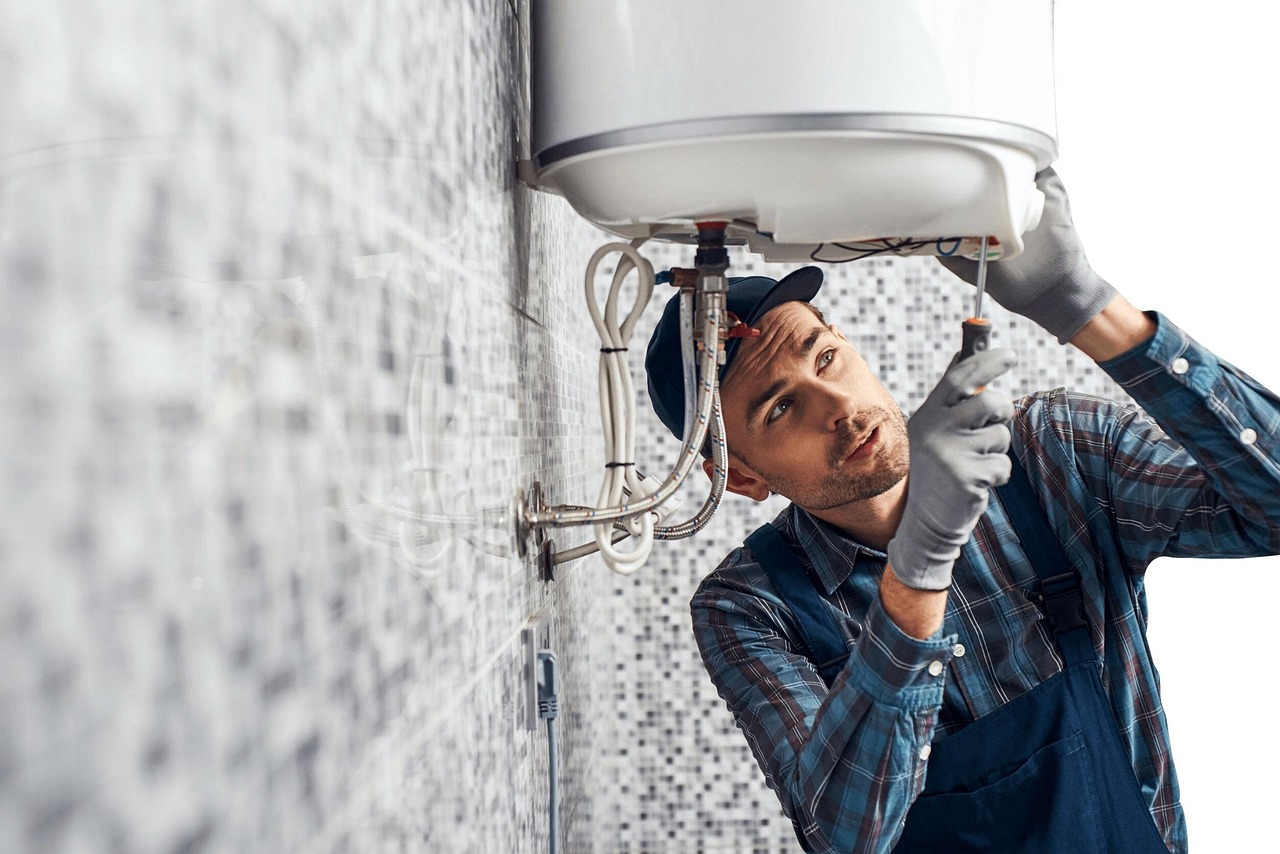
Plumber using a power tool to install PEX piping during a repiping project in a home under construction in Phoenix, AZ.

A repipe specialist’s holistic methodology—from advanced diagnostics and tailored material selection to strategic design and embedded monitoring—yields a plumbing system that operates flawlessly under Phoenix’s toughest conditions for decades, slashing your long-term costs on utilities, repairs, and health-related expenses.

Upfront Investment: Breaking Down Repiping Costs

Understanding the financial commitment for a full-home repipe helps you budget confidently—and see why this specialist-led approach outperforms repeated band-aid fixes. While every property has unique factors (square footage, number of bathrooms, slab vs. crawlspace foundation), here’s a deeper look at each cost component in the Phoenix metro area:

  1. Materials (PEX or Copper): $2,000 – $5,000
    • PEX Options: Cross-linked polyethylene tubing in ½″, ¾″, and 1″ diameters. PEX-A variants with added scale inhibitors are priced at the higher end of this range.
    • Copper Options: Type L copper for interior runs; Type K for underground sections. Includes the cost of dielectric fittings to prevent galvanic corrosion where copper meets other metals.
    • Supporting Hardware: Manifolds, shut-off valves at each fixture, pressure regulators, and expansion loops for PEX.
  2. Advanced Leak Detection: $500 – $1,200
    • Infrared Thermal Imaging: Scans entire walls and slabs, pinpointing hidden moisture up to several feet deep.
    • Acoustic Leak Location: Contact microphones and ground probes isolate subsurface drips to within 2–4 inches.
    • Video Pipeline Inspection (Optional): Push-rod cameras traverse sewer lines to identify root intrusion or collapsed sections, informing concurrent drain repairs.
  3. Labor & Surgical Access: $3,000 – $7,000
    • Selective Access Cuts: Targeted drywall, ceiling, or subfloor openings—minimizing demolition and preserving finishes.
    • Pipeline Removal & New Line Installation: Skilled technicians remove old pipes and install new lines with precision crimping or soldering.
    • Onsite Project Management: Daily coordination, quality inspections, and adherence to safety protocols.
  4. Environmental Controls: $300 – $800
    • Dust & Debris Containment: Negative-pressure tents, HEPA-filtered air scrubbers, and zip-wall partitions protect your living spaces.
    • Surface Protection: Multi-layer drop cloths, floor runners, and furniture covers safeguard floors and belongings throughout the project.
  5. Drywall & Finish Restoration: $1,500 – $3,500
    • Drywall Patching & Texture Matching: Seamless repairs in orange peel, knockdown, or specialty plasters.
    • Precision Painting & Trim Work: Color-matched primers and topcoats; reinstallation of baseboards, casings, and crown mouldings with hair-fine joints.

Final Deep-Clean: Microfiber wiping and industrial-grade vacuuming eliminate every trace of construction dust.

Total Estimated Cost: $7,300 – $17,500

These figures reflect a turnkey, specialist-led repipe—complete with diagnostics, premium materials, meticulous installation, and flawless restoration.

Long-Term Savings That Outpace the Initial Outlay

An expert repipe transforms your plumbing from a maintenance burden into a money-saving asset. Here’s how those upfront dollars generate returns over decades:

  1. Slashed Utility Bills

    • Water Savings: Eradicating hidden leaks can save 10,000+ gallons annually—$60–$80 at Phoenix water rates.
    • Energy Savings: Consistent hot-water circulation and insulated lines reduce water-heater runtime by up to 20%, saving $100–$200 per year on gas or electricity.
  2. Fewer Reactive Repairs

    • Warranty-Backed Work: With labor and materials warranties spanning 10–25 years, you avoid recurring service calls ($200+ per visit) for the same issue.
    • No More Patchwork Fees: Eliminates dozens of $200-$300 band-aid repairs that plague aging pipe networks.
  3. Avoided Catastrophic Damage

    • Foundation Protection: Proactive slab-line replacement sidesteps $10,000–$20,000 in foundation and structural repairs.
    • Mold Remediation: Moisture control prevents mold outbreaks—sparing you $3,000+ per infestation and associated health-care costs.
  4. Extended Appliance Life

    • Scale-Free Water Flow: Modern piping prevents mineral buildup in dishwashers, washing machines, and tankless heaters—potentially adding 3–5 years to appliance lifespans ($500–$1,000 in deferred replacements).
    • Stable Pressure: Eliminates stress on water-powered fixtures and valves, reducing premature failures.
  5. Enhanced Property Value

    • Higher Sale Prices: Homes with documented specialist repipes can command 3–5% higher offers; on a $400,000 property, that’s $12,000–$20,000 in added value.
    • Faster Transactions: Certified repipe documentation removes inspection red flags, cutting days on market by 20–30%.

Cumulative 20-Year Impact:

When you factor in water and energy cost reductions, avoided repairs, foundation protection, extended appliance warranties, and increased home equity, the total long-term savings often double or triple the initial repipe investment—making a specialist-led overhaul the smartest financial decision for Phoenix homeowners.

Making the Smart Choice: Specialist Repiping

When you weigh the hidden—and mounting—costs of aging plumbing against the transformative benefits of a specialist-led repipe, the decision becomes crystal clear.
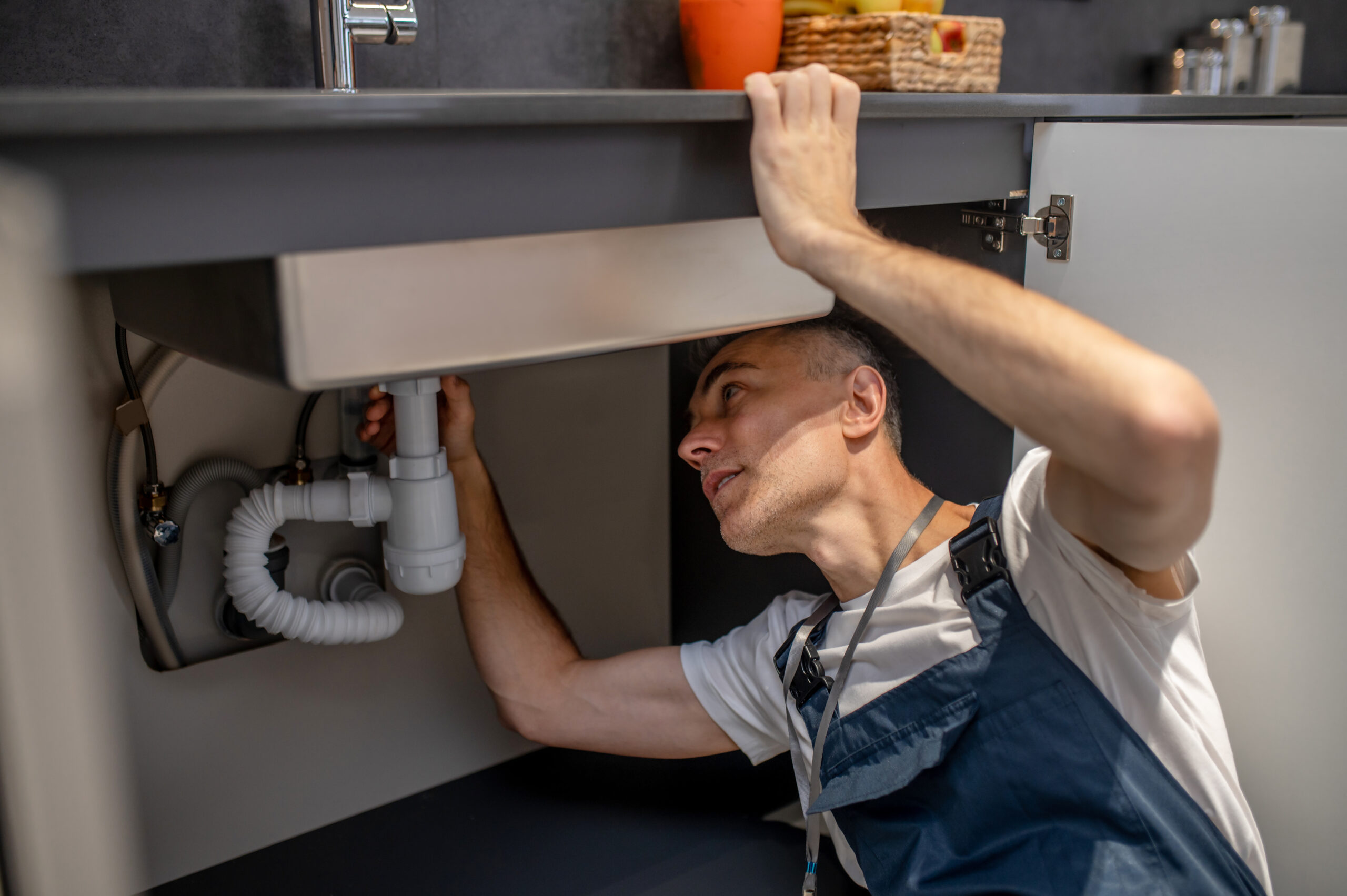
A repipe specialist isn’t just another plumber; they are highly trained experts who approach your home’s entire water distribution network as a unified system, designed to deliver lasting efficiency, reliability, and peace of mind.

  • Complete Leak Elimination vs. Repeated Patchwork: Patch repairs treat symptoms. A repipe specialist uncovers every hidden vulnerability—pinpointing micro-leaks beneath slabs, behind walls, and above ceilings using infrared thermal imaging, acoustic leak locators, and pressure-decay diagnostics. By replacing every corroded, brittle, or under-sized section with premium PEX or Type L copper, you eradicate recurring drips and emergency service calls. No more Band-Aid fixes; you get a comprehensive, guaranteed leak-free plumbing network.
  • Optimal Hydraulic Performance vs. Fluctuating Pressure: An expertly engineered manifold “home-run” layout ensures each fixture receives dedicated, full-flow supply lines. Combined with properly sized main feeds and zone regulators, this design eliminates the common pressure drops that plague aging, branched systems. The result? Powerful, consistent water pressure at every faucet, shower, and appliance—day in, day out—without resorting to expensive booster pumps or repeated regulator adjustments.
  • Long-Term Warranty & Monitoring vs. Reactive Emergency Calls: Most general plumbing warranties last 30 days. Repipe specialists back their work with labor and materials warranties spanning 10–25 years, reflecting their confidence in quality installations. They also integrate smart monitoring solutions—flow-interruption detectors, pressure transducers, and automated shutoff valves—that deliver real-time alerts at the first sign of a future leak. This proactive approach replaces surprise service calls with scheduled maintenance, transforming plumbing from a liability into an asset.
  • Enhanced Home Value & Marketability vs. Cosmetic Remodels Alone: Homebuyers recognize the value of modern, professionally repiped systems. Documented specialist repipes increase property value by 3–5% and accelerate sale timelines by removing inspection contingencies tied to outdated piping materials like galvanized steel or polybutylene. In a competitive Phoenix real-estate market, offering a home with a certified repipe is a powerful differentiator—boosting buyer confidence and commanding top dollar.

By adopting the repipe specialist mindset, you convert your plumbing from an ongoing expense center into a strategic investment. You save thousands on water and energy bills, avoid tens of thousands in structural and mold repair, extend appliance life, and elevate your home’s market appeal—all while securing decades of worry-free performance.

Ready to Lock In Lifetime Savings?

Partner with Arizona Integrity Plumbing, your trusted repipe specialist, and take control of your home’s plumbing future:

  1. Schedule a Comprehensive Leak Detection Assessment
    • Uncover every hidden threat with infrared, acoustic, and pressure-decay testing.
  2. Receive a Transparent, No-Obligation Repiping Estimate
    • See a detailed breakdown of materials, labor, and restoration—no surprises.
  3. Secure Flexible Financing Options
    • Low monthly payments make specialist repiping accessible and budget-friendly.
  4. Enjoy Decades of Worry-Free Plumbing Performance
    • Benefit from long-term warranties, embedded smart monitoring, and unparalleled expertise.

Don’t settle for stopgap solutions. Call 480-274-9662 or visit our Contact Page today. Discover how the right repipe specialist not only revamps your plumbing system but also maximizes your savings and protects your most valuable asset—your home—for generations to come.

Repipe Specialist Secrets: Leak Detection & Proactive Plumbing Design

Your plumbing system is the unseen backbone of your home—yet out of sight should never be out of mind. In Phoenix, where water chemistry is unforgiving, summer temperatures routinely top 110°F, and clay soils shift beneath concrete slabs, a single hidden drip can trigger a cascade of destructive events: mold colonizing wall cavities, joists softening beneath damp floors, or even subtle foundation heaving that permanently cracks tile and drywall. When a general plumber patches that visible leak, the relief is temporary; the true culprit—whether corroded pipe interiors, pinhole fractures in brittle plastic, or settling-induced joint stress—remains undetected, ready to strike again.

Repipe specialists operate on an entirely different level. They don’t merely react to today’s symptom; they hunt down every vulnerability in your water network, then rebuild and future-proof the entire system. Their secret weapons are advanced leak detection methods—tools and techniques that reveal concealed defects long before they manifest as leaks. Combined with a forward-looking, data-driven design approach, these diagnostics ensure your new piping network withstands decades of Phoenix’s harshest conditions.

Uncovering Every Hidden Leak

Most plumbers stop at the drip you can see or hear. A repipe specialist delves much deeper, employing multiple, complementary technologies to map the true health of your entire plumbing infrastructure:

Infrared Thermal Imaging

High-resolution thermal cameras scan every accessible wall, ceiling, and floor surface. Even a two-degree temperature difference betrays the presence of moisture wicking through drywall or seeping beneath tile. Early wet spots glow in stark contrast against dry substrates, allowing the specialist to pinpoint leaks days or weeks before mold colonies become established or structural materials degrade.

Acoustic Leak Detection

Sophisticated listening devices transform walls, floors, and ground into giant sonar arrays. Contact microphones clamp onto metal or plastic pipes, while probe heads rest against concrete slabs. Technicians “tune in” to the unique high-frequency hiss of pressurized water escaping narrow fractures. This technique locates hidden slab leaks or behind-wall drips to within inches—no jackhammers, no unnecessary demolition.

Pressure-Decay Testing

Your home’s plumbing network is intelligently sectioned into manageable zones—kitchens, bathrooms, laundry, outdoor spigots. Each zone is isolated with temporary test plugs, pressurized to standard municipal levels, and monitored over a set interval. A loss of as little as 1–2 psi over fifteen minutes signals a micro-leak, guiding the specialist to replace or reinforce the affected run before visible damage occurs.

Video Pipeline Inspection

Even drain and sewer lines can conceal critical defects. Flexible push-rods fitted with high-definition CCTV cameras traverse every bend and drop, capturing real-time footage of corrosion, mineral scale buildup, root intrusion, or partial collapses. These recordings become part of a comprehensive service report, informing the repipe strategy to include targeted drain remediation alongside supply line replacement.

By layering these diagnostic modalities, repipe specialists don’t just react to the leak you call about—they chart every weakness in your plumbing, replacing the entire compromised network rather than chasing one symptom at a time. The result is a water system reborn: leak‐proof, mold‐resistant, and engineered to perform flawlessly in the desert for decades to come.

Material Mastery: Selecting Pipes Engineered for Phoenix’s Extremes

In Phoenix, where municipal water regularly tests above 200 ppm hardness and summer temperatures routinely exceed 110 °F, your choice of piping material makes or breaks a repipe’s longevity and performance. A repipe specialist begins by mapping your home’s water profile—collecting samples at outdoor hose bibs, kitchen sinks, and laundry faucets to measure calcium, magnesium, pH, and chloride levels. This granular mineral analysis drives every material decision, ensuring your new system resists scale, corrosion, and thermal stress.

PEX (Cross-Linked Polyethylene)

  • Engineered Scale Resistance: High-grade PEX formulations undergo cross-linking processes that smooth polymer chains, preventing calcium and magnesium crystallization. In field tests, scale-resistant PEX retained over 95 % of its inner diameter after simulated hard-water flushing equivalent to 20 years of use.
  • Thermal Expansion Capacity: PEX expands up to 8 % under severe heat without developing microfractures—crucial when attic-mounted lines see rapid day-to-night swings from 140 °F to 70 °F. This elasticity virtually eliminates burst risks in freeze-thaw events or solar heat spikes.
  • Installation Efficiency: With bend radii as little as five times the pipe diameter, PEX runs reduce elbow and tee counts by up to 60 %. Fewer fittings translate directly into fewer potential leak paths and faster labor times, cutting overall project costs.

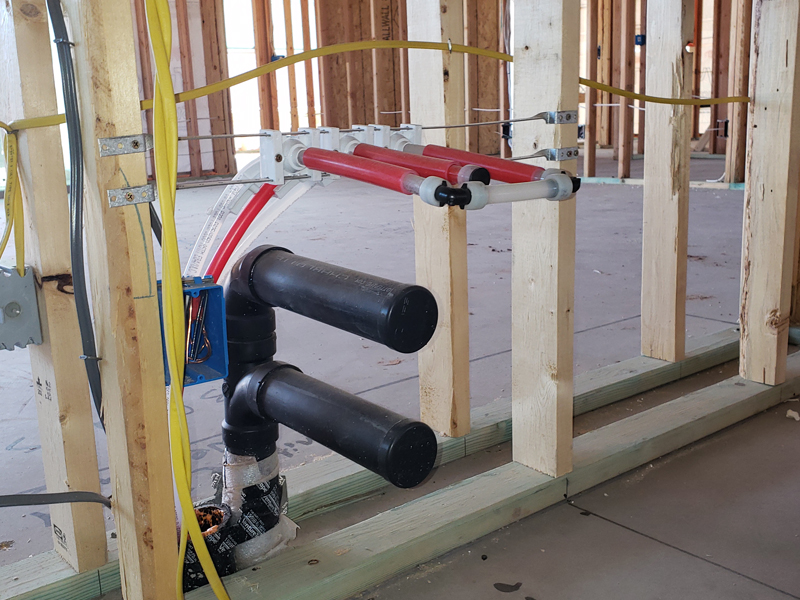
New kitchen PEX repipe

High-Purity Copper (Type L or K)

  • Natural Antimicrobial Action: Copper ions inhibit biofilm formation, protecting hot-water loops where bacterial growth thrives. Independent studies show copper piping reduces microbial counts by 85 % compared to plastic under identical conditions.
  • Half-Century Durability: Well-installed Type K copper can last 50 – 80 years even in soils with moderate chloride content. Its rigid structure resists rodent damage and external loads, ideal for semi-exposed garage or attic runs.
  • UV & Heat Tolerance: Unlike many plastics, copper sustains its mechanical integrity at surface temperatures above 150 °F—critical for pipes routed through unconditioned spaces under desert sun.

Stainless-Steel & Brass Transition Fittings

  • Galvanic Corrosion Prevention: When joining copper to galvanized steel remnants or steel shut-off valves, specialists employ stainless-steel dielectric unions and high-precision brass couplings. These fittings isolate dissimilar metals, preventing electrical current pathways that accelerate corrosion.
  • Precision Machining & Sealing: High-tolerance threading and O-ring seals ensure zero-leak connections, backed by the repipe specialist’s quality-control protocols, including torque-verification and thread-sealant inspections.

By marrying detailed water-chemistry data with material science, repipe specialists craft bespoke piping networks that shrug off Phoenix’s toughest water and climate stresses—ensuring decades of clear, powerful flow without scale, leaks, or microbial concerns.

Proactive Plumbing Design: Architecting a Resilient Network

A repipe specialist moves beyond simple repairs to engineer your plumbing as a high-performance infrastructure. Their design philosophy rests on three pillars—distribution efficiency, seamless maintenance access, and dynamic pressure-temperature control—transforming reactive patching into future-proof architecture.

Optimized Flow Distribution

  • Manifold “Home-Run” Layout: Each fixture (sinks, showers, toilets) gets its own dedicated line from a central manifold—eliminating the cumulative pressure drops inherent in traditional branching. With manifold systems, a simultaneous run of multiple fixtures doesn’t compromise pressure at any outlet, delivering consistent flows even during peak demand.
  • Loop vs. Branch-and-Loop Hybridization: For large estates or multi-unit dwellings, specialists combine continuous looped circuits—where water circulates back to the manifold for uniform temperature retention—with branch-and-loop “trunks” that minimize redundant piping. This hybrid approach balances material efficiency with performance reliability.

Built-In Accessibility & Maintenance

  • Strategic Valve Placement: Shut-off valves are installed at every sink, lavatory, shower, and appliance. This grid of local isolation points empowers homeowners and technicians to service any fixture without interrupting water to the rest of the house—reducing downtime and avoiding emergency water shut-offs.
  • Cleanouts & Access Panels: Every major change of direction in drain lines is paired with a cleanout port, while hidden junctions behind drywall receive flush-mounted access panels. These features transform formerly invasive future inspections or repairs into simple, non-destructive procedures.

Thermal & Pressure Management

  • Point-of-Use Recirculation Loops: Specialists integrate insulated recirculation lines with smart pumps and thermostats at distant fixtures. Homeowners enjoy near-instant hot water, slashing wasted gallons and reducing thermal stress on primary water heaters and piping.
  • Zoned Pressure Regulation: In two-story homes or sprawling properties, the system divides into discrete pressure zones, each governed by a dedicated regulator or booster pump. This zoned approach delivers balanced pressure—from basement laundry rooms to attic bathrooms—while minimizing noise, water hammer, and undue joint stress.

By applying these proactive design strategies, repipe specialists create plumbing networks that operate at peak efficiency from day one—delivering spotless, high-volume flows, simplified maintenance, and adaptability for future expansions or smart-home integrations. Your repipe becomes not merely a repair, but a strategic upgrade that raises the bar on performance and peace of mind.

Surgical Installation & Flawless Restoration

When decades of hidden leaks and corroded pipes are at stake, repipe specialists deploy precision techniques that preserve your home’s integrity. They execute every step with surgical accuracy, combining targeted access, environmental safeguards, and turnkey restoration to deliver a seamless experience.

1. Precision Access Without Chaos

  • Custom Panel Doors
    • Installed behind cabinetry and in closets, these magnetic or flush‐mounted doors grant instant entry to entire pipe runs.
    • Technicians map the network first, ensuring each panel aligns exactly with existing joists or studs, so there’s zero guesswork.
  • Core‐Drilled Subfloor Ports
    • Using diamond‐tipped bits, specialists drill 4–6″ holes through concrete slabs in non‐structural zones.
    • This method avoids expansive trenching and protects tile, grout lines, and foundation integrity.
  • Selective Ceiling & Wall Openings
    • Small, strategically placed access panels in attic spaces or behind wall-mounted fixtures allow full repipe coverage.
    • Panels are dimensioned to the minimum size needed, reducing demolition and preserving architectural details

Plumber using a power tool to install PEX piping during a repiping project in a home under construction in Phoenix, AZ.

2. Protecting Your Home Environment

  • Layered Surface Protection
    • Multi-layer drop cloths, floor runners, and adhesive film shield hardwood, tile, and carpet.
    • Furniture is wrapped or relocated to safe zones under clear communication protocols.
  • Continuous Air Quality Monitoring
    • Portable air scrubbers with HEPA filtration cycle the work area air every 5–10 minutes.
    • Real-time particle counters ensure airborne debris remains below breathing-level thresholds.

3. One‐Pass, Turnkey Restoration

  • Drywall & Texture Mastery
    • After piping is installed and pressure-tested, artisan drywall crews restore panels with exact texture matches—whether orange-peel, knockdown, or custom Venetian finishes.
    • Joints are feathered with joint compounds that shrink minimally, ensuring no telltale seams or bulges.
  • Precision Painting & Trim Reinstallation
    • Color-matched primer and paint are applied using sprayers and rollers to achieve uniform coverage.
    • Baseboards and crown molding are reinstalled with mitered corners so tight that even a 4× magnifier shows no gaps.
  • Final Deep Cleaning
    • Industrial-grade microfiber tools and backpack vacuums remove all settled dust.
    • Technicians perform a multi-point walkthrough, wiping surfaces and inspecting finishes under daylight-equivalent lighting to confirm zero residue.

Smart Monitoring & Ongoing Peace of Mind

A repipe specialist’s job extends beyond installation. By embedding intelligent sensors and establishing preventive maintenance routines, they transform your plumbing into a self-protecting system.


1. Embedded Leak Detection Technologies

  • Flow-Interruption Sensors
    • Mounted at central manifolds and high-risk branches, these sensors establish a baseline “normal flow” profile for each zone.
    • Real-time analysis flags deviations as small as 0.1 gallons per minute, triggering immediate alerts before water damage begins.
  • Pressure Transducer Arrays
    • Installed at service entry and each major zone, these transducers log pressure every second.
    • A proprietary analytics engine detects patterns—such as slow pressure decay or rapid spikes—indicating latent weaknesses or impending valve failures.
  • Integration with Home Networks
    • All sensor data streams into a secure cloud platform accessible via smartphone app or web dashboard.
    • Homeowners receive push notifications and can view live graphs of flow and pressure metrics, keeping them informed even while traveling.

2. Automated Emergency Safeguards

  • Motorized Shutoff Valves
    • When a major breach is detected, these valves instantly isolate the compromised zone, limiting water loss to under one gallon per event.
    • System logs record the exact time, duration, and location of the auto‐shutdown for technician diagnostics.
  • Fail-Safe Redundancies
    • Dual-valve configurations at each manifold ensure one valve’s mechanical failure cannot block a necessary zone.
    • Battery backup systems guarantee valve operation even during power outages.


3. Scheduled Preventive Maintenance

  • Annual Comprehensive Audits
    • Specialists revisit your home yearly to recalibrate sensors, recalibrate regulators, and re-verify pressure and flow against original “as-built” benchmarks.
    • Detailed condition reports highlight any component degradation—so you can budget proactively.
  • Biannual Flow Verification
    • Using calibrated flow meters, repipe specialists measure actual GPM at every fixture and compare it to municipal supply ratings, catching scale buildup or blockages early.
  • Component Lifecycle Management
    • Pressure regulators, sensor modules, and mechanical valves are maintained or replaced per manufacturer-recommended lifespans, ensuring zero unexpected breakdowns.

By combining surgical installation, precision environmental controls, and proactive intelligence, repipe specialists deliver not just a new plumbing network but a living, self-monitoring system. This paradigm shift from reactive repairs to proactive resilience gives Phoenix homeowners decades of worry-free water service—and unparalleled peace of mind.

The Long-Term Value of Specialist Repiping

Investing in a full-home repipe by a certified repipe specialist isn’t merely an expense—it’s a strategic decision that pays dividends for decades. Here’s how this comprehensive upgrade compounds value over time:

1. Significant Utility Savings

  • Elimination of Hidden Water Losses: Studies show average homes lose between 10–20% of water to undetected leaks. A repipe specialist locates and replaces every corroded or compromised segment, instantly stopping this waste.
  • Improved Hydraulic Efficiency: Smooth-bore PEX and clean copper lines maintain optimal flow, reducing pump and heater runtime by up to 15%. That translates to measurable cuts in both water and energy bills—often recouping a portion of the repipe cost within a few years.
  • Smart Flow Control Integration: When paired with recirculation loops and pressure regulators, specialist repipes minimize water heater idle times and eliminate rush-hour pressure spikes, further trimming utility consumption.

2. Extended Appliance Lifespan

  • Consistent, Corrosion-Free Water Supply: No more mineral scale fouling heat exchangers or clogging spray nozzles. By delivering pristine, scale-resistant water, modern piping preserves the efficiency and longevity of dishwashers, washing machines, and tankless water heaters.
  • Stable Pressure Protects Seals and Valves: Fluctuating pressure stresses appliance fittings and internal seals. The balanced distribution achieved by manifold systems prevents these pressure shocks, reducing service calls and premature component failures.

3. Maximized Home Value

  • Certified Whole-Home Repipes as a Selling Point: Realtor surveys indicate that homes with documented, under-warranty repipes command up to 5% higher sale prices—and sell 20% faster—than those with aging, patch-repaired systems.
  • Elimination of Inspection Red Flags: Buyers and inspectors no longer balk at obsolete galvanized, polybutylene, or Kitec lines. Your home boasts a modern infrastructure, easily passing municipal and lender requirements without costly last-minute fixes.

4. Decades of Reliability

  • Premium Materials Backed by Manufacturer Warranties: Top-tier PEX and copper systems feature warranties of 25–50 years on materials, plus labor guarantees from the repipe specialist.
  • Embedded Monitoring for Early Issue Detection: Flow detectors, pressure sensors, and automated shutoff valves mean that even the smallest future leak triggers an alert—preventing a minor fault from escalating into a major repair.
  • Predictable Maintenance vs. Reactive Emergencies: Scheduled preventive inspections replace surprise emergency service calls, allowing you to budget modest annual upkeep rather than unforeseen five-figure disasters.

Together, these benefits compound: lower bills, fewer repairs, higher resale value, and a plumbing system that remains robust and reliable long after the initial investment.

Ready to Transform Your Home’s Plumbing? Partner with a Repipe Specialist Today

Don’t let another day of leaks, scale, and pressure woes erode your comfort, safety, and wallet. Arizona Integrity Plumbing stands ready to apply our specialist expertise to your home:

  1. Schedule Your Comprehensive Leak Detection Survey

    • Infrared, acoustic, and pressure-decay diagnostics pinpoint every hidden vulnerability—no guesswork, no missed threats.
  2. Receive a Customized Repiping Blueprint

    • Transparent material recommendations, manifold-based distribution designs, and a phased, no-obligation installation timeline tailored to your needs and budget.
  3. Lock in Your Project Start Date

    • Precise coordination with your remodel or maintenance schedule ensures you never gut the same wall twice—saving time, money, and frustration.
  4. Experience Turnkey Plumbing Excellence

    • From surgical access and surgical restoration to embedded smart monitoring, our repipe specialists deliver a worry-free system built for Phoenix’s harshest demands.

Call 480-274-9662 or visit our Contact Page now to secure your home’s plumbing future. With Arizona Integrity Plumbing—your trusted repipe specialist—you’ll enjoy enduring water efficiency, rock-solid reliability, and the confidence that your system is engineered to last a lifetime.

Leak Detection 101: The Homeowner’s Guide to Finding and Preventing Costly Water Damage

The Hidden Threat Beneath the Surface

Water damage doesn’t always come with a splash. Often, it creeps silently through your home—behind walls, beneath floors, and under slabs—causing structural harm long before the first stain appears. According to the Environmental Protection Agency (EPA), household leaks account for nearly 1 trillion gallons of wasted water annually in the United States. That’s enough to supply over 11 million homes for a full year.

In Arizona, where drought conditions and scorching summers have made water one of our most precious resources, even a slow drip carries serious consequences. It’s not just a matter of waste—it’s a matter of preservation. Leaks left undetected don’t just drive up your water bill; they undermine your home’s integrity from the inside out.

Over time, unchecked leaks can cause:

  • Framing and drywall damage
  • Slab instability or foundation shifting
  • Mold growth in walls and ductwork
  • Premature failure of flooring and finishes
  • Chronic indoor air quality issues

The longer the leak is allowed to persist, the more extensive (and expensive) the repairs become. That’s why early leak detection isn’t just smart—it’s essential. Especially in Arizona, where aging plumbing systems, hard water, and extreme temperatures all conspire to accelerate pipe deterioration, homeowners must remain vigilant.

Why Leak Detection Deserves Your Attention

The True Cost of Undetected Leaks

A single leaky pipe or appliance connection might seem minor on the surface. But over days, weeks, or months, even a slow trickle can lead to gallons of wasted water and thousands of dollars in damage. And unfortunately, the warning signs often appear too late—after drywall has warped, flooring has buckled, or mold has taken hold.

Undetected leaks can lead to:

  • Soaring utility bills from consistent water loss
  • Weakened foundation materials in slab-on-grade homes
  • Rotting subfloors and framing lumber
  • Contaminated insulation and compromised indoor air quality
  • Insurance claims, premium hikes, and policy exclusions

In short, the drip you can’t see can cost far more than the one you can.

Common Culprits Behind Household Leaks

Understanding the root causes of water leaks helps you stop them before they spiral. While some causes are obvious, others are deeply embedded in a home’s infrastructure—particularly in older or poorly maintained properties.

  1. Aging or Corroded Pipes
    Pipes degrade over time. Galvanized steel and polybutylene pipes, which were commonly used in Arizona homes prior to the 1990s, are especially prone to internal corrosion, cracking, and bursting. Even copper, though durable, can suffer from pinhole leaks due to electrolysis or mineral buildup from hard water.
  2. Failing Appliances
    Dishwashers, washing machines, and water heaters all rely on water supply lines, valves, and seals to function properly. When these fail—often silently—they can leak into cabinetry, subflooring, or wall cavities before any visible sign emerges.
  3. Clogged or Compromised Drains
    Hair, grease, soap scum, and debris can build up in drain lines, especially in homes without routine maintenance. Clogs cause water to overflow, back up, or leak from joints under pressure—sometimes in concealed areas under flooring or behind cabinets.
  4. Roof and Flashing Leaks
    Although not part of your plumbing system, roofing issues still contribute to interior water damage. In Arizona, intense sun exposure can dry out roofing materials and compromise seals, especially around vent pipes and skylights.
  5. Poorly Sealed Fixtures or Pipe Joints
    Improperly installed or aging caulk and pipe fittings can allow slow seepage around tubs, sinks, toilets, and hose bibs—leading to rot and mildew beneath the surface.

Subtle Warning Signs You Shouldn’t Ignore

Catch leaks early, and you can often avoid major damage. But the signs aren’t always dramatic. In fact, many homeowners live with active leaks for months without realizing it.

Keep an eye out for these early red flags:

  • Unexplained Spikes in Your Water Bill
    If your usage habits haven’t changed but your water bill jumps, you likely have a leak somewhere in the system.
  • Stained or Warped Walls and Ceilings
    Discoloration, bubbling paint, or soft drywall often indicates moisture behind the surface—usually from a pipe or roof leak.
  • Musty or Damp Odors
    A persistent earthy smell is a common sign of water accumulation and possible mold growth.
  • Mold or Mildew in Unusual Places
    Mold around baseboards, ceilings, or behind furniture is often the result of hidden leaks—not just poor ventilation.
  • Running Water Sounds When Fixtures Are Off
    Hearing water flow when no taps are open can point to an underground or behind-the-wall leak.
  • Cracks in the Foundation or Slab
    In slab-on-grade Arizona homes, shifting caused by slab leaks can lead to cracks in floors or even misaligned doors and windows.

Why Arizona Homes Are at Higher Risk

In Arizona’s dry climate, the signs of a leak may be harder to spot compared to more humid regions where water damage is more visible. However, that doesn’t mean the risk is lower—just harder to detect. Arizona homes also face some unique challenges:

  • Hard water deposits accelerate corrosion and clog pipes.
  • Extreme heat causes expansion and contraction, weakening joints and seals.
  • Slab-on-grade construction hides pipes under concrete, making slab leaks especially costly.
  • Desert soils shift with rainfall, stressing underground plumbing lines.

All of this makes proactive leak detection not just a smart move, but a necessary one.

When Is The Best Time Of Year To Repipe My Arizona Home

DIY Leak Detection Methods Every Arizona Homeowner Should Know

While professional leak detection services offer pinpoint accuracy and advanced diagnostics, many leaks can be uncovered—or at least suspected—through strategic DIY efforts. Knowing how to identify the early signs of water loss empowers you to take action before the problem escalates into costly damage. For Arizona homeowners, where slab-on-grade construction and aging infrastructure are common, early detection is especially critical.

Here’s how you can proactively monitor your home for hidden plumbing issues using a combination of hands-on checks and smart technology.

Start with the Water Meter: The Easiest Way to Spot a Hidden Leak

Your home’s water meter can serve as a powerful leak detection tool—if you know how to read it.

Step 1: Shut Everything Off
Turn off all faucets, appliances, and irrigation systems. Make sure no one in the home is using water, including toilets or ice makers.

Step 2: Record the Meter Reading
Locate your water meter—usually found in a ground box near the curb or along the side of your house. Write down the numbers on the dial. Some meters have a small leak indicator (a triangle or gear) that moves even with the slightest flow of water.

Step 3: Wait and Watch
Leave all water sources off for at least 1–2 hours. During this time, avoid flushing toilets or using water-based appliances.

Step 4: Recheck the Meter
If the dial has moved, or the leak indicator has spun, you likely have a leak somewhere in your system. If the reading has stayed exactly the same, your plumbing is probably leak-free—at least at that moment.

If you have desert landscaping with drip irrigation, ensure your irrigation system is turned off or bypassed during this test, as it may run automatically without your knowledge.

Toilet Troubles: Use Food Coloring to Catch Silent Leaks

Toilets are one of the most common sources of undetected water waste. A slow leak between the tank and bowl can waste hundreds of gallons per month—and often goes unnoticed.

Step-by-Step Food Coloring Test:

  1. Add Color to the Tank
    Place 3–5 drops of food coloring (or a dye tablet from your utility provider) into the toilet tank.
  2. Do Not Flush
    Let the toilet sit undisturbed for 10–15 minutes. Avoid using it during this time.
  3. Check the Bowl
    If you see colored water in the bowl without flushing, the flapper valve is leaking. This is typically caused by wear and tear on the rubber seal and is an easy fix with a replacement kit.

In Arizona’s dry climate, hard water can degrade rubber components more quickly, so check your toilet hardware regularly—even in newer homes.

Inspect the Places You Can See (and Smell)

While many plumbing issues are hidden behind walls or under slabs, a significant number originate in places you can easily access. Perform a thorough check of all visible plumbing and appliances:

Under Sinks

  • Look for water stains, bubbling wood, or mold along the base of cabinets.
  • Feel along the supply lines for any moisture. Even a small bead of water can indicate a slow leak.

Near Appliances

  • Check behind your dishwasher, washing machine, and refrigerator water line for puddles, corrosion, or damp flooring.
  • For water heaters, look around the base for mineral buildup, rust, or signs of active dripping.

Basements, Crawl Spaces, and Utility Closets

  • Scan for discoloration on walls, musty odors, or visible mold—especially near plumbing access points.
  • Use a flashlight to inspect dark corners where pipes enter the foundation.

Arizona-Specific Consideration: Homes on slabs may not have basements or crawl spaces, making leaks harder to detect. Pay special attention to utility closets or garages where pipes may be visible.

Leveraging Smart Leak Detection Technology

While hands-on inspection is important, technology now plays a key role in proactive water management—especially in homes that travel unmonitored for hours or days at a time.

Smart Leak Detectors

Installed near water heaters, under sinks, or at the main supply line, these devices detect water presence and can immediately alert your smartphone if a leak occurs. Many smart leak detectors integrate with your home’s Wi-Fi and offer features such as:

  • Real-time leak alerts via app notification
  • Automatic shutoff of your water supply in case of a major leak
  • Water usage tracking to identify irregular patterns
  • Integration with home automation systems

These tools are particularly valuable for second homes or vacation properties—a common setup in Arizona’s seasonal housing market.

Acoustic Leak Detection

Professional-grade acoustic sensors are now making their way into consumer tools. These devices listen for the high-frequency sounds of water escaping under pressure—even behind walls or underground. When properly calibrated, they can detect pinhole leaks that would otherwise be invisible.

Infrared (Thermal) Cameras

Thermal imaging cameras detect temperature differences on surfaces caused by moisture or cold water. This helps locate:

  • Leaks behind drywall
  • Concealed pipe failures under floors
  • Active moisture intrusion in ceilings or attics

While typically used by professionals, compact versions of these cameras are now available for homeowners via smartphone attachments.

What Is The Average Cost Of Whole Home Repiping In Phoenix

Proactive Leak Prevention: Safeguarding Your Home Before Damage Strikes

In a state like Arizona—where extreme heat, aging infrastructure, and mineral-heavy water amplify the risks—proactive plumbing maintenance isn’t optional. It’s essential. Preventing water leaks before they start can save thousands of dollars in repairs, preserve your property’s value, and protect the health of your home for years to come.

Below are proven strategies and preventative measures that every Arizona homeowner should implement to reduce the likelihood of costly plumbing failures.

Regular Plumbing Maintenance: Your First Line of Defense

A comprehensive annual plumbing inspection performed by a licensed plumber can catch problems long before they become emergencies. Professional maintenance should include:

  • Pressure testing of your water lines
  • Inspection of all visible piping (under sinks, in crawlspaces, near water heaters)
  • Examination of valves, seals, and appliance connections for signs of wear
  • Thermal imaging or acoustic testing in high-risk areas
  • Evaluation of pipe material condition—especially if your home is over 20 years old

Homes built prior to the 1990s in areas like Phoenix, Mesa, and Chandler are more likely to contain galvanized steel or polybutylene pipes—both of which are highly prone to corrosion and failure. If you haven’t had your piping evaluated recently, it’s time.

Upgrade Aging Pipes Before They Fail

Pipes, like any system in your home, have a lifespan. When that time runs out, leaks become not a matter of if, but when. Common outdated or at-risk pipe materials include:

  • Galvanized Steel: Prone to rust, internal scaling, and low water flow
  • Polybutylene: Known for brittle joints and poor resistance to Arizona’s hard water
  • Kitec and MDPE: Recalled materials due to high failure rates under heat and pressure

Modern Replacement Options:

  • PEX (Cross-Linked Polyethylene): Flexible, corrosion-resistant, and ideal for Arizona’s shifting soil and wide temperature swings
  • Copper: Time-tested, antimicrobial, and perfect for homes with exposed lines or high-heat usage

If your home has had frequent leaks, inconsistent pressure, or discolored water, a whole-home repipe may be the smartest investment you can make.

Combat Arizona’s Hard Water with a Water Softener

Arizona ranks among the top states for hard water levels, which means your plumbing is constantly under attack from calcium and magnesium deposits. Over time, this buildup can:

  • Narrow your pipe diameter
  • Cause pinhole leaks in copper pipes
  • Damage appliance valves and water heater components

Installing a whole-home water softener can extend the life of your plumbing system, improve appliance performance, and even make your water feel better on your skin and hair.

Water softeners also reduce soap scum and scale buildup, making cleaning easier and extending the lifespan of your fixtures.

Monitor and Regulate Water Pressure

Excessive water pressure may feel convenient in the shower, but it silently stresses your plumbing system. Over time, high pressure:

  • Weakens pipe joints
  • Forces rubber seals to degrade faster
  • Increases the likelihood of appliance failures and leaks

Ideal Pressure Range:
Residential water pressure should fall between 40 and 60 PSI. Anything consistently above 80 PSI puts your system at risk.

If your pressure exceeds this threshold, installing a pressure-reducing valve (PRV) at the main supply line can protect your pipes, appliances, and fixtures from long-term wear.

When It’s Time to Bring in the Professionals

Even with the best DIY maintenance, some situations require expert evaluation—especially if your home is over two decades old or you’ve noticed any of the following:

  • Recurring leaks or plumbing repairs
  • Spikes in water bills with no visible cause
  • Damp drywall, ceilings, or flooring
  • Mold, musty odors, or warping surfaces
  • A history of pipe material known to fail in Arizona’s climate

Why Professional Leak Detection Matters:

A trained plumber can use tools like infrared cameras, moisture meters, and acoustic sensors to detect hidden leaks without destructive demo. They can also advise whether a partial or full repipe is necessary based on your home’s water pressure, pipe condition, and water quality.

Don’t wait until damage is visible. Once you can see it, you’re already facing expensive repairs. Schedule an inspection if you suspect even the smallest issue.

Protecting Your Home—and Your Peace of Mind

Water leaks are more than just a plumbing nuisance—they’re a serious threat to your home’s structure, your health, and your wallet. Mold growth, wood rot, drywall damage, and foundation weakening all start with one thing: moisture.

By taking preventative steps now, you can:

  • Extend the life of your plumbing
  • Reduce emergency repair costs
  • Maintain a healthier indoor environment
  • Protect your investment for years to come

For Arizona homeowners, proactive maintenance isn’t just a good idea—it’s a necessity. With the state’s challenging soil, high water hardness, and climate extremes, your plumbing system needs smart planning and ongoing care.

Ready to secure your home against costly water damage? Contact Arizona Integrity Plumbing for a thorough leak inspection, pipe evaluation, or whole-home repiping consultation.