


Arizona Water Pressure Problems Explained: Causes, Fixes, and Long-Term Solutions

The Importance of Balanced Water Pressure in Arizona Homes
Water pressure is more than just a comfort issue—it’s a foundational component of your home’s plumbing health. Whether you’re rinsing dishes, doing laundry, or stepping into a hot morning shower, the right pressure ensures every system in your home performs the way it should. When pressure falls out of balance—either too low or excessively high—the consequences are often far more serious than inconvenience.
In Arizona, where arid conditions and mineral-heavy municipal water are the norm, these pressure fluctuations become even more problematic. Left unchecked, water pressure problems can damage fixtures, strain plumbing systems, spike utility costs, and shorten the lifespan of expensive appliances like water heaters and washing machines.
Balanced water pressure preserves energy, protects infrastructure, and safeguards your home’s efficiency. Understanding what disrupts that balance—and how to fix it—is critical for every Arizona homeowner.
What Causes Water Pressure Problems in Arizona?
Arizona homes are uniquely vulnerable to water pressure issues due to a combination of environmental conditions and older construction practices. Here’s a closer look at the most common culprits:
1. Mineral Buildup from Hard Water
Arizona ranks among the top states for hard water, which means the water supplied to homes contains elevated levels of calcium, magnesium, and other minerals. While these minerals aren’t harmful to health, they can do real damage to your pipes over time.
How It Affects Pressure:
- Scale accumulates on the interior walls of pipes, gradually restricting flow.
- Fixtures like showerheads and aerators clog, reducing output.
- Appliances lose efficiency due to internal sediment buildup.
This progressive narrowing can eventually lead to complete clogs, significantly reducing water pressure throughout the home and forcing your plumbing system to work harder than it should.
2. Aging, Corroded, or Incompatible Pipes
Homes built before the 1980s often contain galvanized steel or polybutylene piping—materials now considered outdated due to their tendency to corrode, degrade, or burst under pressure.
Signs of Pipe-Related Pressure Problems:
- Discolored or metallic-tasting water.
- Visible rust or corrosion on exposed piping.
- Frequent pinhole leaks or unexplained water damage.

As internal pipe diameters shrink from rust and buildup, water flow slows dramatically. Eventually, pressure drops become noticeable at multiple fixtures simultaneously.
3. Faulty or Malfunctioning Pressure Regulators
Your home’s pressure regulator is designed to keep the incoming municipal water at a safe, consistent level—typically between 50–75 psi. When this device fails, your water pressure can swing dramatically in either direction.
What Can Go Wrong:
- Too high? You may hear pipe banging (water hammer), notice leaks at joints, or experience damage to appliances.
- Too low? Faucets run slowly, showers become weak, and appliances take much longer to cycle.
Pressure regulators don’t last forever. Many fail after 10–15 years, especially if sediment and mineral deposits have been left unchecked.
4. Undetected Leaks in the Plumbing System
A slow, hidden leak might seem minor—but when it comes to pressure, even a pinhole can disrupt your system.

How Leaks Impact Pressure:
- Water diverts from fixtures, causing drops in flow rate.
- Leaks reduce overall system efficiency and waste hundreds of gallons per month.
- Long-term moisture exposure can damage structural elements and promote mold growth.
In slab-on-grade homes (common across Arizona), leaks beneath concrete slabs can go undetected for months. These slab leaks are a common cause of both water pressure issues and foundation problems.
5. Issues with the Municipal Water Supply
Sometimes, the source of the issue isn’t inside your home at all.
External Factors:
- Construction work or system maintenance on city lines.
- Fire hydrant use or water main breaks.
- Seasonal water usage spikes in large communities.
If you experience a sudden, unexplained drop in pressure across every fixture, check with your local water authority. If neighbors are affected too, the issue may be temporary and system-wide.
Warning Signs: How to Tell If You Have a Water Pressure Problem
Early detection of water pressure problems can prevent damage, water waste, and skyrocketing utility bills. Here are the most common red flags:
1. Slow-Running Faucets and Showers
If your sink takes forever to fill or your shower feels more like a trickle, it’s time to investigate. One underperforming fixture might be a localized issue—but multiple? That’s a system problem.
2. Appliances That Take Too Long to Run
If your dishwasher or washing machine is slow to complete cycles—or worse, fails to rinse properly—it might not be an appliance issue. Inconsistent or insufficient water pressure could be to blame.
3. Banging or Noisy Pipes
A loud thudding noise when turning off faucets (known as water hammer) is a hallmark of high pressure. This can damage joints and valves, or even rupture older pipes.
4. Frequent or Mysterious Leaks
If you’re fixing one leak after another, your pipes may be under stress from inconsistent or excessive pressure. Small leaks today can lead to catastrophic failures tomorrow.
5. Spiking Water Bills
An undetected leak or struggling system can quietly waste hundreds of gallons per week. If your water bill suddenly increases and your usage hasn’t changed, it’s worth checking for pressure-related inefficiencies.

Why It Matters
Unbalanced water pressure is a symptom—and often a warning sign—of deeper plumbing issues. In Arizona, where extreme heat, mineral-heavy water, and outdated piping converge, homeowners need to be especially proactive.
Addressing water pressure isn’t just about comfort—it’s about protecting your home’s plumbing infrastructure, extending the lifespan of appliances, and conserving one of the Southwest’s most valuable resources: water.
In the next section, we’ll walk you through smart, strategic solutions—from water softeners to pipe replacement—that can restore and preserve pressure performance in your Arizona home.
Smart, Proven Solutions to Fix and Prevent Water Pressure Problems in Arizona Homes
Whether you’re dealing with frustratingly low flow at your fixtures or signs of high-pressure strain on your plumbing system, resolving water pressure issues requires a strategic, system-wide approach. For homeowners in Arizona, where hard water, aging infrastructure, and dramatic climate swings all play a role, these solutions are especially critical.
Each of the following measures addresses a specific cause of pressure imbalance—offering both immediate relief and long-term protection for your plumbing system.
1. Install a Whole-Home Water Softener
One of the most effective tools against Arizona’s notoriously hard water is a professionally installed water softener. These systems work by replacing calcium and magnesium ions—two of the main culprits behind scale buildup—with sodium or potassium ions, effectively neutralizing mineral content before it can harm your plumbing.
Benefits:
- Prevents internal pipe narrowing caused by mineral deposits.
- Reduces scale-related pressure drops and clogs.
- Extends the life of plumbing fixtures, appliances, and water heaters.
- Improves overall water quality, reducing residue on dishes, skin, and clothing.
Installing a softener not only helps preserve steady water flow but also reduces the long-term costs of mineral damage to your entire plumbing infrastructure.
2. Replace Outdated or Corroded Piping Materials
If your home still uses galvanized steel, polybutylene, or deteriorating copper pipes, your pressure problems may be embedded in the infrastructure itself. These materials are prone to corrosion, scaling, and eventual collapse—leading to inconsistent flow, weak pressure, and leaks.
Recommended Modern Alternatives:
- PEX (cross-linked polyethylene): Highly durable, flexible, and resistant to Arizona’s heat and mineral content.
- Copper: Long-lasting and antimicrobial, ideal for homes where water quality and durability are priorities.

Repiping your home with modern materials not only restores optimal water pressure but also significantly reduces the risk of future plumbing emergencies. For many Arizona homeowners—especially those in homes built before the 1990s—a full repipe is one of the most transformative plumbing upgrades available.
3. Evaluate and Replace Pressure Regulators
Pressure regulators are mechanical devices installed near your main water line to ensure water enters your home at a safe and consistent pressure. When they fail—or are incorrectly adjusted—your entire system suffers the consequences.
Signs of Regulator Failure:
- Sudden spikes or dips in pressure.
- Banging or vibrating pipes.
- Appliances failing to fill or perform correctly.
A licensed plumber can assess whether your regulator is working properly, recalibrate it if necessary, or replace it entirely with a new, high-performance model designed to meet your home’s specific water needs.
4. Address Plumbing Leaks Immediately
Leaks not only waste water—they quietly compromise pressure across your entire system. Even minor pinhole leaks can divert flow from key fixtures, resulting in uneven distribution and water loss that adds up quickly.
Leak Prevention Tips:
- Conduct regular visual inspections under sinks, behind appliances, and around outdoor spigots.
- Monitor your water bill for unexplained increases.
- Use acoustic or infrared leak detection tools—or hire professionals for advanced diagnostics.
Quick action on leaks prevents pressure problems from escalating and protects your home from hidden structural damage, mold growth, and foundation issues common in Arizona’s slab-on-grade homes.
5. Coordinate with Your Local Water Provider
If you’ve ruled out internal issues and pressure changes are affecting multiple homes in your area, the root cause may lie with the municipal water supply. Water main maintenance, pressure zone adjustments, and seasonal demand spikes can all result in pressure fluctuations beyond your control.
How to Stay Informed:
- Contact your city’s water department or utility provider.
- Ask about any ongoing repairs or neighborhood-wide service disruptions.
- Request a pressure reading at your property’s meter if you suspect a supply-side issue.
Maintaining an open line of communication with your water provider helps you distinguish between internal system problems and external disruptions—and ensures you don’t invest in unnecessary repairs.
Long-Term Strategies for Maintaining Balanced Water Pressure
While short-term fixes can restore function, maintaining ideal pressure levels in Arizona’s harsh environment requires proactive, ongoing care. These best practices offer long-term protection and peace of mind:
Schedule Annual Plumbing Inspections
An experienced plumber can catch early warning signs of pressure imbalances, pipe deterioration, or regulator failure—before they become disruptive or damaging. Annual inspections are especially important for homes over 20 years old.
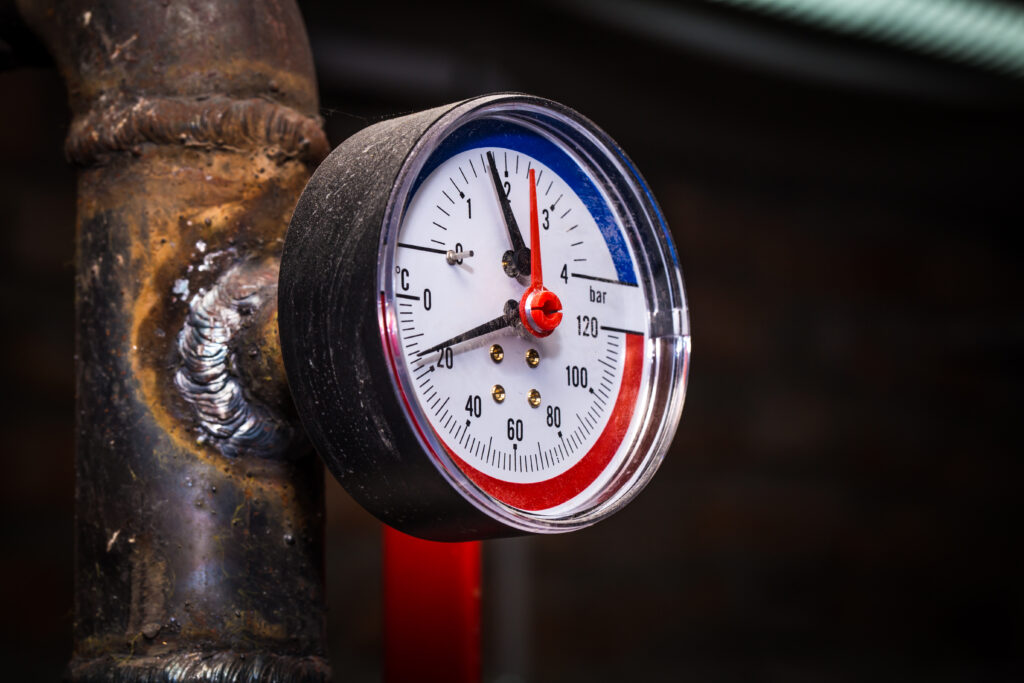
Use a Water Pressure Gauge
Inexpensive and easy to use, water pressure gauges attach directly to outdoor spigots or laundry hookups. Use one to:
- Monitor pressure regularly (ideal range: 50–75 psi).
- Detect gradual changes that may signal developing issues.
- Validate regulator performance.
Upgrade Fixtures and Appliances
Low-flow doesn’t have to mean low performance. Today’s high-efficiency plumbing fixtures are engineered to function optimally at moderate pressures, reducing demand without sacrificing comfort. Consider upgrading:
- Showerheads
- Faucets
- Dishwashers
- Washing machines
These upgrades can also help lower water bills and extend the life of your plumbing system.

Educate Your Household
Make sure everyone in your home understands:
- What pressure-related symptoms to look for.
- How to shut off the water supply in an emergency.
- The importance of not ignoring slow drains, unusual sounds, or damp spots.
Empowering your household helps ensure problems are spotted—and resolved—faster.
Protecting Water Pressure and Peace of Mind
Balanced water pressure isn’t just about convenience. It’s about maximizing the performance of your plumbing system, preserving water in one of the driest regions of the country, and protecting your home from unnecessary damage or inefficiency.
In Arizona, where extreme temperatures, mineral-rich water, and aging construction converge, staying ahead of water pressure issues is a vital part of responsible homeownership. Whether it’s installing a water softener, replacing outdated piping, or upgrading your fixtures, the right steps can make a measurable difference in your daily comfort and long-term investment.
If you’re noticing pressure problems—or simply want to ensure your plumbing system is built for the long haul—Arizona Integrity Plumbing is here to help. As Arizona’s repipe experts, we offer honest diagnostics, high-performance solutions, and results that stand the test of time.
Contact us today to schedule a pressure assessment or repipe consultation—and experience the difference balanced water pressure can make.


 Hi! How can i help you?