


5 Signs You Need a Repipe Specialist, Not Just a Local Plumber
When a drip becomes a flood, many homeowners dial their regular plumber—and wind up paying for temporary fixes that only delay the real problem. In Phoenix’s punishing climate—where hard water, high temperatures, and shifting soils accelerate pipe failure—a general plumber’s patchwork approach often falls short.
If you’re wrestling with recurring leaks or inconsistent water flow, you don’t just need a service call. You need a repipe specialist: a dedicated expert in whole-home repiping who brings advanced diagnostics, code-compliant materials, and precision installation to solve systemic plumbing failures once and for all.
Below are five unmistakable signs that it’s time to call in a repipe specialist, rather than relying on band-aid repairs from your standard plumber.
1. Multiple Leaks Across Unrelated Areas: A Warning of Systemic Failure
When leaks spring up in disparate locations—behind the kitchen sink, under the guest bathroom vanity, and near the laundry room—these aren’t random inconveniences but clear evidence that the underlying piping network is compromised at multiple points.
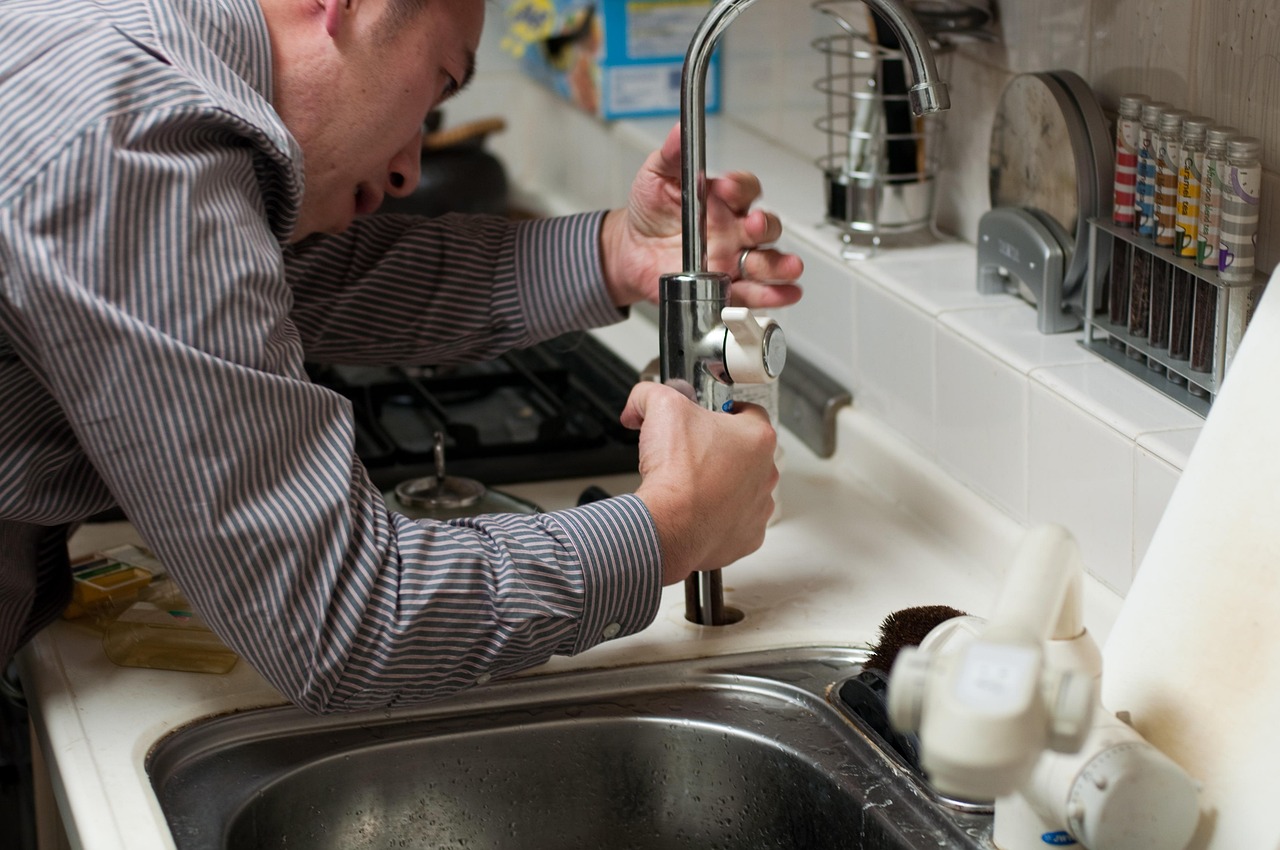
In Phoenix, where mineral-laden water relentlessly corrodes metal pipes and extreme temperature swings stress plastic lines, corrosion and fatigue rarely confine themselves to a single spot. Instead, they erode the entire system from within, creating a cascade of weak joints and microscopic fractures that manifest as leaks in seemingly unrelated areas.
Why a Single Leak Isn’t an Isolated Problem
- Mineral Corrosion Spreads: Hard water deposits calcium and magnesium on pipe interiors. Over years, these scale layers flake off, abrading metal surfaces and accelerating corrosion downstream.
- Thermal Cycling Stress: Daily temperature fluctuations in uninsulated walls and attics cause metal and plastic pipes to expand and contract. This repeated movement works fittings loose and opens hairline cracks.
- Galvanic Reactions: In homes with mixed-metal plumbing, direct contact between copper and galvanized steel or brass fittings can create electrochemical currents that eat away at pipe walls.
How a Repipe Specialist Stops the Leak Torrent
- Systematic Diagnostic Survey:
- Full-Building Thermal Scan: Infrared cameras sweep walls and ceilings, identifying hidden moisture pockets with precision.
- Acoustic Leak Locators: Highly sensitive microphones pinpoint pressurized water escaping through the smallest breaches—even under concrete slabs.
- Segmental Pressure Testing: The specialist divides the home’s plumbing into zones, pressurizes each independently, and measures pressure decay over time to isolate every failing run.
- Holistic Replacement Strategy:
- Phased Repiping Plan: Rather than replace pipes only where leaks appear, the specialist designs a multi-phase repipe that addresses every corroded, undersized, or brittle section in a logical sequence—minimizing disruption and ensuring no weak links remain.
- Premium Piping Selection: Based on water chemistry and line location, the specialist specifies the optimal material—whether high-grade PEX with scale inhibitors or durable, antimicrobial copper—to eliminate recurrence.
- Lifetime Workmanship & Material Warranty: Unlike general warranties that expire after a decade or two, our repiping service comes with a lifetime workmanship guarantee. In addition, the Uponor PEX-a piping we install is backed by a 25-year manufacturer warranty, giving you lasting confidence in both the installation and the materials.
By treating multiple leaks not as isolated events but as symptoms of a deteriorated network, a repipe specialist delivers a permanent solution—transforming a patchwork of failures into a unified, reliable plumbing system.
2. Persistent Low Water Pressure: Beyond Faucet Aerators
When a crystal-clear aerator replacement or a new pressure regulator provides only a momentary boost—only to see pressure fall back to a dribble—you’re witnessing the limitations of spot repairs.
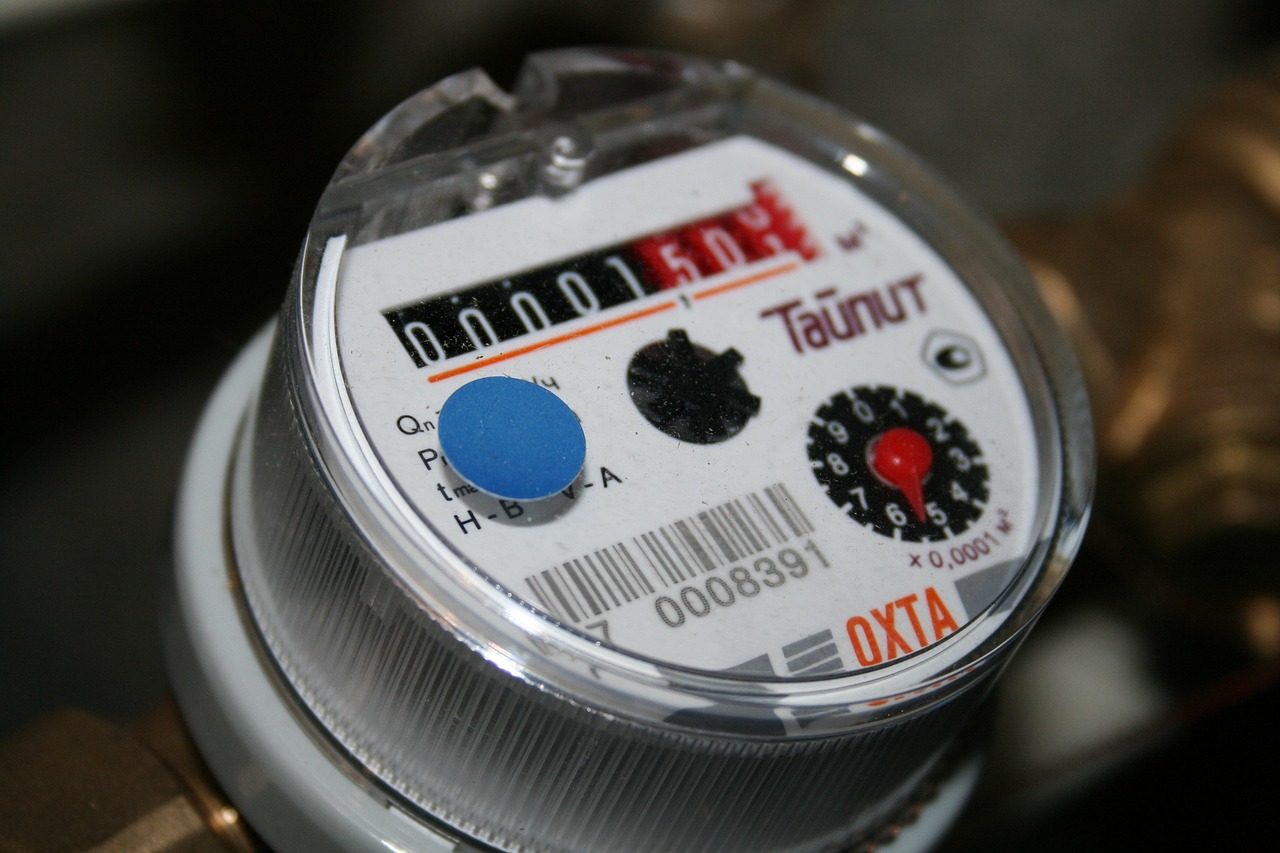
In aging Phoenix homes, narrow, corroded supply lines and fractured plastic runs choke water flow at its source. The result isn’t merely inconvenient showers; it’s a plumbing system that can’t meet modern household demands.
Root Causes of Chronic Low Pressure
- Scale Accumulation: In older galvanized steel or copper, internal mineral buildup can reduce the effective diameter by up to 50%, halving your home’s potential flow rate.
- Pipe Material Fatigue: Polybutylene and early PEX variants can develop internal delamination under high chlorine exposure, creating flow-resistant layers and turbulent eddies.
- Improper Sizing: Many original installations were built for lower-usage fixtures. Today’s high-efficiency showers, multi-head systems, and dishwashers require larger-diameter lines to maintain volume.
Specialist Solutions for Restored Flow Dynamics
- Precision Hydraulic Analysis:
- Fixture-Unit Calculations: Specialists quantify every plumbing fixture’s demand—showers, faucets, appliances—and model peak demand scenarios to determine optimal pipe diameters.
- Computer-Aided Flow Simulations: Using CFD (computational fluid dynamics) software, they simulate water velocity and pressure drop across proposed piping layouts, ensuring real-world performance matches theoretical predictions.
- Advanced Piping Architecture:
- Manifold “Home-Run” Systems: Instead of a single trunk with hundreds of feet of branching line—where each additional tee reduces downstream pressure—specialists install a centralized manifold that delivers a dedicated ¾″ or 1″ feed to each fixture, eliminating cumulative pressure loss.
- Smooth-Bore Material Selection: High-density PEX-A or Type L copper with factory-polished interiors ensure near-frictionless flow, resisting scale adhesion and maintaining volume over time.
- Rigorous Flow Verification:
- Calibrated Flow Meters at Every Outlet: Post-installation, technicians measure gallons-per-minute at each fixture under full municipal supply pressure, creating a performance certificate that demonstrates compliance with industry standards.
- Pressure Zoning Adjustments: If certain areas of the home sit at higher or lower pressures, specialists can install zone-specific pressure regulators or booster pumps—tailoring the system to your home’s unique hydraulic profile.
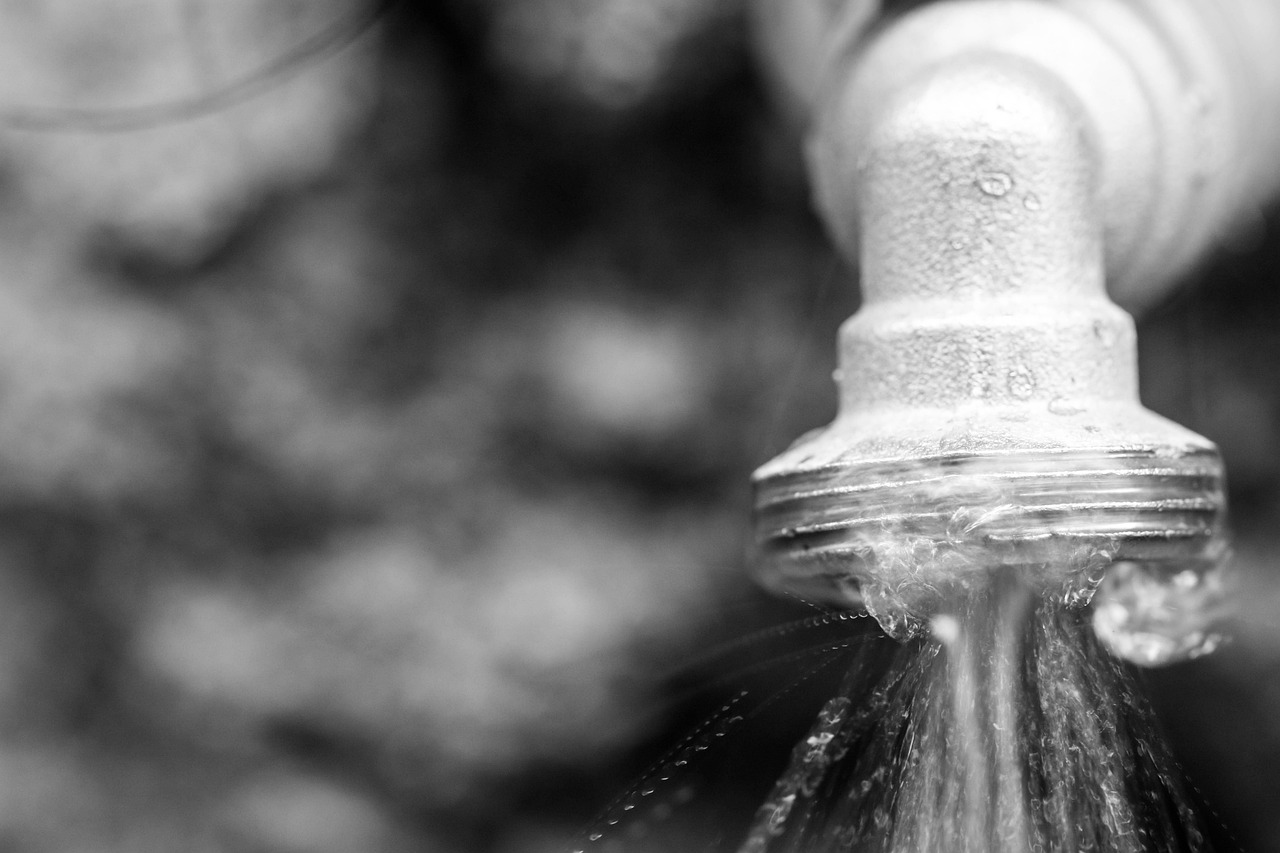
By moving beyond quick tweaks to faucets and regulators, a repipe specialist rebuilds your supply network with the correct geometry, materials, and flow management—delivering consistently high pressure in every shower, sink, and appliance, exactly when you need it.
3. Chronically Discolored or Metallic-Tasting Water
When “Clean” Water Isn’t Really Clean
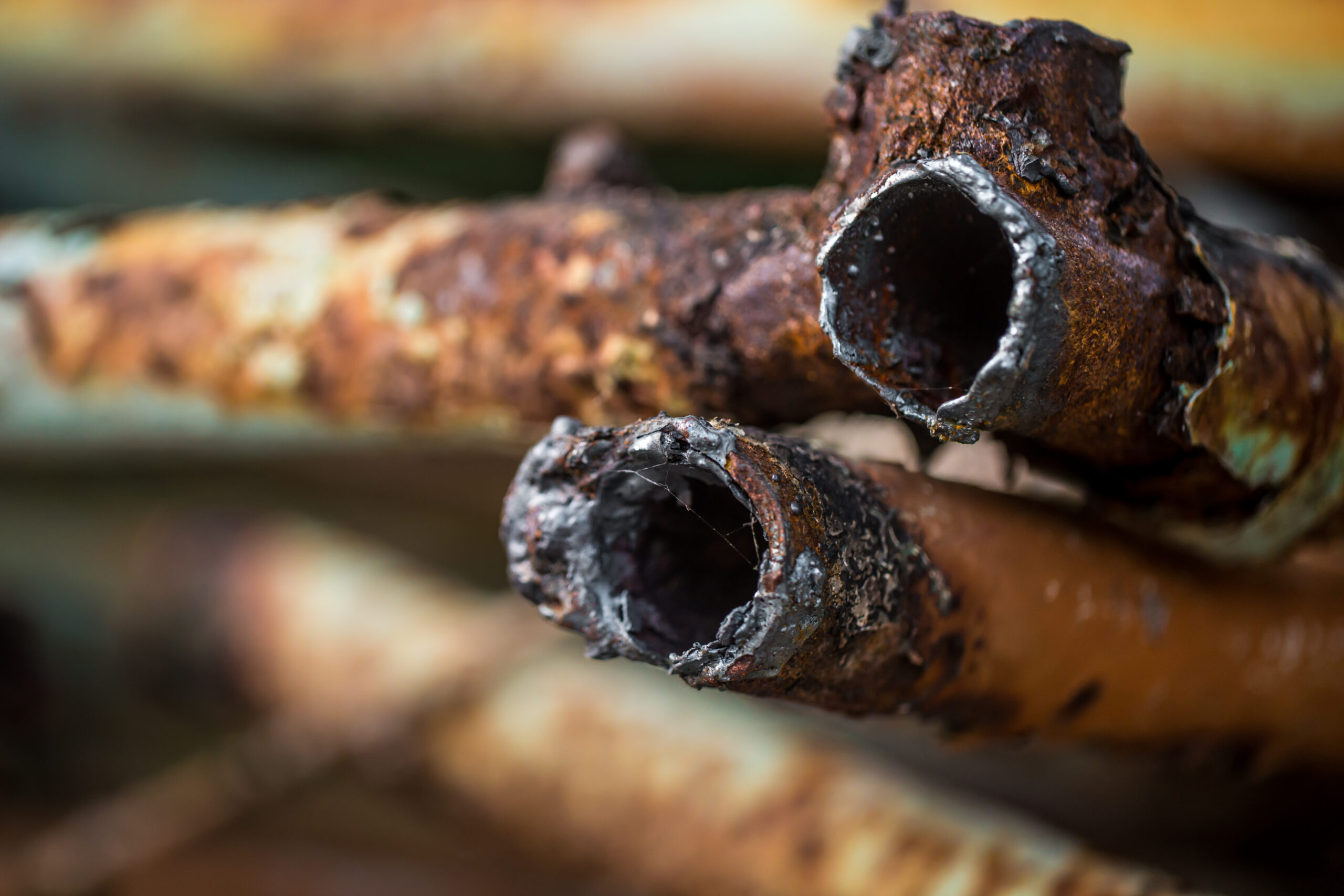
A cloudy glass of water isn’t merely unsightly—it’s a symptom of underlying pipe corrosion or chemical leaching. In Phoenix, where hard water accelerates scale formation and aged copper can develop pitting, discolored or off-tasting water indicates that your plumbing is actively degrading from the inside out. Temporary fixes like faucet filters or in-line cartridges may improve the flavor momentarily, but they do nothing to stop the continuous release of rust particles, mineral sediment, or trace metals into every tap in your home.
Health and Home Risks
- Ingested Contaminants: Chronic exposure to elevated iron, manganese, or copper levels can impart metallic tastes and, in extreme cases, disrupt water treatment processes.
- Fixture & Appliance Damage: Mineral sludge and rust accelerate wear on water-using appliances—dishwashers, ice makers, water heaters—leading to clogs, inefficiencies, and premature failures.
- Staining & Cleaning Hassles: Brown streaks in sinks, bathtubs, and laundry loads are not only unsightly but require repeated scrubbing and specialized cleaners.
The Repipe Specialist’s Total Water-Quality Overhaul
- Comprehensive Mineral Analysis
- Multi-Point Sampling: Technicians collect samples at outdoors, kitchen, and bathroom taps to map variation in hardness, pH, and dissolved solids.
- Lab-Grade Reports: Certified laboratories quantify scale-forming minerals and trace metal concentrations, informing an optimal piping material choice.
- Targeted Material Upgrade
- Scale-Resistant PEX: Specific PEX formulations—backed by NSF/ANSI 61 standards—resist calcium and magnesium adhesion, maintaining smooth interiors for decades.
- Premium Copper Lines: Where antimicrobial performance is essential, high-grade Type L copper delivers a natural barrier against bacterial colonization and mineral corrosion.
- System-Wide Purge & Sterilization
- High-Velocity Flushing: Before installing new piping, specialists use pressurized water jets to scour away residual scale in branch lines and manifolds.
- Sanitary Disinfection Protocols: A controlled chlorination cycle followed by a triple-rinse ensures no bacterial or chemical residues remain once your new system goes live.
- High-Velocity Flushing: Before installing new piping, specialists use pressurized water jets to scour away residual scale in branch lines and manifolds.
4. Homes with Original, Outdated Piping Materials
The 20-Year Rule: When Legacy Materials Fail
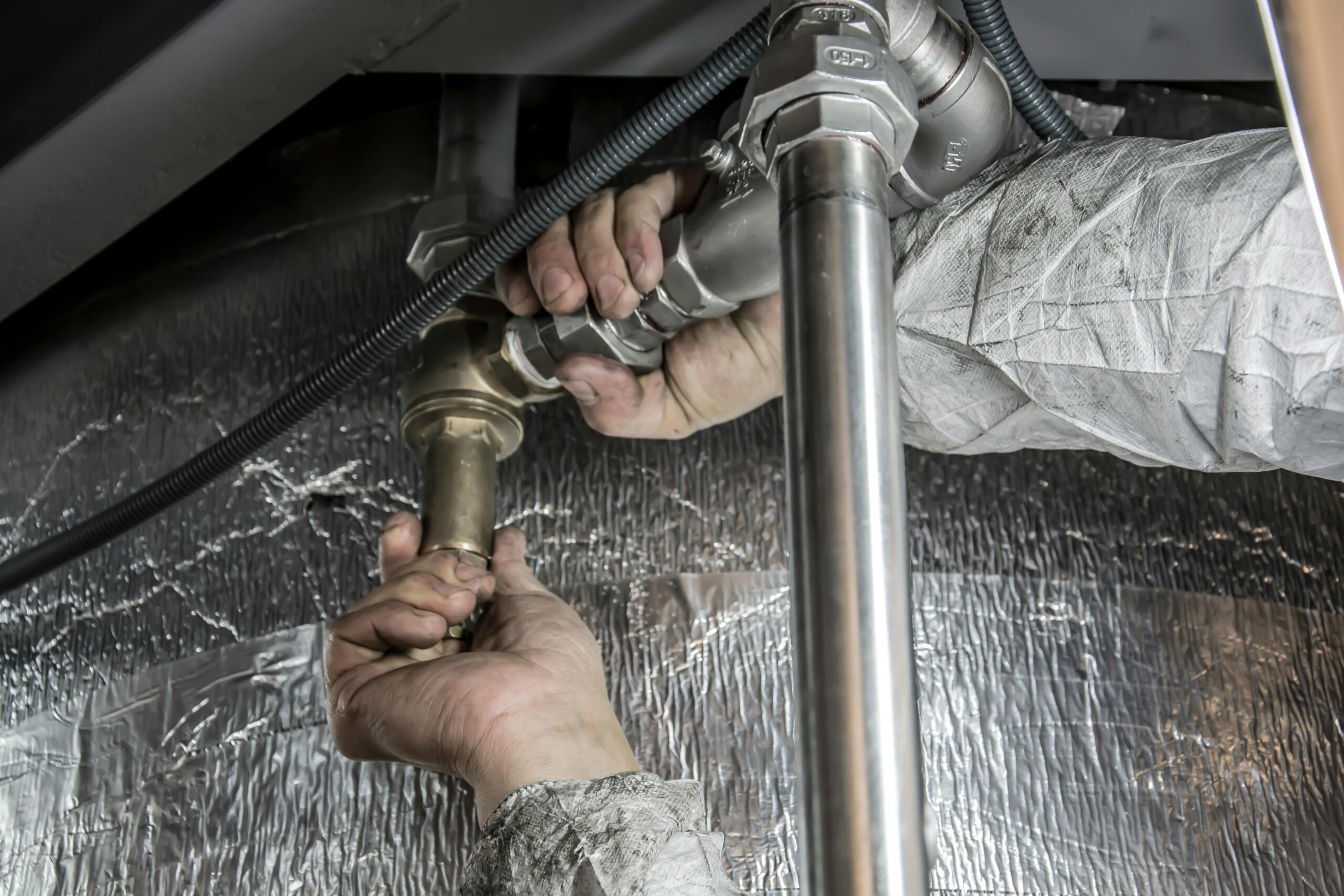
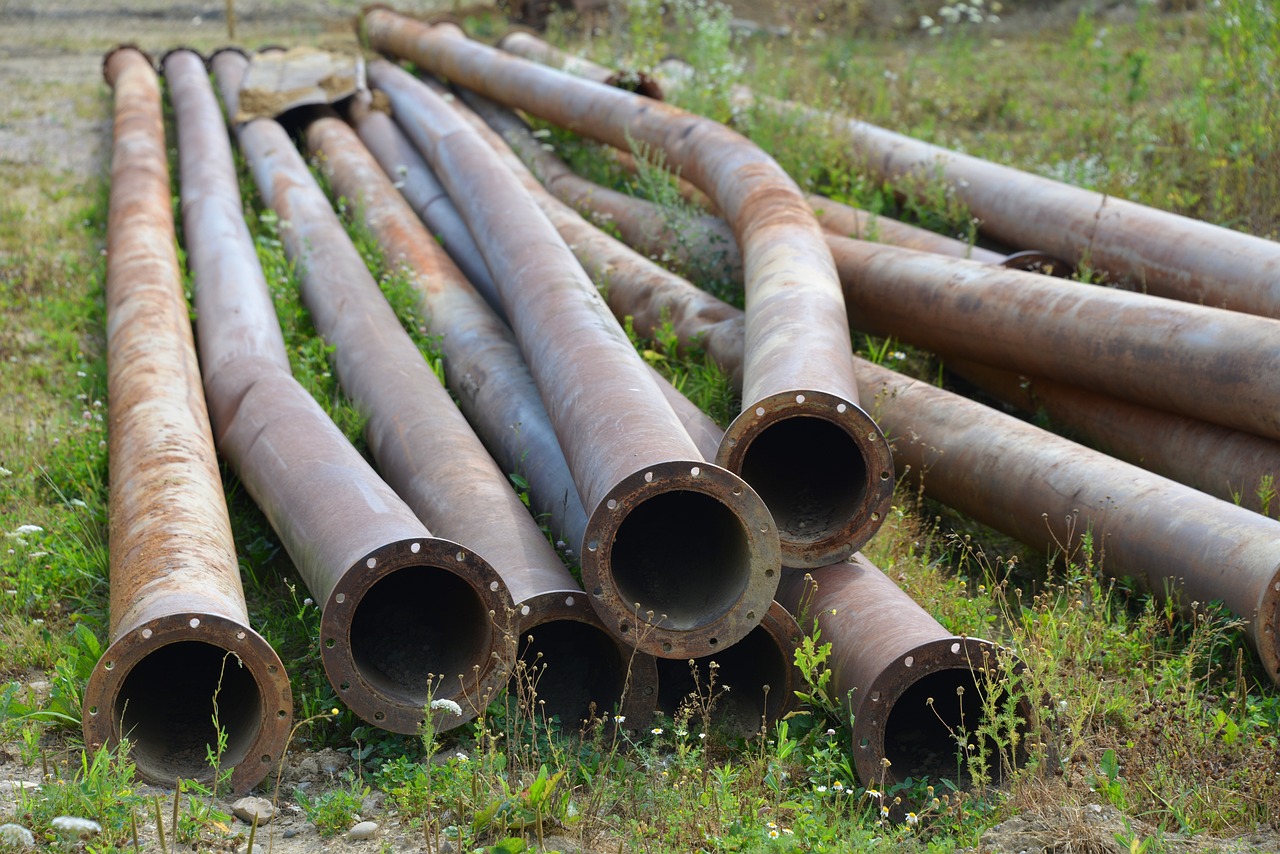
Homes constructed before the mid-1990s often rely on plumbing technologies that have since proven unreliable under Arizona’s unique stressors. Galvanized steel lines corrode internally, polybutylene and Kitec plastic pipes degrade under chlorine exposure, and early MDPE becomes brittle in shallow burial conditions. Left in place, these legacy systems succumb to frequent leaks, pressure loss, and contamination—far outpacing the lifespan of modern materials.
Common Failure Modes
- Internal Rust & Sediment: Galvanized steel builds up iron oxide that flakes off into water and constricts flow.
- Chlorine-Induced Microfractures: Polybutylene and Kitec develop invisible cracks that lead to sudden bursts and flooding.
- UV & Heat Degradation: MDPE exposed to sunlight or fluctuating soil temperatures embrittles, making everyday soil shifts a recipe for splits and leaks.
Why Only a Repipe Specialist Should Overhaul Your System
- Deep Expertise in Mixed-Material Transitions
- Dielectric Unions & Transition Fittings: Specialists meticulously install couplings that prevent galvanic corrosion when joining dissimilar metals.
- Code-Compliant Material Specifications: Every new pipe, valve, and fitting is selected to meet current Maricopa County and City of Phoenix requirements—including burial depths, pipe support intervals, and labeling protocols.
- Precision Access & Dust-Control Methods
- Selective Wall and Ceiling Access: Instead of gutting entire rooms, repipe specialists open minimal panels at strategic junctions—enabling full system replacement with dramatically reduced demolition.
- Containment Systems: HEPA scrubber, and protective drop cloths prevent dust migration, preserving your home’s finishes and indoor air quality.
- Future-Proofing & ROI Enhancement
- Long-Life PEX or Copper Infrastructure: Upgraded lines carry manufacturer warranties of 30–50 years, eliminating guesswork about “when the next leak will strike.”
- Increased Property Valuation: Today’s homebuyers recognize and pay a premium for modern plumbing systems—marketing your property as “fully repiped by certified specialists” distinguishes your listing and accelerates sales.
Tackling outdated piping demands more than basic repair skills—it requires the advanced diagnostics, technical knowledge, and surgical installation techniques that only a certified repipe specialist delivers. Upgrade your home’s legacy network once, and unlock decades of dependable performance and increased home value.
5. You’re Planning a Major Remodel—Don’t Overlook Your Plumbing
The True Cost of Ignored Pipes
Imagine finally installing that dream gourmet kitchen or luxurious spa bathroom—only to discover six months later that a compromised branch line has flooded your new porcelain tile and custom cabinetry. Remodeling budgets often account for high-end countertops, designer fixtures, and professional installation, but forget the 50–100 linear feet of supply and drain piping hidden behind studs and under slabs. When aging or corroded pipes fail, the expense of ripping out freshly finished walls, floors, and millwork can rival or exceed your original remodel investment.
Repiping First: A One-and-Done Strategy
- Seamless Project Coordination
- Integrated Scheduling: Your repipe specialist collaborates with remodel contractors and electricians, timing plumbing demolition and installation to precede finish work—so you never gut the same wall twice.
- Streamlined Permitting: Expert handling of all plumbing permits and inspections prevents permit delays that could stall your cabinetry install or tile work.
- Enhanced Design Flexibility
- Fixture-Specific Shutoff Valves: Installing individual shutoffs at each sink, tub, and appliance means that future fixture updates or repairs won’t require shutting down the entire home’s water supply.
- Service Line Capacity Upgrades: By upsizing your main feed—often from ¾″ to 1″ or larger—you enable high-demand features like pot-fillers, steam showers, and multi-head shower systems without risking pressure drops.
- Single-Pass Restoration
- Precision Access & Repair: Small, targeted cutouts replace large demolition cavities—then drywall, texture, and paint crews restore surfaces to a seamless finish.
- Dust and Debris Containment: Negative-pressure enclosures and HEPA-filtered scrubber protect your new floors, cabinetry, and furniture during repiping, so your remodel team arrives to a spotless workspace.
By integrating a full repipe into your remodel’s critical path, you eliminate hidden risks, preserve your high-end finishes, and ensure your renovated space is built on a plumbing infrastructure engineered for reliability.Transform
Your Remodel into a Lasting Investment—Partner with a Repipe Specialist Today
Don’t gamble on hidden plumbing failures that can ruin your beautiful new finishes and blow your budget. With Arizona Integrity Plumbing’s repipe specialists, you gain:
- Complete Peace of Mind: Every line is replaced, tested, and guaranteed—no more surprise leaks behind your custom tile or cabinetry.
- Seamless Project Integration: We coordinate with your remodel team to deliver a one-pass solution that respects your design schedule and protects your high-end finishes.
- Code-Strict Compliance: From permitting through final inspection, we handle every regulatory detail so you never face fines, rework, or insurance headaches.
- Unmatched Craftsmanship: Our precision access, dust-control protocols, and professional drywall restoration ensure your home looks as impeccable as it performs.
Ready to eliminate plumbing uncertainty and future-proof your investment? Act now to lock in our specialist team for your upcoming remodel:
- Call Us Directly at 480-274-9662 to speak with a repipe consultant and schedule your in-home assessment.
- Book Online through our Contact Page for a guaranteed response.
- Explore Our Expertise on the Repipe Services page to see detailed case studies, materials guides, and long-term warranty information.
Take control of your home’s future—don’t let outdated plumbing compromise your remodel dreams. Reach out today, and let Arizona Integrity Plumbing’s repipe specialists build the reliable, high-performance foundation your renovated space deserves.


 Hi! How can i help you?